Deadly hospital fungus survives antifungal drugs by duplicating its whole genome, study finds
A lab accident led UK researchers to discover that Candida auris, a drug-resistant fungus behind lethal hospital outbreaks, can copy its entire genome to boost its odds of evolving resistance — a strategy the scientists call "bet-hedging."
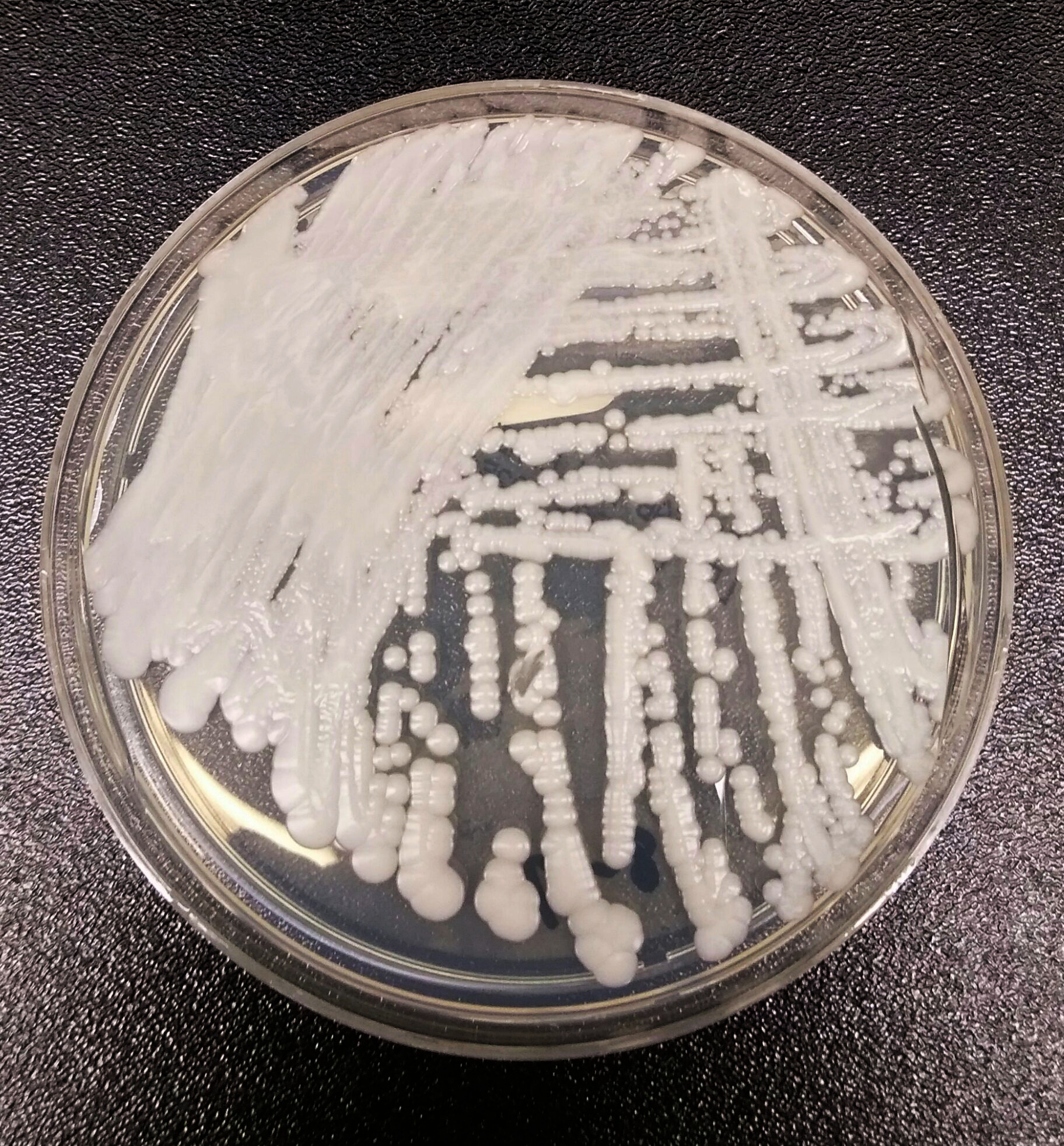
A fungus responsible for some of the deadliest hospital outbreaks of the past decade can dodge lethal doses of antifungal medication by duplicating its entire genome, according to new research published this week in Nature Communications. The discovery, led by scientists at the University of Exeter and City St George's, University of London, describes a previously unrecognized survival trick in Candida auris, a yeast that has spread to more than 60 countries since it was first identified in 2008 and that sits on the World Health Organization's list of fungi posing the greatest threat to human health.
The finding emerged largely by accident. A researcher testing the fungus against high concentrations of antifungal drugs left culture plates incubating longer than the protocol called for. Rather than finding a clean kill, the team returned to see cells that should have died still growing. Follow-up experiments showed those survivors were not resistant in the conventional sense — they had none of the drug-resistance mutations researchers expected to find. Instead, they had made multiple copies of their own genome.
A fungus that hedges its bets
Genome duplication, known as polyploidy, is a known escape strategy in some other fungi and in cancer cells, but researchers say it had not been well documented in C. auris. By copying its full set of chromosomes, the fungus effectively buys itself more genetic material to mutate, increasing the odds that at least some descendant cells will stumble onto a combination of changes that lets them keep growing in the presence of the drug.
Crucially, the surviving cells split into two distinct groups: a slow-growing population and a faster-growing one. The fast growers carried a wide range of mutations clustered in a single gene, nicknamed "Crazy-one" (CRZ1), which is involved in building the fungal cell wall. Antifungal drugs called echinocandins work by targeting the enzymes that assemble that wall, so that affected cells shrivel, rupture or simply fail to grow. In the CRZ1-mutant cells, the cell wall appeared largely unaffected by the drug.
"We call it 'bet-hedging' when a bug uses multiple tactics to increase its chances of developing resistance and evading treatment," said Dr Hugh Gifford, the study's first author, a clinical lecturer at Exeter's MRC Centre for Medical Mycology and a practicing intensive care physician, in the university's announcement of the findings. He noted that the surviving fungus had sidestepped the mutations scientists had been watching for in genes called FKS1 and FKS2, which are the usual suspects behind echinocandin resistance — hence the study's title describing "FKS1/2-variant independent" resistance mechanisms.
A pathogen already on the global watch list
The stakes of understanding C. auris are high. The organism clings to skin and hospital equipment and spreads readily between patients, making outbreaks notoriously hard to contain. If it reaches the bloodstream of a vulnerable patient, the mortality rate is around 45 percent, according to the Exeter team. One UK intensive care unit had to close entirely and undergo a full refurbishment to stop an outbreak, and a separate outbreak was estimated to have cost roughly £1 million to bring under control. The World Health Organization placed C. auris in the "critical priority" tier of its first-ever ranking of dangerous fungi, alongside a handful of other pathogens judged to pose the greatest risk of untreatable infection. In the UK, the UK Health Security Agency continues to track cases under the species' more recently proposed name, Candidozyma auris.
Co-first author Dr Sarah Murphy, a former postdoctoral researcher at City St George's, said the team had set out simply to understand why antifungal drugs were failing against the fungus even though standard laboratory tests indicated it was not resistant. "We were surprised to discover an entirely new mechanism for this fungus to survive — particularly with luck playing a big part of the discovery," she said in the Exeter release, describing how "a tiny population of cells appeared over several days and continued to grow" despite the high drug concentrations used in the experiment.
Why it matters beyond one lab
The result complicates the picture doctors and microbiologists have of how drug resistance develops. Standard susceptibility testing, the kind used in hospital labs to decide which drug to give a patient, looks for known resistance mutations or measures how a fungus grows after a day or two of drug exposure. A bet-hedging strategy built on whole-genome duplication and a slow-growing holdout population could, in principle, let an infection persist underneath the radar of those tests before resurfacing once treatment stops or wanes.
"We now believe that fungal infections are more complicated than previously thought. Multiple populations may exist during infection. New and emerging human fungal infections, like Candida auris, essentially have a Swiss Army Knife of innovation with their own genome, leading to stepwise adaptation and drug resistance," said Professor Tihana Bicanic of City St George's, University of London, the study's senior author.
Bicanic, who studies infectious diseases and mycology, added that the implication is sobering for a field already short on treatment options: "We are sounding the alarm for the need to make better antifungal drugs and urgently address our ability to prevent fungal deaths." Unlike bacteria, fungi are closely related to human cells, which makes it harder to design drugs that kill them without harming patients — one reason only a few classes of antifungal medicines exist worldwide, and why the loss of effectiveness in even one class, like the echinocandins used in this study, is taken seriously by infectious-disease specialists.
What comes next
The Exeter and City St George's groups say they are now testing whether combinations of existing antifungal drugs can close off the escape routes a bet-hedging fungus relies on, work being carried out through the Exeter-led, UKRI-funded Fungi-CARE programme. The team's next experiments will look at whether the genome-duplication strategy shows up in fungal samples taken directly from infected patients, rather than only in the lab, and whether tracking CRZ1 mutations could eventually help clinicians spot cells that are quietly building resistance before a treatment regimen appears to fail outright.
For now, the study adds a new entry to the list of ways C. auris has outmaneuvered modern medicine since its unexplained emergence less than two decades ago — and a reminder, the authors say, that the fungus's playbook may still hold surprises.

China's Chang'e-6 moon rocks suggest a new explanation for the lunar far side's thick crust

NASA Telescopes Trace a Ghostly Radio 'Treble Clef' to a Galaxy-Cluster Collision Hidden Behind the Milky Way
