Meta Closes Another Loophole in Its Smart Glasses' Privacy Light
A software update stops Ray-Ban Meta and Oakley Meta glasses from recording once the capture LED is covered mid-shot, the company's third fix this year to a feature central to its "designed for privacy" marketing and to a pending class-action lawsuit.

Meta has begun rolling out a software update to its Ray-Ban Meta, Oakley Meta and Meta AI glasses that cuts off video recording the instant a wearer covers the device's blinking "capture LED," closing a loophole that let people start a recording in plain sight and then obscure the light to keep filming undetected. The change, announced Thursday by Alex Himel, Meta's vice president of augmented reality, on Threads, is the company's third public fix this year to an indicator light that sits at the center of its marketing claim that the glasses are "designed for privacy."
Until now, the capture LED — a small white light near the camera lens that blinks while a photo or video is being captured — blocked a recording only from starting if it was already covered. Wearers who wanted to film without the tell-tale blink simply pressed record first and covered the light afterward. "The camera won't start recording if the LED is blocked, but some people try to bypass this by starting a recording and then covering it up," Himel wrote, adding that "the camera will now stop working if the light is covered during a recording." Meta's official description of the feature says the light is "designed solely to let others know you are capturing content" and that covering, tampering with or destroying it will "automatically disable the camera."
The Numbers
The glasses are no longer a niche product. EssilorLuxottica, the eyewear giant that manufactures the devices in partnership with Meta, reported in its fourth-quarter and full-year 2025 results that AI-glasses unit sales — combining Ray-Ban Meta and Oakley Meta — topped 7 million for the year, more than triple the roughly 2 million sold across 2023 and 2024 combined since the line launched in September 2023. Industry trackers put cumulative sales at approximately 9 million units by early 2026, and EssilorLuxottica has said it is expanding manufacturing capacity to keep pace with demand. Separately, a class-action complaint against Meta over the glasses' privacy claims has grown since it was filed in March with two named plaintiffs to nineteen plaintiffs spanning proposed subclasses in sixteen states, according to court filings tracked by legal databases.
How a Blinking Light Became a Liability
Meta built its case for the glasses around the capture LED from the start: a visible, always-on signal meant to reassure bystanders they could tell when a camera nearby was recording, without a screen, viewfinder or other obvious tell that separates smart glasses from a normal pair of Ray-Bans. The company leaned on that promise even as the devices gained more AI features and a livestreaming mode.
The gap between that promise and the light's actual behavior showed up almost immediately. Within a year of the glasses' 2023 launch, Harvard students built a tool nicknamed I-XRAY that paired the glasses' camera with facial-recognition software and public databases to surface a stranger's name, address and other personal details in about a minute — without the light ever indicating anything unusual, since the demonstration relied on ordinary photo capture rather than a bypass. Separately, tutorials showing how to defeat the LED itself began circulating online, including with tape or opaque covers, and small businesses emerged selling modification kits and drilled-out replacement hardware. Meta's first major countermeasure, rolled out in July, disabled the camera on any glasses where the LED had been physically damaged or removed, reaching retroactively into units that had already been modified.
The stakes rose further in March, when Clarkson Law Firm filed a proposed class action, Bartone et al. v. Meta Platforms, Inc., in the U.S. District Court for the Northern District of California, alleging that Meta and its manufacturing partner Luxottica of America misled buyers with the "designed for privacy, controlled by you" slogan. The suit followed reporting that contractors for Sama, a Kenya-based outsourcing firm, had reviewed glasses-captured video used to train Meta's AI systems that included footage from inside users' homes. Around the same time, TechCrunch reported that some of that footage included nudity and sexual activity. The episode, and the broader wave of covert-recording complaints, has also drawn attention abroad: regulators in France, Germany and the Netherlands have weighed restrictions on the glasses, and two U.S. senators have separately pressed Meta over facial-recognition ambitions for future versions.
Reaction, and an Unresolved Tension
Digital-rights advocates have welcomed the tightened LED behavior while arguing it does not resolve the underlying problem: a light that only the recording device's wearer, not the person being filmed, is positioned to notice. The Electronic Frontier Foundation, writing about the glasses earlier this year, argued that bystanders caught on someone else's recording have little recourse and pressed Meta to build in more automatic protections.
"If you find yourself caught on someone's camera, there's not much you can do in recourse. If you do notice a stranger recording you, it's up to you to intervene and ask not to be included in that footage, which can easily turn awkward or confrontational."
The update also lands awkwardly alongside Meta's own product roadmap. Prototype glasses described to the Financial Times in July and code-named internally for eventual release in late 2026 or 2027 are reportedly being designed for "super sensing" — continuous audio capture paired with still images taken every few seconds to feed an AI assistant — without lighting the capture LED at all while that mode is active. Coverage of the prototypes, first detailed by VR.org, noted the contrast between Meta publicly defending the current indicator light through firmware updates and legal filings while quietly developing a successor designed to operate without one.
People most directly affected by Thursday's change fall into two groups: the glasses' roughly 9 million owners, whose devices will receive the update automatically and will no longer be able to record surreptitiously by covering the light mid-shot, and the sellers of tampering kits and covers, whom Meta says it will continue to purge from its Marketplace and ad platforms, alongside threats of legal action against businesses that market the mods. Bystanders — the group the LED is meant to protect — are affected only indirectly, gaining a marginally more reliable warning signal but no new legal right to consent or object.
What Happens Next
Meta says the update is rolling out now across its glasses lineup and that further firmware changes addressing the indicator are likely; Himel wrote that the company will "keep rolling out updates like this" to keep the light reliable. The company has also begun a public-education push, including a billboard in Los Angeles explaining what the light means, with plans for similar messaging in other markets where the glasses sell well. The Bartone litigation continues in San Francisco, where plaintiffs are pursuing claims under state consumer-protection laws, and European regulators are still weighing whether the devices comply with data-protection rules. Neither track is likely to resolve quickly, and neither addresses what happens if Meta ships a future pair of glasses that, unlike the ones getting today's fix, was never designed to blink in the first place.

TSMC posts record third-quarter profit, raises outlook as AI chip demand outstrips supply
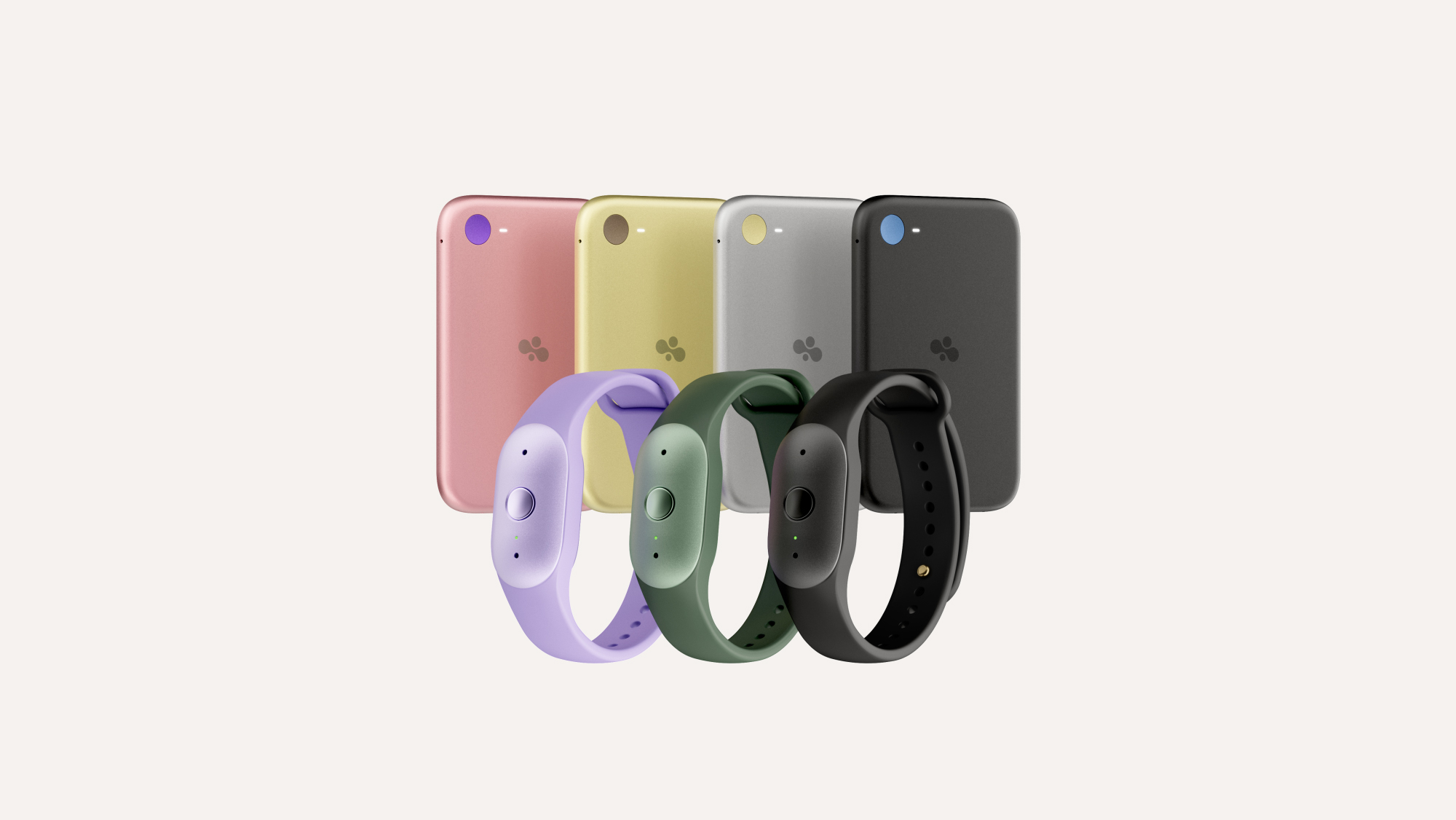
Amazon's Bee unveils two AI wearables that turn conversations into to-do lists

Flock Safety's CEO Defends Surveillance Cameras — and Contradicts His Own Website — at TechCrunch Disrupt
