Bay Shore deli-food plant recalls its entire product line after third Listeria find in a year
Made Fresh Salads Inc. halted production and pulled all 68 of its ready-to-eat deli salads and cream cheese products from New York City shelves after FDA inspectors found Listeria monocytogenes in its Bay Shore, N.Y., plant for the third time since October.
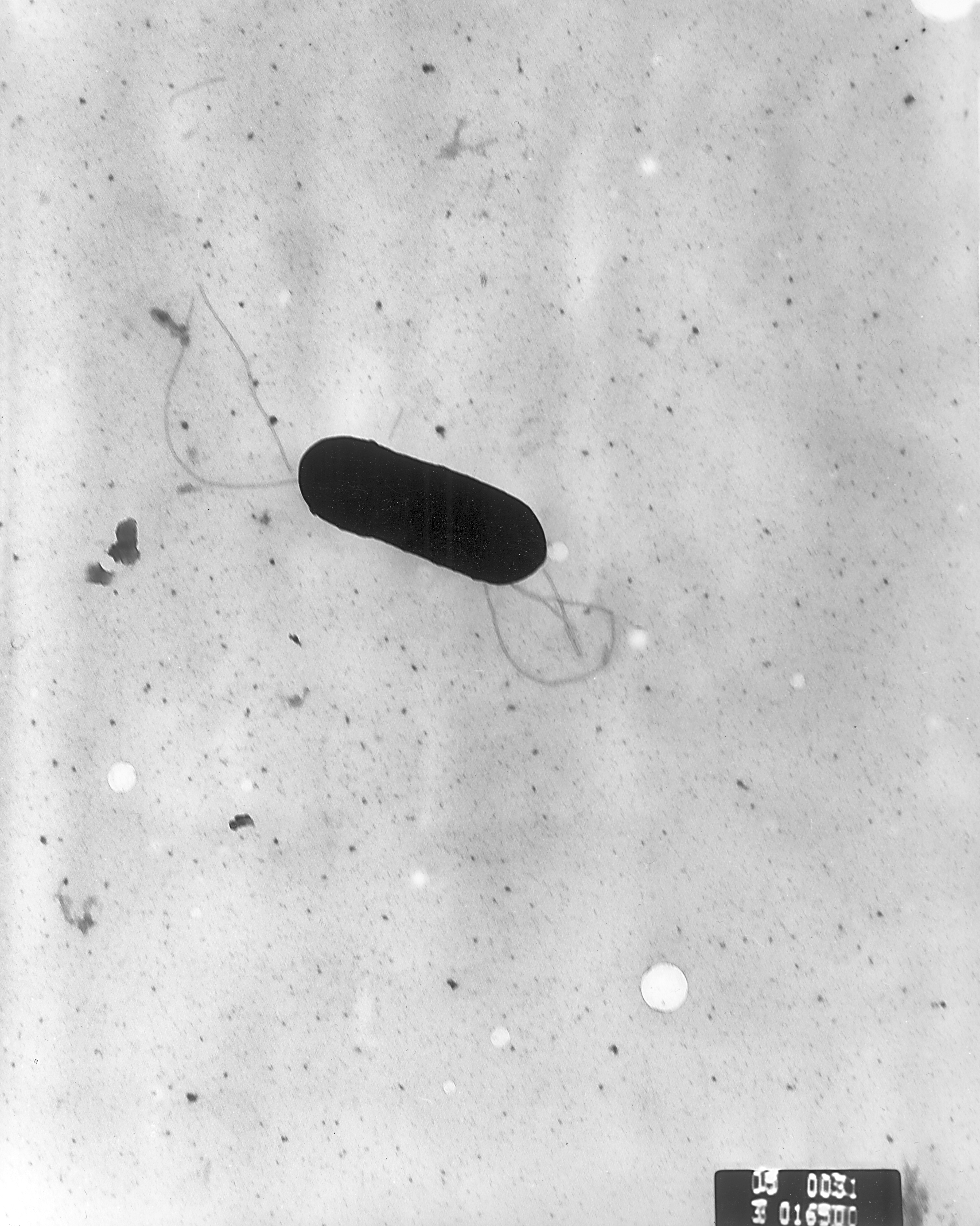
A Long Island food manufacturer has recalled every ready-to-eat deli salad and every tub of cream cheese it makes after federal inspectors found Listeria monocytogenes inside its production plant for the third time in less than a year. The recall, announced by Made Fresh Salads Inc. and the Food and Drug Administration, covers 68 separate products sold under the Made Fresh Salads and Northside labels and halts all production and shipping out of the company's Bay Shore, N.Y., facility until investigators can identify where the contamination is coming from.
The affected goods, which include potato salad, coleslaw, macaroni salad, seafood salads, puddings, potato croquettes, crab cakes and two dozen flavors of cream cheese and spread, were sent by direct delivery to retail stores and distributors in Brooklyn, Queens, the Bronx and elsewhere in New York City. Products carrying expiration dates from Sept. 3 through Sept. 18 are covered by the recall. No illnesses had been linked to the recalled food as of this week, but the FDA has classified it as a Class I recall, the agency's highest-risk designation, reserved for situations in which there is a reasonable probability that using the product will cause serious harm or death.
A third strike at one plant
What sets this recall apart from the routine churn of food-safety notices is the address behind it. This is the third time in eleven months that Made Fresh Salads has recalled products because of Listeria contamination traced to the same building. The company's first recall, reported by Food Safety News after New York State Department of Agriculture and Markets inspectors sampled store shelves, covered all lots of LoBoy- and Made Fresh Salad-brand macaroni salad and tuna deluxe salad, distributed statewide, beginning Oct. 15, 2025. In February, the company recalled 14 flavors of cream cheese and tofu spread after its own routine testing found Listeria on a piece of mixing equipment, which the company removed from service. Both earlier recalls were also classified Class I. This week's recall expands the scope to the plant's entire product line.
"When Listeria keeps reappearing in the same building, the usual explanation is not a run of bad luck. It is a resident strain living in a harborage site," wrote Bill Marler, a Seattle-based food-safety attorney who has tracked the plant's recall history on his Food Poison Journal, pointing to floor drains, hollow equipment legs, cracked gaskets and wet seams in cooler panels as typical hiding places for the bacteria.
A pathogen built to hide
Listeria monocytogenes is unusual among foodborne bacteria in that it multiplies at refrigerator temperatures and produces no detectable change in a food's smell, taste or appearance, so contaminated products can look and smell completely normal. Symptoms in an otherwise healthy adult — fever, muscle aches, nausea and diarrhea — typically resemble a bad flu, and cases can take weeks to surface, making it difficult for patients and doctors to connect an illness back to a specific meal. The CDC's clinical guidance on listeriosis estimates roughly 1,250 infections and about 172 deaths nationally in an average year, a case-fatality rate near 20 percent that is far higher than Salmonella or E. coli, concentrated among pregnant women, newborns, adults over 65 and people with weakened immune systems. Infection during pregnancy can cause miscarriage, stillbirth or life-threatening illness in a newborn.
The recurrence at one plant lands amid heightened public attention to Listeria in prepared foods generally. In 2024, contaminated liverwurst from a Boar's Head plant in Virginia, regulated separately by the U.S. Department of Agriculture, triggered a recall of more than 7 million pounds of deli meat after inspectors had logged dozens of sanitation violations at that facility; ten people died and dozens more were hospitalized nationwide before that outbreak ended. Made Fresh Salads' products fall under FDA rather than USDA oversight because they contain no meat regulated by the federal poultry and meat inspection laws, but the underlying vulnerability is the same: prepared, ready-to-eat foods that require no further cooking give Listeria no final kill step to eliminate any bacteria that slipped past sanitation controls earlier in production.
Hard to trace once it leaves the plant
The recall's practical difficulty is compounded by how the food reaches customers. Much of what Made Fresh Salads ships arrives at delis and grocery stores in bulk five-pound and 30-pound tubs or half-size aluminum pans, then gets repackaged behind the counter into deli containers, often without the original manufacturer's label or lot code. That leaves shoppers across three boroughs with little way to know, after the fact, whether the potato salad or cream cheese spread they bought at a neighborhood deli came from the recalled batches. The FDA's notice advises anyone who bought ready-to-eat deli salads or cream cheese products in New York City with the affected date range printed anywhere on the packaging, regardless of the retail label, to throw the food away or return it to the store rather than risk eating it.
What happens next
Made Fresh Salads said it has stopped production and distribution of all recalled items while it and the FDA continue investigating the source of contamination inside the plant; the company is directing customer questions to a phone line it has set up for the recall. Neither the company nor the FDA has said when, or under what conditions, production might resume. The repeated findings raise an obvious question for regulators and for the company's retail customers: whether the corrective steps taken after the October and February recalls — which addressed a specific product line and a specific piece of equipment — actually reached whatever source is reintroducing the bacteria into the building. Federal inspectors typically require that an identified source of contamination be eliminated and verified through follow-up environmental testing before a recalled food plant resumes normal operations, a step that in this case will need to succeed a third time.
FDA — Made Fresh Salads, Inc. Recalls Ready to Eat Deli Style Salads and Cream Cheese
FDA — Made Fresh Salads, Inc. Recalls Assorted Flavors of Cream Cheese (February 2026)
CDC — Clinical Overview of Listeriosis
Food Safety News — Tuna and macaroni salads recalled because of contamination with Listeria

Lil Durk acquitted of all charges in murder-for-hire trial

Wind-driven wildfire near Lake-Mendocino county line reaches 3,500 acres, 15 percent contained

CDC declares record cyclospora outbreak tied to Taylor Farms lettuce officially over
