CDC tracks four separate outbreaks tied to sprouts, raw-milk cheese and pet turtles
Federal health officials are investigating four unconnected multistate outbreaks at once, with recalls issued for contaminated sprouts and cheese while a fourth inquiry traces Salmonella infections to pet turtles sold in violation of a decades-old federal ban.
The Centers for Disease Control and Prevention is running four separate multistate outbreak investigations at the same time, an unusually crowded caseload that has triggered recalls of two sprout products and a raw-milk cheese line while a fourth inquiry traces illness to pet turtles sold illegally across a dozen states. None of the outbreaks is connected to the others, according to the agency, but together they have sickened more than 140 people since the summer, sent 22 to the hospital and left three children with a severe kidney complication.
The clearest common thread is not a shared supply chain but a shared vulnerability: each outbreak disproportionately strikes young children, the group most likely to be hospitalized or to develop lasting complications from the pathogens involved.
The numbers
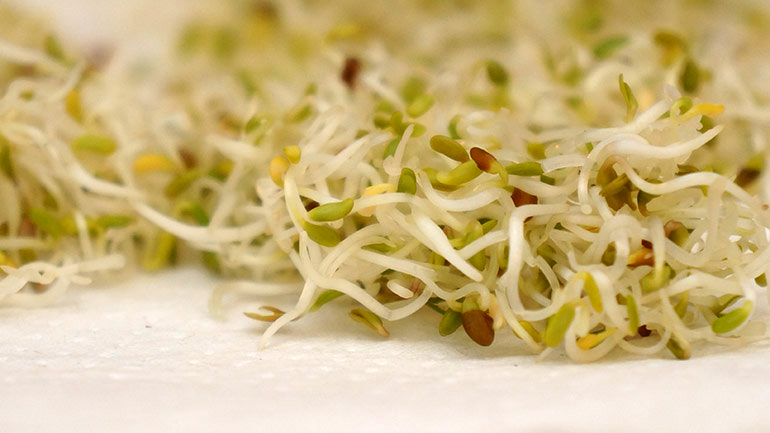
The largest of the four is an outbreak linked to alfalfa sprouts contaminated with both E. coli and Salmonella, which has grown to 76 confirmed cases across 16 states as of the CDC's most recent update, including six hospitalizations and three people infected with both pathogens. A second, unrelated cluster tied to broccoli sprouts grown in Idaho has reached 32 cases in six states, with three hospitalizations. A third investigation into raw-milk cheese contaminated with a severe E. coli strain has counted just 13 illnesses in nine states, but eight of those patients were hospitalized and three developed hemolytic uremic syndrome, a complication that can cause kidney failure. The fourth, a Salmonella outbreak traced to pet turtles with shells smaller than four inches, has reached 20 cases in 12 states and five hospitalizations. No deaths have been reported in any of the four investigations.
"Over half of the sick people in this outbreak are children 5 years old and younger."
That line, posted on the CDC's raw-milk cheese outbreak page, could describe any of the three foodborne clusters: in the broccoli sprout and alfalfa sprout outbreaks alike, young children and older adults make up a disproportionate share of hospitalized patients, a pattern public health officials say reflects weaker immune defenses against Shiga toxin-producing bacteria.
How the outbreaks emerged
The alfalfa sprout outbreak began when Everything Sprouts LLC, a Minnesota-based grower, distributed contaminated product between late May and late August to wholesalers and grocery stores. The company issued a recall of Everything Sprouts and Calco-brand alfalfa sprouts on Aug. 22, then widened it less than a week later to cover a radish sprout mix made on shared equipment. Food and Drug Administration investigators eventually traced the contamination to a specific seed lot, prompting two separate seed suppliers to issue their own recalls — a reminder that sprout outbreaks frequently originate at the seed stage, long before any grower touches the product.
The broccoli sprout outbreak has a nearly identical shape but a different source. Evergreen Fresh Sprouts LLC of Moyie Springs, Idaho, halted production on Sept. 4 after a third-party lab and Montana state testing both found the outbreak strain of Salmonella in product nearing its use-by date, and the company filed a formal recall notice with the FDA days later. According to Food Safety News, it is the third Salmonella outbreak tied to the same grower since 2011, and FDA inspection records cited in that report show a 2024 inspection that ended with a finding of "voluntary action indicated," a classification one step short of a formal enforcement action.
The raw-milk cheese outbreak points to Sierra Nevada Cheese Company's Graziers line of grass-fed, unpasteurized cheddar, jalapeño jack and Monterey jack, recalled in cheese-counter packages as well as five-pound wholesale loaves. Unlike the sprout outbreaks, this one is a reminder that unpasteurized dairy remains legal to sell in most states despite carrying a materially higher risk of E. coli and Listeria contamination than pasteurized milk products, a risk regulators have flagged for decades.
The turtle-linked outbreak traces to a different, older problem entirely. Federal law has banned the sale of turtles with shells shorter than four inches as pets since 1975, precisely because smaller turtles carry Salmonella at higher rates and are more often mouthed or kissed by small children. The CDC's outbreak notice makes clear the ban has not stopped the trade: the agency says such turtles are still sold "illegally online, in stores, and at flea markets and roadside stands."
Who is affected, and what comes next
Each investigation remains open, meaning case counts are likely to rise again before they fall. The CDC and FDA are continuing interviews with sick patients to confirm exposures, and the sprout and cheese recalls remain in effect; consumers who still have any of the recalled products are being told not to eat them and to either discard them or return them for a refund, then wash any surfaces or containers the items touched. Businesses that received any of the recalled lots are instructed not to sell or serve them.
Households with pet turtles face a different set of instructions: wash hands thoroughly after handling a turtle or cleaning its tank, keep the animals and their supplies away from kitchens and areas where food is prepared, and avoid letting children under five, people 65 and older, or anyone with a weakened immune system handle the animals at all. The agency is also urging anyone who bought an undersized turtle to stop, since the federal size ban exists specifically to reduce this kind of illness.
For now, federal officials have been careful to stress that the four outbreaks are not connected and do not point to any single breakdown in the food system. But the overlap, four open investigations running in parallel across sprouts, dairy and the pet trade, illustrates how often outbreaks of this kind now originate far upstream of a dinner table or a living room terrarium, in seed lots, raw milk vats and black-market animal sales that consumers have no way of inspecting themselves. Anyone who ate a recalled product or handled a small pet turtle and later developed bloody diarrhea, a fever above 102 degrees, or diarrhea lasting more than two days is being urged to contact a health care provider promptly.
Nine Fired FBI Agents Sue Patel Over Purge Tied to Trump Documents Case
Man Found in Barrel at Lake Mead in 2022 Identified as Arkansas Native Shot Decades Ago

Teen gunman kills three children and a teacher at Oregon elementary school
