Massachusetts Report Finds Catholic Clergy Abused 944 Children Across Three Dioceses
A six-year investigation into the Worcester, Springfield and Fall River dioceses found decades of cover-ups but produced no new criminal charges, as the attorney general renews a push to abolish the state's civil statute of limitations for child sex abuse claims.
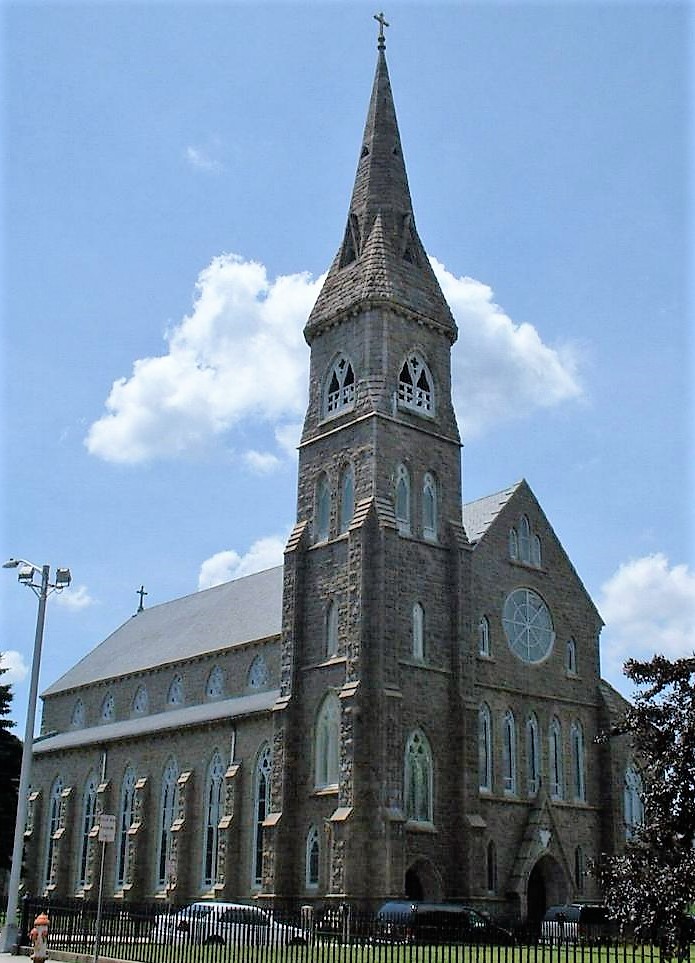
Massachusetts Attorney General Andrea Campbell released a 203-page report Wednesday documenting the sexual abuse of 944 children by more than 270 Catholic clergy members across three Massachusetts dioceses over roughly 70 years, closing out a criminal investigation that produced no new indictments and that survivors had waited years to see made public.
The report covers the Roman Catholic dioceses of Worcester, Springfield and Fall River — the three Massachusetts dioceses, outside the Archdiocese of Boston, that had never before been the subject of a government inquiry into clergy abuse. It describes a decades-long pattern in which diocesan leaders moved accused priests between parishes without disclosing why, returned offending clergy to ministry after treatment with little supervision, and in many cases failed to report allegations to law enforcement.
A decades-long pattern of failure
According to figures in the report's findings, the abuse was spread unevenly across the three dioceses. The Diocese of Worcester accounted for 216 known survivors, the Diocese of Springfield for 259, and the Diocese of Fall River — the largest total — for 469. Each diocese had roughly 90 clergy members accused of abusing children, the report found, though Campbell said the true number of victims and perpetrators is likely higher because of missing records and survivors who have not come forward.
The investigation began in 2019 as a criminal inquiry under then-Attorney General Maura Healey, who is now the state's governor. It relied in part on grand jury material, which required court approval before the findings could be made public, contributing to years of delay that frustrated survivors and advocacy groups who had been interviewed by investigators as far back as 2021. The Massachusetts attorney general's office had declined for years to say who had objected to the report's release.
Campbell's office referred three cases to local district attorneys in Worcester, Hampden and Bristol counties. Only the Worcester County case resulted in criminal charges; prosecutors in the other two counties declined to pursue theirs. Campbell said much of the conduct documented in the report either was not a crime under Massachusetts law at the time it occurred, or fell outside the statute of limitations, or involved survivors who have since died.
Survivors speak, bishops respond
The report includes firsthand accounts from survivors describing lasting psychological harm, including broken trust, addiction and suicidal thoughts. One survivor's statement, quoted in the report, described the aftermath of abuse by a priest:
"[The priest] destroyed my understanding of and trust in a God who loved and protected me. I was plunged into a darkness I could never have imagined."
"Behind every one of those numbers is a child whose safety was violated, a family that was changed forever, and a survivor who carried the trauma of that abuse for years and, in many cases, decades," Campbell said at a press conference Wednesday. "They continue to carry this trauma even today." She added that the report provides "a full public accounting of the abuse, the misconduct, and the institutional failures at these three dioceses that allowed that abuse to happen, and in some cases allowed it to continue for years."
Campbell also disclosed that she herself is a survivor of childhood sexual abuse — by a relative, she said, not by clergy — and said sharing that was consistent with her faith.
Bishop Edgar M. da Cunha of the Diocese of Fall River wrote in a statement that he was "filled with sorrow" over the report's findings. "To all survivors of child sexual abuse, I am deeply sorry," he wrote. "We as a Church failed you when you were most vulnerable." Bishop William D. Byrne of the Diocese of Springfield called the report "a humbling reminder" of the need for continued vigilance, writing that "as a bishop and as an uncle, it is heartbreaking and reprehensible to think that any child would ever be harmed by someone who is supposed to protect them."
The Diocese of Worcester, which the report singled out for not publishing a list of credibly accused clergy — something the other two dioceses and the Archdiocese of Boston have done — defended its position. Diocese spokesperson Ray Delisle said publishing such lists has "no other precedent... in society" and can brand as guilty priests who were never charged or given a chance to defend themselves, noting that decades had often passed between the alleged abuse and its reporting. Delisle said the diocese nonetheless welcomes the findings and "will study the AG's report to identify any additional improvements that can be made."
A push to change the law
Massachusetts law currently allows survivors of child sexual abuse to sue within 35 years of the abuse, or within seven years of recognizing that the abuse caused them harm — with the clock starting at age 18, effectively capping most claims at age 53. Campbell used Wednesday's announcement to renew a call for lawmakers to eliminate that statute of limitations entirely for civil child sexual abuse claims, as well as to lift the $20,000 cap on damages that charitable organizations, including churches, can be forced to pay in such cases.
Bills to do both have stalled on Beacon Hill in previous sessions. State Representative John J. Lawn Jr., who has spoken publicly about having survived child sexual abuse himself, has again introduced legislation that would eliminate the civil statute of limitations for such cases. More than a dozen states, including neighboring Maine, New Hampshire and Vermont, have already abolished theirs.
Attorney Mitchell Garabedian, who has represented many survivors of clergy abuse in Massachusetts, said in a statement that the moment to change the law is "here and now," adding that doing so would let "many survivors ... have the opportunity to seek justice, have a voice, and obtain validation."
Wednesday's report is only the second government accounting of clergy sexual abuse in Massachusetts history. The first, a 2003 investigation by then-Attorney General Thomas Reilly, examined the Archdiocese of Boston and found that at least 789 children had been abused by 237 priests and 13 other church employees since 1940 — a scandal that, following a State House News Service account of Wednesday's press conference, Campbell's office noted had never been extended to the state's other three dioceses until now.
For now, no additional criminal charges are expected to result from the investigation. Campbell framed the report instead as a foundation for policy change, telling reporters that the Commonwealth's response to it was "our responsibility as leaders who hold the power" to ensure, in her words, that no child is ever abused again. Advocates said they would press lawmakers to act on the statute-of-limitations bill before the current legislative session ends, while survivors in all three dioceses said they hoped the report's public release, after years of delay, would at least validate what they had told investigators years ago.

Becerra and Hilton clash over Trump, taxes and immigration in lone California governor debate

Treasury Begins Mailing $500 ACA Refund Checks to Nearly 1 Million Americans

Flash floods push New Mexico dam to the brink of failure, forcing evacuations
