Third Pennsylvania measles death reported as CDC and state clash over national tally
A 40-year-old unvaccinated woman in Jefferson County has died of measles complications, the third such death in Pennsylvania this year, as the state's outbreak deepens the nation's worst measles year since 1991 and fuels a dispute with federal health officials over how deaths are counted.
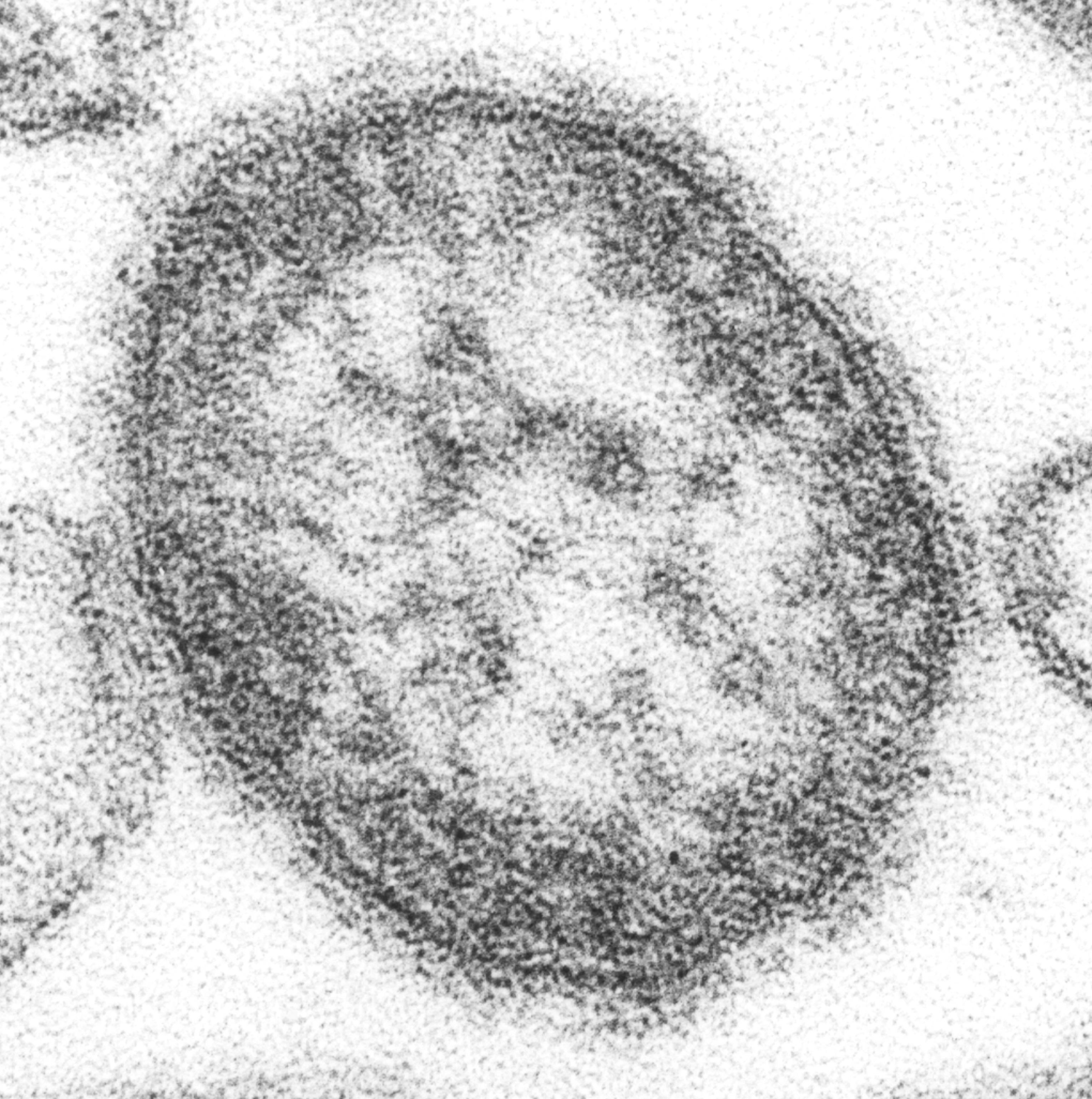
A 40-year-old woman in Jefferson County, Pennsylvania, has died of complications linked to measles, county officials said this week, becoming the third person to die in the state's measles outbreak this year and intensifying a public dispute between Pennsylvania and federal health officials over how the nation's worst measles year in more than three decades is being counted and reported.
Jefferson County Coroner Greg Furlong confirmed that the woman, who was unvaccinated, died on September 12 of "acute on chronic hypoxemic and hypercapnic respiratory failure" brought on by suspected measles combined with chronic obstructive pulmonary disease and asthma, according to her death certificate, as reported by The Philadelphia Inquirer. She had been on supplemental oxygen around the clock and had underlying hypertension and high cholesterol. Family members told the coroner she had been exposed to multiple confirmed and suspected measles cases in the county before developing a fever, cough, a rash and the characteristic white spots inside the mouth known as Koplik spots. She declined testing for the virus before she died, so her case is classified as measles-associated rather than laboratory-confirmed.
"This is a heartbreaking loss for the family and an unfortunate reminder that measles can be a serious and potentially life-threatening disease," Furlong said.
A record year for measles
The death comes as the United States is recording its highest annual measles case count since 1991. According to the CDC's measles case and outbreak tracker, 3,294 confirmed cases had been reported nationwide as of September 10, spread across 47 jurisdictions, with 38 distinct outbreaks accounting for 95 percent of cases. That total has already surpassed all of 2025, which itself was the worst year for the disease since the country declared measles eliminated in 2000. Roughly 89 percent of this year's cases involve people who were unvaccinated or whose vaccination status is unknown, and children under five make up 42 percent of cases. National kindergarten vaccination coverage has slipped to 92.4 percent, below the 95 percent threshold epidemiologists say is needed to prevent sustained community spread.
Pennsylvania has become one of the hardest-hit states. The Department of Health's measles dashboard put the statewide total at 676 cases as of last Friday, with more than 100 added in the preceding week alone and 124 hospitalizations recorded since the outbreak began. Lancaster County, home to a large Old Order Amish community with historically lower vaccination rates, has recorded roughly 295 cases on its own — one of the largest single-county outbreaks in the country this year. Jefferson County, in the state's northwest, has logged 26 cases.
Three deaths, three months
Pennsylvania's Department of Health announced the state's first two measles-associated deaths on August 25 — both unvaccinated Lancaster County residents, one of them an infant — in what officials called the first measles fatalities in the Commonwealth in 35 years. In its announcement, the department noted that measles had been so thoroughly suppressed by vaccination for three decades that many clinicians and families had lost a working familiarity with the disease's dangers.
"Because measles was largely eliminated in the Commonwealth for more than three decades, people are not familiar with this disease and don't fully understand the potential severity of the illness," said Pennsylvania Health Secretary Dr. Debra Bogen.
The Centers for Disease Control and Prevention did not add either of those two deaths to its national measles dashboard, and the discrepancy has persisted for three consecutive weekly updates, according to reporting from CIDRAP, the University of Minnesota's infectious-disease news service. Health and Human Services Secretary Robert F. Kennedy Jr. suggested on social media that Pennsylvania's death count "may even have been altogether fabricated by one of the Governor's hopeful staffers," a claim Governor Josh Shapiro rejected at an August 26 news conference, where he said there were "real-life consequences to spreading misinformation" and accused Kennedy of having previously "downplayed the severity of measles" at a Lancaster County event by suggesting the illness could be treated with "chicken soup and vitamin A," according to Al Jazeera's account of the dispute.
Newly confirmed CDC Director Dr. Erica Schwartz, who took over the agency in August, has said the CDC was not formally notified of the Jefferson County death before it became public and has repeatedly pressed Pennsylvania to accept federal epidemiological assistance. Schwartz said the state has not requested a CDC "Epi-Aid" deployment of outbreak investigators, even as other states battling their own outbreaks — Texas, South Carolina, Virginia, Kansas, New Mexico and Wisconsin among them — have done so and worked alongside federal teams. Bogen has disputed the characterization that Pennsylvania has withheld information, saying her department maintains regular communication with the CDC.
Who is being infected
State data show that fewer than 1 percent of Pennsylvania's measles cases have occurred in fully vaccinated people, underscoring that the outbreak is overwhelmingly moving through unvaccinated populations. Roughly a third of the state's hospitalizations have involved children. Nationally, the CDC's breakdown shows 42 percent of cases in children under five and 31 percent in people ages 5 to 19, meaning more than two-thirds of this year's infections have occurred in children and young adults. Measles is among the most contagious pathogens known, capable of lingering in airspace for up to two hours after an infected person leaves a room, and can cause pneumonia, encephalitis and death, particularly in the very young, the immunocompromised and people with underlying respiratory conditions.
Dr. Paul Offit, director of the Vaccine Education Center at Children's Hospital of Philadelphia, said the Jefferson County victim's chronic lung disease made her especially susceptible to severe measles complications, calling her "particularly compromised" going into the infection. Offit has separately linked the broader erosion in childhood vaccination rates driving this year's outbreaks to sustained public skepticism promoted by federal health leadership. "There's been a continued erosion in vaccine rates, and I think he can take credit for that, certainly in part," Offit said.
What happens next
The Pennsylvania Department of Health said it continues to offer free MMR vaccination to uninsured children through 59 state health centers and is urging anyone unsure of their immunization status to get vaccinated, noting that two doses of the MMR vaccine provide about 97 percent lifetime protection. The department has also issued a series of public exposure notices this year for locations in Lancaster, Westmoreland and Snyder counties where infected people spent time while contagious, and it has continued contact tracing around the Jefferson County case despite the lack of a confirmed lab test.
Nationally, health officials are watching whether the country will lose its measles elimination status, a designation the World Health Organization granted in 2000 that requires the absence of continuous domestic transmission for more than twelve months. An outbreak that began along the Utah-Arizona border more than a year ago has continued largely uninterrupted, and international health officials are expected to formally assess the United States' elimination status when the WHO's measles and rubella verification body meets in November. A loss of that status would be largely symbolic but would mark a significant public health setback, reversing a designation the U.S. has held for a quarter-century.
The dispute between Pennsylvania and federal health authorities over how deaths are tallied is unlikely to be resolved quickly, and it comes as other states — including South Carolina, Wisconsin, Texas and Utah — continue to report new cases weekly. For now, the CDC's official dashboard reflects zero measles deaths nationally in 2026, even as Pennsylvania's coroners have now recorded three, a gap that state officials say obscures the true toll of the country's worst measles year in a generation.


