Two skydivers die after midair collision at Southern California drop zone
Two licensed, experienced skydivers collided while preparing to land during a group jump at Skydive Elsinore on Friday, becoming entangled in each other's parachutes before they reached the ground, authorities and the operator said.
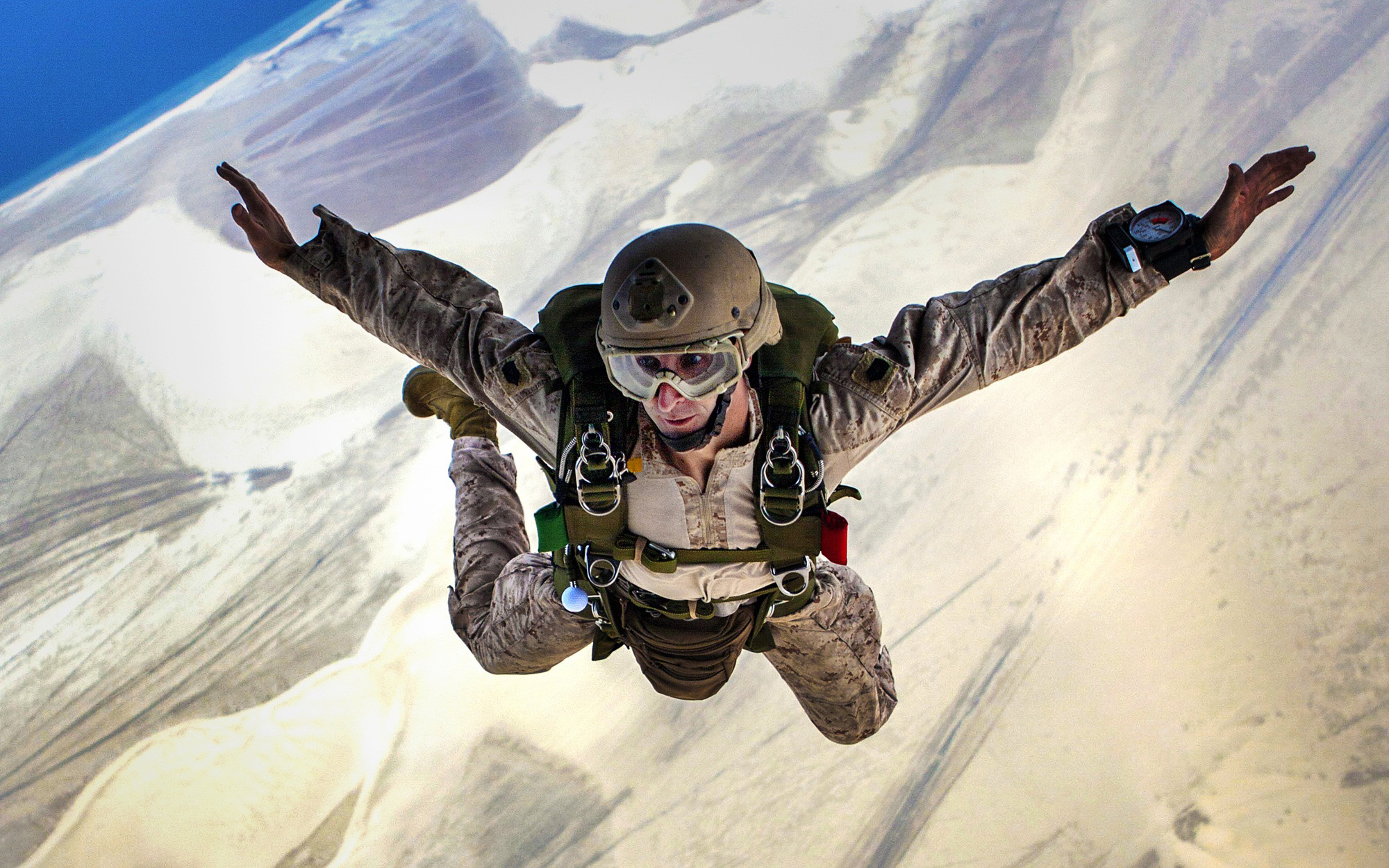
Two women died Friday after colliding in midair while preparing to land during a group skydive at Skydive Elsinore, a drop zone in Riverside County, California, authorities and the operator said. Their parachutes became entangled in the collision, and both suffered critical injuries when they reached the ground.
The crash happened at roughly 11:45 a.m. local time on Nov. 6 in the airspace above the drop zone, which sits off Cereal Street near Corydon Road at the edge of Lake Elsinore, about 70 miles southeast of Los Angeles. The Riverside County Fire Department said both women suffered traumatic injuries and were taken by ground ambulance to Inland Valley Medical Center in nearby Wildomar, where they were pronounced dead, according to NBC Los Angeles, which spoke with fire officials at the scene. Their names and ages had not been released as of Friday evening, and neither the fire department nor the drop zone said whether either woman was from the area or visiting for the jump.
Skydive Elsinore said in a statement that both women were licensed, experienced skydivers taking part in an organized skydiving event, and that their free fall and parachute openings appeared normal. The collision, the company said, occurred as the pair converged on the landing area roughly 150 feet above the ground, a point in a jump when skydivers are flying open canopies at speed and maneuvering to line up with the landing zone. The entanglement left both without a way to slow their descent before impact. The operator said it had seen no sign of an equipment failure and was cooperating with investigators, though it did not specify which agency was examining the crash.
A collision at a vulnerable point in the jump
Skydiving deaths caused by two or more jumpers colliding under open canopies are among the categories tracked each year by the United States Parachute Association, the sport's FAA-recognized national governing body. In its just-released 2025 fatality summary, USPA counted 16 civilian skydiving deaths nationwide last year, up sharply from nine in 2024, which the organization had called an all-time low. Canopy collisions accounted for two of those 16 deaths, or about 12.5%, close to the sport's 2006-2025 average of roughly 12%; freefall collisions, a related but distinct category, accounted for two more. USPA's report described 2025's jump in fatalities as "a frustrating increase" and "a wakeup call," attributing many of the deaths to lapses in basic decision-making and emergency procedure rather than equipment failure.
The association's broader safety data, published separately in its answers to frequently asked questions about safety, put the 2025 fatality rate at about 0.46 deaths for every 100,000 jumps, among members who reported making roughly 3.47 million skydives that year. The same data show that 5.6% of USPA members reported sustaining an injury serious enough to require medical treatment in 2025, most commonly ankle injuries suffered on landing rather than in the air. Collisions between two canopies, while far less common than hard landings, are considered especially dangerous because a jumper who becomes entangled with another's parachute can lose the ability to steer or slow a descent independently. Parachute operations nationwide, including at commercial drop zones like Skydive Elsinore, fall under the operating rules set out in the Federal Aviation Administration's 14 CFR Part 105, which governs how and where intentional jumps may be conducted and gives the agency authority to inspect operations for compliance.
A tight-knit community absorbs another loss
Skydive Elsinore has operated at Lake Elsinore's Skylark Airfield since 1959, and the U.S. Parachute Association has described it as one of the longest continuously operating skydiving centers in North America, marking its 60th anniversary in 2019 under longtime owner Karl Gulledge. Friday's jump was described by the operator as an organized skydiving event, the kind of outing in which multiple licensed jumpers exit an aircraft together and track toward the same landing area before opening their parachutes individually. Following the deaths, the company addressed the skydiving community and the victims' families directly.
"Skydive Elsinore extends its deepest condolences to the families, friends, and loved ones of both skydivers."
Beyond that statement and the fire department's account of the emergency response, officials released few additional details Friday. Neither agency described the relationship between the two women or said whether they were jumping as part of the same group exit.
Friday's deaths were not the drop zone's first brush with a serious incident, though fatal collisions there remain rare. In 2013, a 62-year-old jumper, identified by authorities as Ken Oka of Mira Loma, died after becoming entangled with another skydiver's canopy during a multi-person maneuver over Lake Elsinore and falling into a nearby backyard; the FAA and local police opened separate inquiries at the time. In March 2023, a student skydiver's parachute drifted into high-voltage power lines near the airfield during her first solo jump; Riverside County firefighters cut power to the lines and freed her without serious injury. Those earlier episodes illustrate the wide range of outcomes possible when something goes wrong during the final seconds of a jump, from survivable landing errors to the far rarer midair entanglements that leave jumpers no way to recover.
What happens next
It remained unclear Friday evening whether the Federal Aviation Administration or the National Transportation Safety Board would open a formal investigation into what caused the two parachutes to converge, or whether USPA would separately review the jump for its own safety records, as the association typically does for fatal accidents involving its members. As is standard practice in fatal accident cases, formal identification of the two women is expected to fall to the Riverside County Sheriff-Coroner's Office once next of kin have been notified. Skydive Elsinore said only that it was cooperating with local authorities; it did not say whether jump operations at the field were paused following the accident.
The deaths add to what USPA's own accounting already flagged as a difficult year for the sport nationally, even as skydiving organizations stress that fatal accidents remain rare relative to the number of jumps made. For the skydiving community gathered at Lake Elsinore on Friday, the immediate reality was simpler: two experienced jumpers who had done the same maneuver countless times before did not walk away from this one.

Spokane County names two deputies killed responding to domestic violence call

Father of Young Co-Pilot Killed in Florida Jet Crash Says Recordings Show She 'Fought' to the End

Lakewood police officer killed, three colleagues wounded in shootout aboard Denver-area transit bus
