Argentina escalates Falklands oil dispute as Milei tells UN the islands are 'illegally occupied'
President Javier Milei renewed Argentina's claim to the Falklands at the UN General Assembly, days after Britain extended offshore oil licenses and Buenos Aires lodged a formal protest.
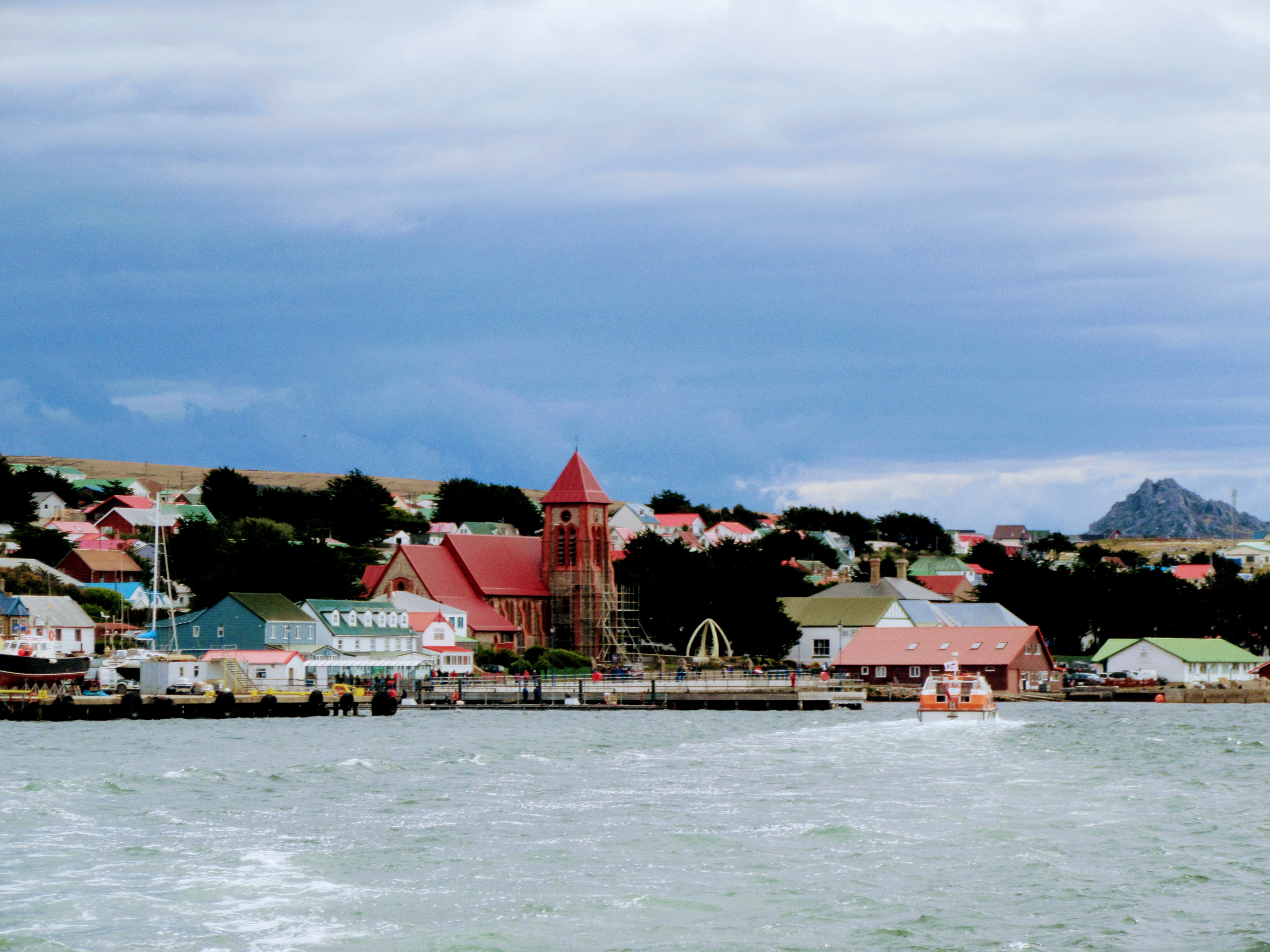
Argentine President Javier Milei used his address to the United Nations General Assembly Tuesday to renew his country's claim to the Falkland Islands, calling them "illegally occupied" by Britain since 1833, days after London extended offshore oil licenses around the islands and Buenos Aires lodged a formal diplomatic protest.
The exchange is the latest escalation in a dispute that has produced an Argentine presidential decree, sanctions proceedings against dozens of companies, a court injunction against drilling in the South Atlantic, and now dueling statements on the world's most prominent diplomatic stage.
What happened
The Falkland Islands Government said Sunday it had extended all of its offshore hydrocarbon production licenses by five years, with an option for two more, and separately approved Navitas Petroleum's acquisition of a 65 percent stake in a license block adjacent to the Sea Lion oil field. Cheryl Roberts, the islands' portfolio holder for trade, industry and mineral resources, said the extensions were meant to give operators "security" to keep investing, according to the Falkland Islands Government's own production-licenses page.
Argentina's Foreign Ministry responded the next day, with Foreign Minister Pablo Quirno ordering a formal protest note to the British Embassy calling the extension "an unlawful act" that violates a 1976 United Nations General Assembly resolution calling on both countries to refrain from unilateral changes to the islands' status while sovereignty remains disputed. Argentina's protest also invoked a decree Milei signed and published in Argentina's official gazette on September 4, which speeds up sanctions and disqualification proceedings against firms operating in the disputed waters without Argentine authorization and bars them from a domestic investment-incentive program.
The numbers
Argentina has opened administrative sanctions proceedings against roughly 60 companies, subsidiaries and shareholders tied to logistics, infrastructure and hydrocarbon activity connected to the Falklands, and a 133-article bill sent to Argentina's Congress in mid-September would create oil-indexed fines and prison terms of up to 20 years for firms operating there without Buenos Aires's consent. Separately, a provincial court in Tierra del Fuego issued an injunction on September 17 ordering Rockhopper Exploration and Navitas Petroleum to halt drilling and infrastructure work at the Sea Lion field, roughly 220 kilometers from the islands, pending an environmental review, in a suit brought by war veterans and environmental lawyers, according to reporting on the injunction.
"The Falkland Islands are British and they have the right to develop their natural resources as they see fit," Uma Kumaran, the United Kingdom's minister for overseas territories, said in a statement responding to Argentina's sanctions push. "These charges against companies and individuals are unacceptable, with no legal justification."
How we got here
Argentina and Britain fought a ten-week war over the islands in 1982 after Argentina's military junta invaded; Argentina surrendered, but the sovereignty dispute has remained a fixture of Argentine national politics under governments of every ideological stripe. Milei, a self-described libertarian who has otherwise pursued close ties with Washington and London, had shown relatively little interest in the issue earlier in his presidency, making his harder line this year a notable shift. Argentine opposition figures have accused him of using the dispute to shore up domestic support ahead of a 2027 re-election campaign, an allegation his government has not directly addressed.
The dispute also has a domestic legal dimension inside Argentina: the decree and the pending congressional bill both build on two existing Argentine laws, from 2011 and 2013, that already restricted hydrocarbon activity linked to the islands without Buenos Aires's authorization. What has changed under Milei is enforcement — this year's decree compresses the timeline for opening sanctions cases and adds the threat of exclusion from Argentina's flagship investment-incentive regime, a tool his government has otherwise used to attract foreign capital rather than restrict it.
Who is affected
The companies most directly affected are Rockhopper Exploration, a British firm, and Navitas Petroleum, based in Israel, both of which face the prospect of Argentine sanctions proceedings even as they continue operating under British authorization around the Falklands. Firms with any exposure to the Argentine market face a choice between the two countries' conflicting legal regimes, and Argentina's proposed legislation would extend criminal, not just administrative, liability to executives and shareholders if it passes Congress.
What happens next
Milei used his UN address to call for the resumption of bilateral sovereignty talks with Britain while warning that "any further advance on the Malvinas Islands will be considered a violation of our national security," a formulation that raises the diplomatic stakes without specifying what action, if any, Argentina would take. Britain has shown no sign of altering its position or pausing the licensing extensions, and has historically declined to negotiate sovereignty itself, citing the islanders' own repeatedly stated wish to remain British. Argentina's Congress has yet to act on the sanctions bill, and the Tierra del Fuego injunction against drilling at Sea Lion remains in effect pending the environmental review, meaning the practical fight over the islands' oil is, for now, playing out in courtrooms and legislatures rather than in the waters themselves. The islands' roughly 3,500 residents, who voted overwhelmingly in a 2013 referendum to remain a British overseas territory, are not directly party to either country's legal maneuvering but have the most at stake in whether Sea Lion, one of the largest untapped oil discoveries in the South Atlantic, ultimately gets developed.

In his final UN address, Guterres warns the world's 'fault lines' are widening into canyons

Iranian Guard Officers Helped Direct Houthi Blitz That Seized Yemen's Red Sea Coast, Officials Say

US, Denmark and Greenland Sign Arctic Security Pact After Months of Annexation Threats
