Congo's Ebola outbreak becomes the deadliest on record
A one-week toll of more than 300 deaths has pushed the Bundibugyo-strain outbreak past Congo's worst previous Ebola epidemic, even as the first vaccine doses reach the outbreak zone.
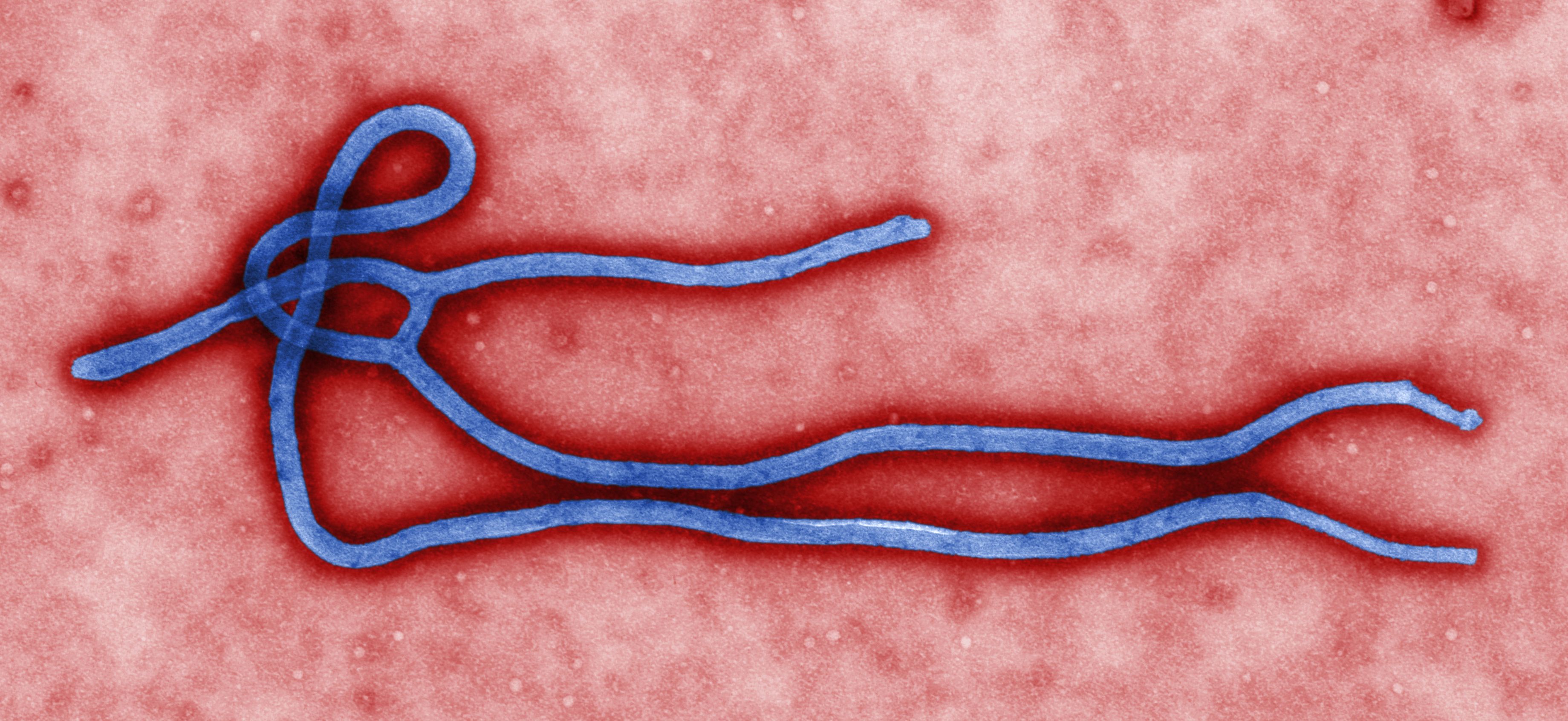
The Ebola outbreak spreading through eastern Democratic Republic of Congo has become the deadliest in the country's history, with health officials confirming more than 2,600 deaths since the outbreak was declared in mid-May. A single week in August accounted for more than 300 of those deaths, one of the highest weekly tolls recorded since the epidemic began, according to figures compiled by Congo's health ministry and cited by the World Health Organization.
More than 5,500 confirmed and probable cases have now been recorded across Ituri, North Kivu, South Kivu and Tshopo provinces, with a small number of cases also confirmed across the border in Uganda. The death toll has already surpassed the roughly 2,300 fatalities recorded during Congo's 2018-2020 outbreak, previously the country's worst, and the epidemic is on pace to become one of the fastest-growing Ebola outbreaks ever documented, according to Al Jazeera.
A strain without a proven vaccine
Much of the difficulty stems from the virus itself. The outbreak is caused by the Bundibugyo species of ebolavirus, a rarer strain than the Zaire virus behind most previous outbreaks and one for which no vaccine had been specifically validated. The World Health Organization initially advised against using the licensed Ervebo vaccine because of limited evidence it would protect against the Bundibugyo strain, delaying an immunization response for weeks while cases climbed.
That changed in late July, when a WHO technical advisory group authorized a Phase 3 clinical trial of Ervebo in the outbreak zone. The first shipment — roughly 70,000 doses split between the trial and frontline health workers — arrived in Congo in mid-August. The World Health Organization and Africa's public health agency welcomed the vaccine allocation as a critical step, with the first doses reaching health workers on the ground in mid-August.
Aid organizations say a significant share of deaths are occurring outside formal treatment centers, a sign of how difficult it remains to reach patients in a region where health infrastructure is thin. Médecins Sans Frontières has deployed more than 1,400 staff and is running seven Ebola treatment centers, with three more under construction, but officials acknowledge that many sick residents in remote areas are not making it to care in time. Clinical trials of experimental treatments are also under way: the antiviral remdesivir and two monoclonal antibody therapies began testing in Congo over the summer, offering the possibility of better outcomes for patients who do reach treatment centers even before the vaccine's protective value is confirmed.
Congo has now recorded seven Ebola outbreaks since 2018, more than any other country, a recurrence driven partly by the virus's animal reservoir in the region's forests and partly by chronic strain on the health system. The current epidemic has already killed roughly a quarter as many people as the 2014-2016 West Africa outbreak, still the deadliest in history with more than 11,000 deaths, and health officials say the coming weeks — as vaccine coverage expands but case counts remain elevated — will determine whether Congo avoids surpassing that benchmark.
For now, the emergency response remains a race between an accelerating outbreak and a health system trying to scale up testing, treatment beds and vaccination faster than the virus can spread through communities already coping with years of instability.

Japan denies spying charge as Tokyo presses Russia for access to detained reporter

Iran sinks two more ships in Strait of Hormuz as war enters ninth month

Ukrainian Ex-Officer Goes on Trial in Germany Over Nord Stream Pipeline Blasts
