NATO jets shoot down drone over Lithuania in first such interception
Italian Eurofighter Typhoons flying NATO's Baltic Air Policing mission destroyed an unidentified drone that crossed into Lithuania from Belarus before dawn Tuesday — the first time a drone has been shot down over Lithuanian territory, and the third Baltic-region airspace breach in two weeks.

NATO fighter jets shot down an unidentified drone over Lithuania in the early hours of Tuesday, after it crossed into the country's airspace from neighboring Belarus, Lithuanian authorities said. Officials described it as the first time a drone has been destroyed over Lithuanian territory, and among the first times NATO aircraft have used force against a drone incursion into allied airspace during Russia's war on Ukraine.
The drone was detected shortly after midnight and was intercepted and destroyed at about 12:20 a.m. near the village of Pratkūnai, in the Kaišiadorys district roughly 100 kilometers (62 miles) west of Vilnius, close to the Kaunas Reservoir and the Kruonis pumped-storage hydroelectric plant, one of the country's key pieces of energy infrastructure. It was brought down by an Italian Air Force Eurofighter Typhoon flying as part of NATO's Baltic Air Policing mission, which has patrolled the skies over Estonia, Latvia and Lithuania since 2004 because the three Baltic states have no fighter jets of their own.
A drone deep inside Lithuanian territory
According to Lithuania's National Crisis Management Centre, the drone remained in Lithuanian airspace for roughly 30 minutes, skirting the edges of populated areas as it flew from the Belarusian border toward Kaunas. Air-danger warnings were issued in succession for the Vilnius, Trakai and Elektrėnai districts and then for Kaunas district before being lifted once the aircraft was destroyed. Preliminary assessments found "a high probability" that the drone was carrying an explosive charge, though the military said it would not draw conclusions about its type, ownership or intended target until an investigation was complete, according to Lithuania's public broadcaster LRT. Military police sealed off the crash site overnight and activated Operation Skydas, a protocol used when unexploded ordnance may be present, while specialists collected wreckage for analysis.
The Lithuanian Ministry of National Defence said the country's armed forces and the Italian pilots serving in NATO's air-policing detachment at Šiauliai Air Base had given "a swift and responsible response." Italy took over the rotating Baltic Air Policing duty at Šiauliai on July 31, deploying four Eurofighter Typhoons, and its jets carried out their first operational scramble of the rotation only weeks earlier, intercepting Russian aircraft over the Baltic Sea.
The third Baltic airspace breach in two weeks
The shoot-down was the third reported drone or airspace incursion involving NATO's eastern members in a matter of weeks. NATO fighters scrambled after a drone entered Estonian airspace on September 1, and a Russian drone flew deep into Romanian territory before crashing in neighboring Moldova on September 10. Poland, further south, announced its own precautionary "aviation operations" hours after the Lithuanian incident, citing continued concern about drone activity near its borders.
The pattern traces back a year, to the night of September 9-10, 2025, when roughly 20 Russian-launched drones crossed into Polish airspace during a mass strike on Ukraine. Polish F-16s and Dutch F-35s shot down several of them, in what was then described as the first time NATO aircraft had used force against an airborne threat inside allied territory. That incident triggered Article 4 consultations among allies and led NATO to launch Operation Eastern Sentry, which reinforced air defenses along the alliance's eastern flank from the Baltic to the Black Sea with additional fighter jets, air-defense systems and reconnaissance assets from Britain, Denmark, France, Germany and other members. It is separate from Baltic Sentry, the maritime mission NATO stood up in January 2025 to guard undersea cables and other critical infrastructure in the Baltic Sea following a string of suspected sabotage incidents.
Lithuania, Latvia and Estonia, all NATO and European Union members bordering Russia or its ally Belarus, have reported recurring drone incursions and false alarms since Russia's full-scale invasion of Ukraine began in 2022, but Tuesday's interception marked the first time one of the drones was actually shot down over Lithuanian soil.
Officials in Vilnius and Brussels respond
Lithuanian President Gitanas Nausėda, who was on a working visit to Finland when the drone entered Lithuanian airspace, wrote on social media that "a drone that just entered Lithuanian airspace was destroyed by NATO fighter jets," adding that "with Russia intensifying its aggression against Ukraine, such readiness is vital for our region," and that Lithuania, together with its allies, would defend its airspace. Foreign Minister Kęstutis Budrys called the operation proof of alliance cohesion.
"This is the best example of allied unity and resolve in action — sending a clear message that NATO stands vigilant, committed and ready," Budrys said.
Lithuania's armed forces commander, Gen. Raimundas Vaikšnoras, linked the incursion directly to Russia's war against Ukraine, while the head of the crisis management center, Vilmantas Vitkauskas, told LRT that the drone most likely entered from Belarus. Lithuania's presidential office separately said Belarus had not given advance warning that a drone was heading toward the border, a complaint Vilnius has raised before over unannounced cross-border drone traffic linked to smuggling and to spillover from Russian strikes on Ukraine.
The incident came less than a day after NATO Secretary General Mark Rutte, speaking in Brussels, said strikes close to alliance territory reflected Russian President Vladimir Putin's "desperation" and his "desire to sow fear and terror," and that Moscow was "growing increasingly reckless as it continues its terrible war against Ukraine." Rutte said such provocations would only drive NATO to increase its support for Kyiv, according to Euronews and other outlets that covered his remarks.
The Kremlin offered no substantive response. Spokesman Dmitry Peskov told reporters he did not have details of the episode and declined to comment further, a position consistent with Moscow's handling of earlier Baltic and Polish airspace incidents, none of which Russia has claimed responsibility for. Officials in Vilnius have not yet said definitively whether they believe the drone originated with Russian or Belarusian forces, was a stray munition from strikes on Ukraine, or something else; the wreckage recovered near Pratkūnai is expected to be central to that determination.
What happens next
Lithuanian investigators and military specialists were continuing forensic work at the crash site on Tuesday to establish the drone's make, its point of origin and whether it was carrying explosives, findings that will shape both Vilnius's diplomatic response and any formal protest to Minsk. NATO's Baltic Air Policing detachment at Šiauliai remains on heightened alert, and allied officials have signaled that Tuesday's shoot-down, following Poland's interception a year earlier and the more recent incursions into Estonian and Romanian airspace, will likely accelerate discussion inside the alliance about permanent, lower-cost counter-drone defenses along its eastern flank rather than relying solely on fighter jets to down slow-moving, inexpensive drones. Lithuanian officials, including Nausėda, have said in recent months that the country is prepared to use costlier interceptor missiles against such threats if necessary, a debate that is likely to resume in the wake of this week's incident, according to reporting by the Irish Times and the Associated Press. NATO's Allied Air Command, which coordinates the Baltic policing rotation from Uedem, Germany, has not announced any change to the mission's posture, but allies due to rotate into Šiauliai and Ämari air base in Estonia in coming months are expected to face the same pressure to respond quickly to low-altitude, hard-to-detect drones that has now defined incidents in Poland, Romania, Estonia and Lithuania within the span of a year. Another outlet's same-day account of the interception, filed within hours of the shoot-down, carries additional detail on the immediate scramble order.

China's factories keep outrunning its shoppers
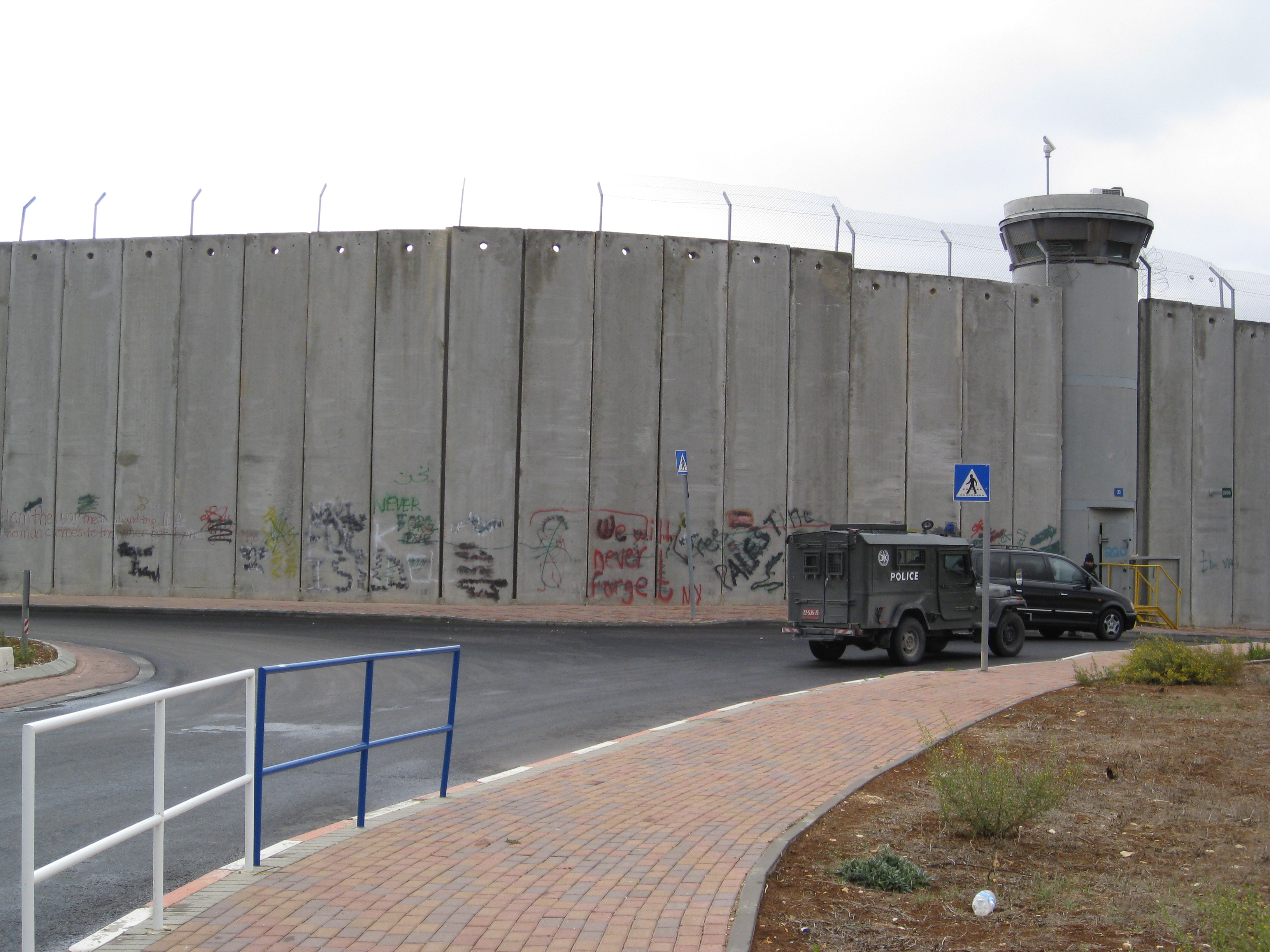
Israeli rights group says West Bank policy has become a single 'project of elimination'

Ferry carrying 243 capsizes in Java Sea off Borneo, killing six and leaving 136 missing
