Pakistani airstrikes in Afghanistan kill 22 militants, Islamabad says; Kabul reports nine civilians dead
Pakistan said warplanes struck militant hideouts in Kunar and Helmand provinces overnight, but Afghanistan's Taliban government said the bombing killed nine women and children — the latest flashpoint in a cross-border war that has killed hundreds of civilians since February.

Pakistani fighter jets struck targets in two Afghan provinces overnight Wednesday into Thursday, with Islamabad saying the raids killed 22 fighters from militant hideouts and Kabul's Taliban administration saying nine civilians, mostly women and children, died in the bombing. The strikes, in the eastern province of Kunar and the southern province of Helmand, mark the latest round in a cross-border war that has killed hundreds of people since it erupted in February.
Pakistan's Ministry of Information said the operation was "well planned and calibrated" and carried out "with precision and accuracy," adding that "maximum precautions were taken and it was ensured that no collateral damage occurs." The ministry said the strikes destroyed hideouts along with weapons and ammunition belonging to militants it did not immediately name.
Afghan officials gave a very different account. A spokesman for the Taliban government, Zabihullah Mujahid, said the bombing destroyed three houses, killed nine women and children and wounded another 11 people. "We condemn this act, and consider this an act of aggression and a crime that violates all universally accepted principles," he said in a statement carried by Afghan and international outlets.
Neither account could be independently verified by journalists on the ground, a recurring problem in a conflict fought largely in remote border districts with little outside access. Al Jazeera, which has reported extensively from the region, said it could not independently confirm either the militant death toll claimed by Islamabad or the civilian toll reported by Kabul.
A war measured in hundreds of deaths
The dispute over Thursday's toll is itself part of a larger pattern. Since fighting between the two countries intensified in February, Pakistan and Afghanistan have repeatedly issued conflicting casualty figures after nearly every round of strikes, with Islamabad emphasizing militant deaths and Kabul emphasizing civilian harm.
The United Nations Assistance Mission in Afghanistan has tried to provide an independent count. Covering the first flare-up of the war, the mission documented 185 civilian casualties in Afghanistan between Feb. 26 and March 5 alone — 56 people killed and 129 wounded — and found that women and children made up 55 percent of the toll. A single strike on Barmal district on Feb. 27 killed 14 civilians, including four women and two girls, the mission said.
The toll has only grown since. By the end of June, UNAMA had recorded 499 Afghan civilians killed and 1,216 wounded in cross-border violence dating back to October 2025, according to the mission's reporting. Among the deadliest single incidents was a strike on a drug-treatment facility in Kabul in March that killed hundreds of people and prompted Amnesty International to call for an investigation into the attack as a possible war crime. In late June, two successive airstrikes on a residential building in Paktia province killed 22 people, including five children, and wounded at least 185 more — the second strike landing as rescuers worked through the rubble of the first.
Pakistan disputes the framing of these figures and says it, too, has paid a heavy price. Islamabad has said roughly 130 Pakistani civilians and security personnel have been killed by militant attacks this year, and its military has claimed to have killed nearly 800 Tehrik-i-Taliban Pakistan and Afghan Taliban fighters in retaliatory strikes — a figure that, like Thursday's count of 22, has not been independently verified.
Roots of the conflict
The war traces back to Pakistan's long-standing accusation that the Afghan Taliban, which seized power in Kabul in 2021, allows the Tehrik-i-Taliban Pakistan, commonly known as the Pakistani Taliban or TTP, to operate from safe havens on Afghan soil and launch attacks across the border. Afghanistan's Taliban government denies harboring the group and accuses Pakistani forces of bombing civilian areas under the pretext of counterterrorism.
Tension between the two governments, once allies during the Taliban's war against the former Western-backed Afghan state, has hardened into open hostility. Pakistan's defense minister described the February escalation as tantamount to "open war," and the fighting has since swung between periods of intense bombardment and fragile ceasefires brokered with the help of Qatar and Turkey, none of which has held for long. Thursday's strikes followed roughly three months of comparative calm along the border, according to regional reporting.
Civilians caught in the middle
The burden of the fighting has fallen overwhelmingly on residents of Afghanistan's eastern and southern border provinces — Kunar, Paktika, Paktia, Khost and now Helmand — where families have been killed in their homes, local infrastructure has been damaged and tens of thousands of people have been displaced. Humanitarian organizations tracking the conflict have reported well over 100,000 people forced from their homes since the February escalation, part of a broader strain on Afghan aid agencies already managing mass returns of Afghan migrants expelled from Pakistan and Iran.
"We condemn this act, and consider this an act of aggression and a crime that violates all universally accepted principles."
That quote, from Taliban government spokesman Zabihullah Mujahid, has become something of a refrain over the course of the year, repeated in only slightly varied form after nearly every round of Pakistani strikes. Pakistani officials, for their part, have just as consistently rejected Afghan casualty figures and insisted their forces take care to avoid harming civilians, a claim that outside investigators, including the United Nations, have repeatedly contested.
What comes next
There was no immediate sign Thursday that either side intended to de-escalate. Pakistan's Ministry of Information said its campaign against militant networks based in Afghanistan "will continue at full pace to wipe out" the threat, language consistent with previous statements after earlier rounds of strikes. The Press Information Department, the Pakistani government's official clearinghouse for such statements, continues to post near-daily updates on security operations along the Afghan frontier through its official press release portal.
Afghanistan's Taliban administration has not announced retaliatory strikes of its own, though it has periodically closed border crossings and lodged formal protests with Pakistani diplomats after previous incidents. Past rounds of fighting have eventually produced short-lived ceasefires mediated by Qatari and Turkish officials, and diplomats in the region expect renewed mediation efforts if the current exchange of strikes continues or widens.
For now, independent monitors are left, as they have been throughout the year, trying to reconcile two irreconcilable accounts. UN humanitarian tracking of the conflict has consistently found that Afghan civilian casualties continue to climb even as Pakistan maintains that its strikes are precisely targeted, a gap in narrative that has defined the war since its first week and showed no sign of closing after Thursday's bombing.
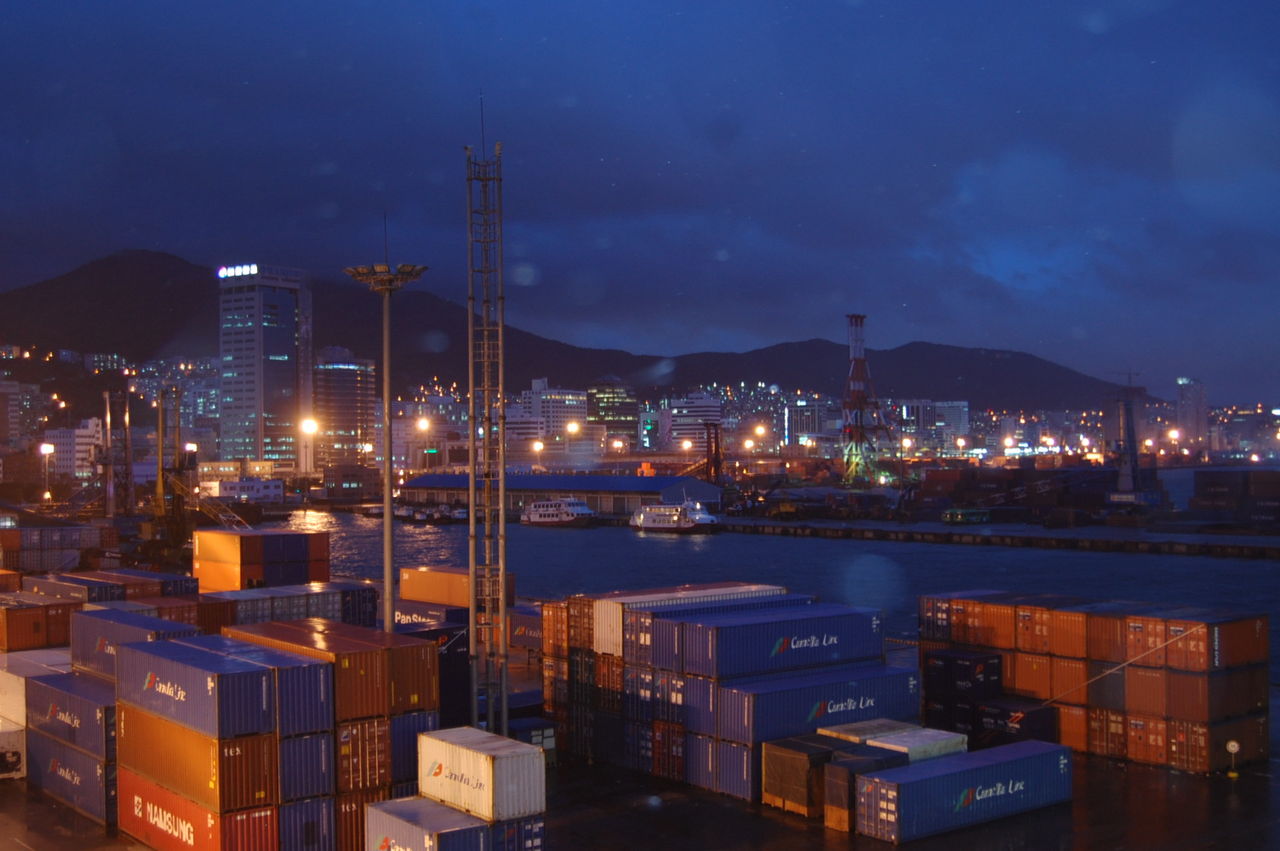
South Korea's Exports Hit Record $120.9 Billion as AI Chip Boom Accelerates

G20 trade ministers wrap Milwaukee summit as tariff tensions simmer
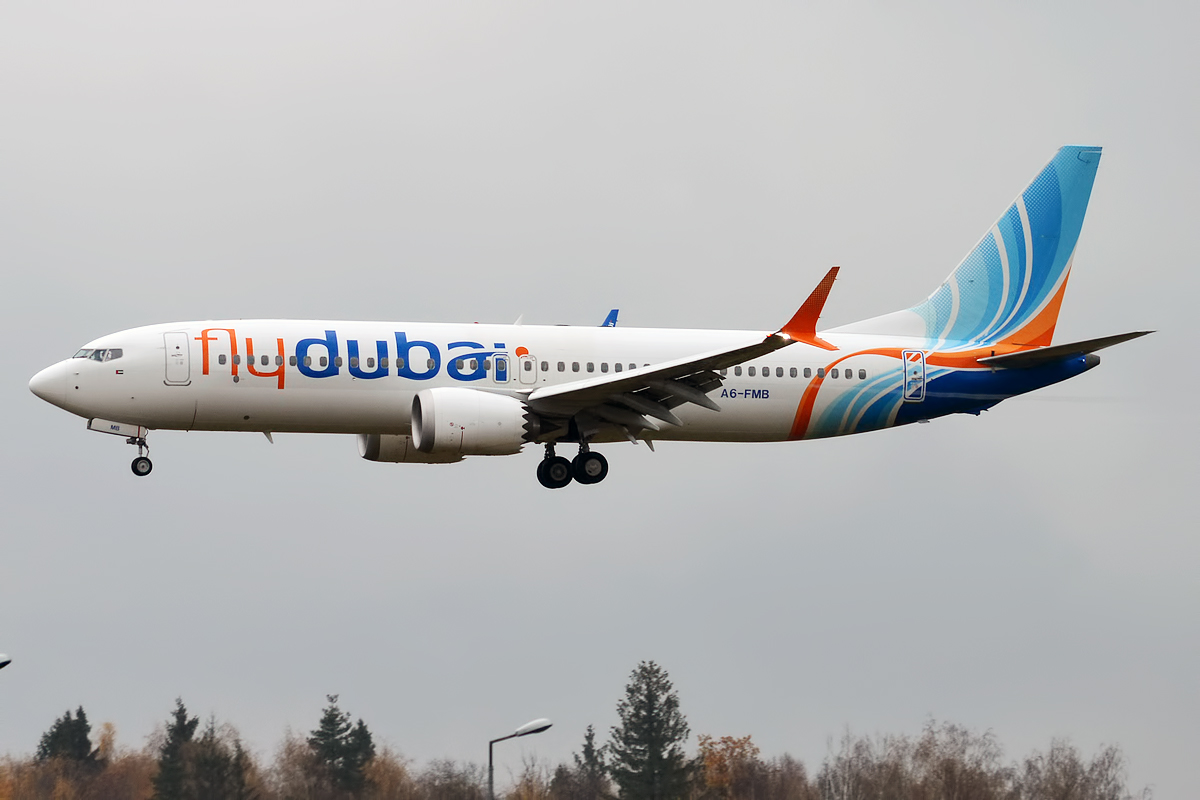
Flydubai Co-Pilot Stabs Captain, Tries to Crash Israel-Bound Jet; Passengers Wrestle Back Control
