South Africa Reels After Twin Mass Shootings Kill 28 in a Single Weekend
Gunmen struck a tavern outside Johannesburg and a grilled-meat venue near Cape Town within hours of each other, killing at least 28 people in the deadliest single weekend of a year already marked by a surge in organised, gang-style shootings.
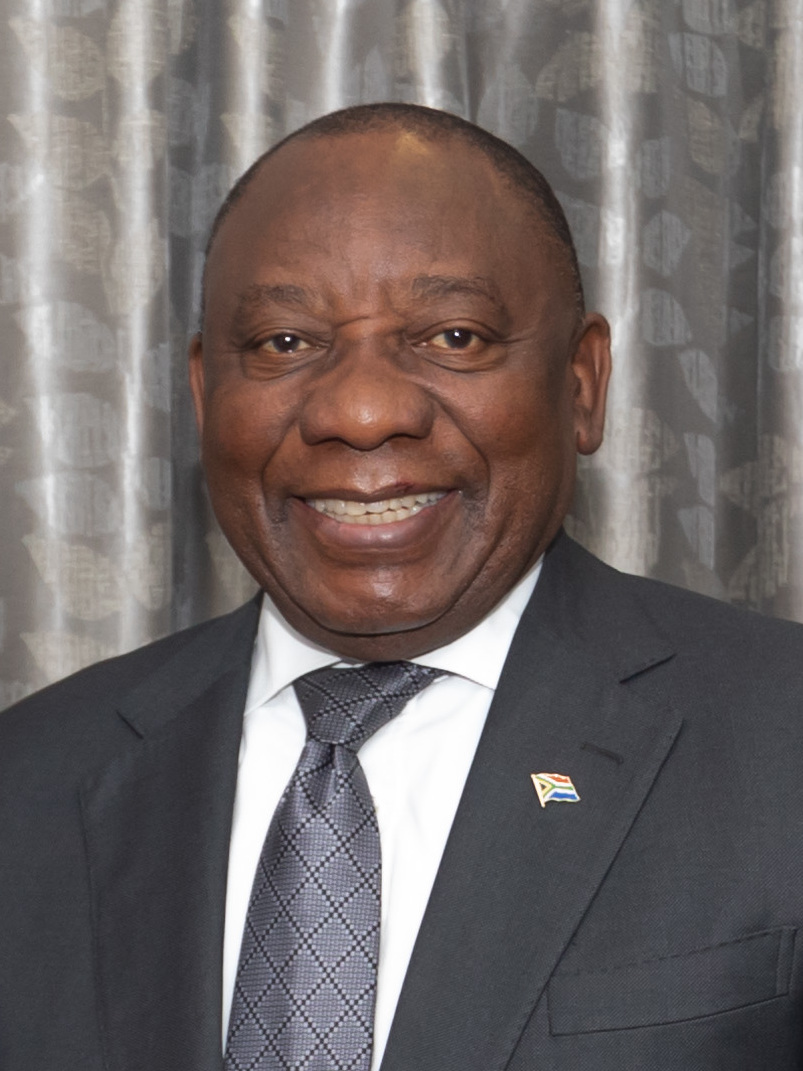
Two mass shootings within hours of each other over the weekend left at least 28 people dead in South Africa, the deadliest single stretch of gun violence this year in a country already grappling with what officials describe as a spiralling crisis of organised, gang-style killings. President Cyril Ramaphosa ordered security forces to "pull out all stops" as police in two provinces hunted for gunmen who struck a tavern outside Johannesburg and a grilled-meat venue near Cape Town.
What happened
The first attack unfolded shortly after 9:30 p.m. on Saturday in Wedela, a township outside Carletonville on Gauteng's West Rand. According to the South African Government News Agency, eight unidentified men armed with AK-47 rifles and pistols opened fire on patrons drinking outside Dora's Tavern before moving inside and continuing to shoot. The attackers searched some of the wounded and dead for cellphones, set two vehicles alight in the street outside, and fled in two unmarked cars. Police opened 17 counts of murder, 15 of attempted murder and two of malicious damage to property; by Monday the death toll had climbed to 18 after another victim died in hospital.
Hours later, shortly before 2 a.m. on Sunday, gunmen opened fire at a shisanyama — a grilled-meat and drinking venue — in Lwandle, a township near Strand outside Cape Town. Ten people were killed, five at the scene and five more after being taken to hospital, and eleven others were wounded. No arrests had been made in either case as of Monday.
The numbers
- 18 dead and 15 wounded in the Wedela tavern attack near Carletonville, Gauteng
- 10 dead and 11 wounded in the Lwandle shooting near Cape Town, Western Cape
- 38 people killed in gun attacks nationwide over the preceding week, including 11 killed at a house party near Durban
- At least 41 mass-casualty shootings and roughly 196 deaths recorded in South Africa so far in 2026, using a threshold of three or more people killed in a single incident, according to a tally compiled by the Daily Maverick
How the country got here
South Africa's murder rate has eased slightly over the past year — the government's own statistics show a roughly 9.5 percent drop in killings in the final quarter of the 2025/26 fiscal year — but it remains among the highest in the world, with dozens of people killed every day nationwide. What has changed, researchers say, is the character of the violence: a growing share of killings now come in multiple-victim bursts tied to organised crime rather than to interpersonal disputes.
Gauteng's deputy provincial police commissioner, Major General Fred Kekana, said the Wedela attack appeared to be retaliation linked to an August shooting in the same area that killed one person and wounded another, telling reporters one of Saturday's victims had been sought in connection with that earlier incident. Julian Rademeyer, a senior adviser at the Global Initiative Against Transnational Organized Crime, pointed to two recurring drivers behind this year's wave of tavern and party shootings: turf disputes over illegal mining operations and extortion rackets that increasingly use mass shootings as a form of collective punishment, with bystanders caught in the crossfire. The killings also land amid the Madlanga Commission of Inquiry, a judicial probe into allegations of police corruption and links between senior officers and organised crime figures, which has been hearing testimony from taxi industry figures about relationships with alleged hitmen.
Who is affected
Both attacks struck working-class townships where taverns and informal drinking venues are central to social life on weekends. In Wedela, the dead included 13 men and four women, ordinary patrons who had gathered for a Saturday night out; the tavern's owner has said security camera footage may help identify the attackers. In Lwandle, families are burying victims killed at a shisanyama, a type of informal meat-grilling venue common in South African townships, where mourners described a night out turning fatal in minutes. Provincial governments in both Gauteng and the Western Cape have faced renewed pressure over liquor licensing and policing of nightlife venues, with commentators noting that many such establishments operate with limited security and minimal oversight of firearms brought onto the premises.
Reaction
Speaking to reporters in Ekurhuleni on Sunday, President Ramaphosa condemned the violence in blunt terms. "We cannot be a country where people just pick up guns and start shooting at people at random, making the people of South Africa unsafe," he said, adding that "violence and criminality continues to spread in our country" and that security forces would "continue pulling out all stops" to catch those responsible.
"Such lawlessness has no place and will not be tolerated in our democratic society," the national government said in a statement, adding that law enforcement agencies had "reinforced its presence on the ground and assembled specialised investigative teams to hunt down the suspects."
Gauteng's provincial government, in a statement condemning the Wedela shooting, called on law enforcement to urgently mobilise all available resources to identify and prosecute the attackers. The South African Police Service's own account of the manhunt, posted by the national police service, said crime intelligence and forensic units had been deployed alongside a national crime-scene investigation team. Security analysts, including Dr Mxolisi Mathebula, have argued that rebuilding trust between police and township communities is essential if such attacks are to be prevented, given how heavily investigators rely on tip-offs and community cooperation to identify suspects who typically flee before dawn.
What happens next
No suspects had been arrested in either shooting as of Monday, and police in both provinces said the investigations remained active, with crime-scene teams still processing evidence and detectives following leads generated in part by facial-recognition technology that Ramaphosa said had already helped identify possible suspects from the Wedela attack. The government has not announced a formal policy response beyond redeployed units, though the shootings are likely to intensify scrutiny of liquor-licensing enforcement and of the broader Madlanga Commission's findings on police integrity. For now, officials in Pretoria, Johannesburg and Cape Town have offered condolences and promises of arrests, while acknowledging that this weekend's toll adds to a run of mass-casualty shootings that has already made 2026 one of the deadliest years on record for this form of violence in South Africa.

South Korea demands apology from Ukraine over disclosure of North Korean POW transfer

Drone Strikes Hit Fuel Depot in Central Sudan as Army Chief Rejects US-Brokered Truce
