Toxic home-brewed gin kills at least 49 in southwestern Nigeria
A cheap, home-distilled spirit known locally as "Monkey Tail," suspected of being contaminated with methanol, has killed dozens of people across two rural council areas of Nigeria's Ondo State, with cases still emerging days after the first deaths were reported.
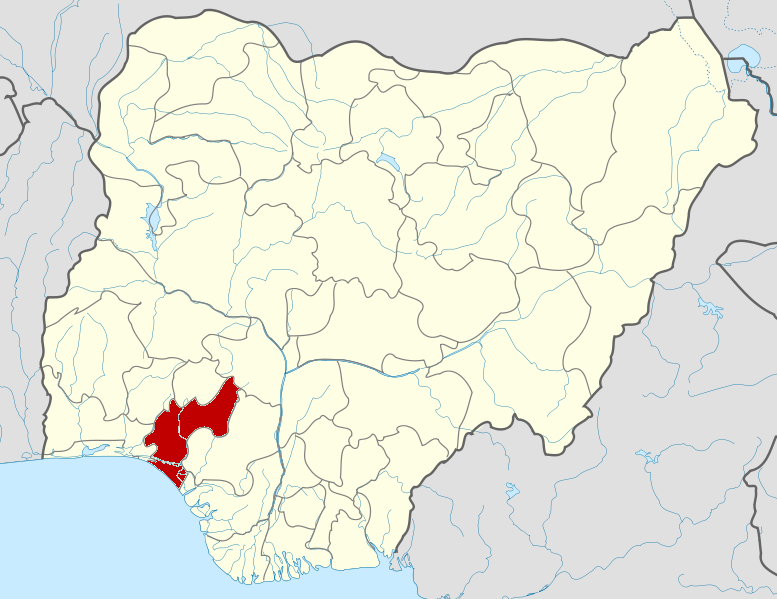
At least 49 people have died and well over 150 more have fallen ill in southwestern Nigeria's Ondo State after drinking a home-distilled spirit that health officials suspect was contaminated with methanol, a toxic industrial alcohol sometimes used to stretch or fortify illicit liquor. The outbreak, which began in the farming town of Odigbo in early September and has since spread to the neighboring Irele local government area, is one of the deadliest mass poisonings reported in Nigeria in years.
The drink at the center of the crisis is known locally as "Monkey Tail," a herbal gin mixture sold cheaply in small bottles and sachets in rural markets and roadside bars. Residents told the Associated Press that at least two versions of the drink circulate, an older recipe generally considered safe and a newer, apparently adulterated version now blamed for the deaths.
The numbers
Ondo State's commissioner for health, Dr. Banji Ajaka, said the death toll had reached 49 by Thursday evening, up from the 48 confirmed earlier in the day, with roughly 170 to 182 people treated at hospitals and clinics across the two affected council areas, according to local reporting on the state's case count. The outbreak first surfaced in Odigbo, where it had killed around 30 people by mid-September, before a second cluster emerged in Irele, including eight deaths recorded in a single 24-hour period, according to an update on the toll reaching 49. Urine samples taken from victims have pointed toward methanol as the likely cause, though laboratory confirmation of the exact toxin was still pending as of Thursday.
"Once they consume, depending on the quantity, the kidneys will pack up, the eyes will go, the brain will be damaged," Dr. Banji Ajaka, Ondo State's health commissioner, told the Associated Press.
How the poisoning spread
Methanol poisoning outbreaks tend to follow a familiar pattern in low- and middle-income countries: informal distillers, working without regulation or quality control, either use methanol-contaminated raw materials or deliberately add it to boost potency and cut costs, since methanol is far cheaper than ethanol. The World Health Organization notes that alcohol consumption causes an estimated 2.6 million deaths worldwide each year, a toll driven in part by unregulated and counterfeit products in markets with weak enforcement.
Nigeria has struggled for years to police its vast informal alcohol trade. In 2025, Nigeria's drug and food regulator, the National Agency for Food and Drug Administration and Control, moved to eliminate small-format packaging blamed for fueling underage and binge drinking. The agency's director-general reaffirmed a nationwide ban on alcohol sold in sachets and small plastic bottles, arguing the packaging made cheap, often unbranded spirits accessible to minors and the poor. But that measure targets sachet-format branded liquor, not the unregulated home-distilled gins and herbal concoctions like "Monkey Tail" that are brewed and sold informally in villages, often outside any inspection regime.
Ondo's information commissioner, Idowu Ajanaku, initially pushed back on characterizations of the drink as "contaminated," telling reporters plainly that "it is not a contaminated beverage. It is a local gin being manufactured around Odigbo," a framing that has since given way to the state's acknowledgment that methanol contamination is the leading suspected cause.
Who is affected
The victims are concentrated in poor, rural farming communities in Odigbo and Irele, including Araromi-Obu, New Town, Odole, Okele, Orita Odigbo, Oniparaga, Idogun and Gbogunron. These are areas where cheap, informally brewed spirits are often the only affordable alcohol available, and where access to emergency toxicology treatment, including the antidotes typically used against methanol poisoning, is limited. Local health workers have described the symptoms as swift and severe: kidney failure, blindness and, in the worst cases, fatal brain damage within hours of heavy consumption.
The economic disruption has followed close behind the health toll. The state's emergency ban on the sale and distribution of unverified alcoholic drinks has hit local traders and small-scale brewers who depend on the trade for their livelihoods, even as officials say the restriction is necessary to stop further deaths while the source of the contamination is traced.
The response
Governor Lucky Aiyedatiwa's administration has assembled a multi-agency task force to contain the outbreak, drawing in the state health ministry, police, the Department of State Services, the National Drug Law Enforcement Agency, NAFDAC and the World Health Organization's Nigeria country office, according to the state's own case updates. Police have arrested 15 people in connection with the outbreak, including a man identified by investigators as Oloruntoba Babatunde, known locally as "Meko," who is suspected of producing the tainted batches and is assisting police with forensic testing of recovered samples, police spokesperson Abayomi Jimoh said in a statement reported by Nigerian outlets covering the arrests. Fourteen others were detained for allegedly selling or consuming the banned herbal drinks.
Dr. Ajaka said response teams had already deployed to Irele as the outbreak's second front opened. "Altogether, about 170 people have been affected, including those admitted and those who died," he said. "Our teams are already in Irele as I speak."
What happens next
Forensic and toxicology results confirming methanol as the definitive cause were still outstanding as of Thursday, and health officials cautioned that the death toll could rise further as more cases from Irele are processed. The state's ban on unverified alcoholic drinks remains in force across both affected council areas, and surveillance teams are continuing house-to-house checks to identify anyone who may have consumed the tainted batches but not yet sought treatment.
Nationally, the episode is likely to renew pressure on federal regulators to extend oversight beyond branded sachet alcohol to the much larger, harder-to-police market in home-distilled spirits, a sector that has been linked to fatal methanol poisonings in Nigeria before, including a smaller outbreak in the same region a decade ago. For now, officials in Akure say their immediate priority is treating the sick and identifying exactly how methanol entered the supply of a drink that, for many in Odigbo and Irele, was simply the cheapest way to get a drink.

Yemen's collapsing truce sends 100,000 people fleeing as Houthis seize Red Sea coast

U.S. Clears $24.3 Billion F-35 Sale to Saudi Arabia, Testing Israel's Military Edge
