U.S. Strikes on Suspected Drug Boats Near One-Year Mark, Death Toll at 227
A campaign of lethal U.S. strikes on boats accused of trafficking narcotics through the Caribbean and Eastern Pacific has killed at least 227 people in 68 operations since September, drawing United Nations warnings of possible international crimes and the first wrongful-death lawsuit from families in Trinidad and Tobago.
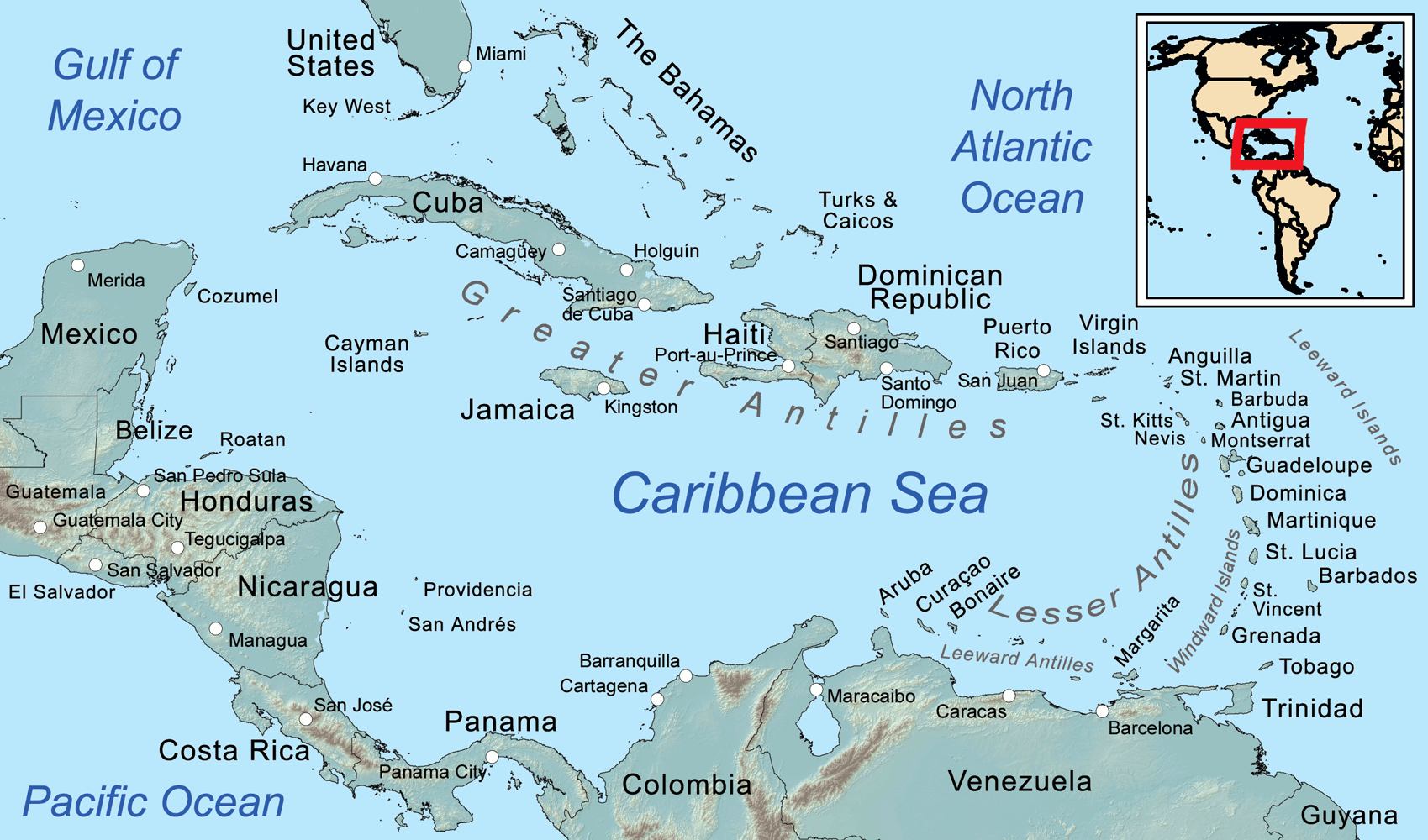
The U.S. military's campaign of lethal strikes on boats it accuses of running drugs through Caribbean and Pacific waters has killed at least 227 people in 68 strikes since it began nearly a year ago, after two more vessels were destroyed this week off Latin America. The latest strike, on Aug. 25 in the Caribbean, killed four people the Pentagon again described only as "narco-terrorists," without naming them, their nationalities, or releasing evidence tying them to trafficking.
U.S. Southern Command said Joint Task Force Western Hemisphere carried out the strike against a "go-fast vessel" operating on an "established narco-trafficking route." Two days earlier, a separate strike in the Eastern Pacific killed two more people, the first strike in that ocean in more than two months, according to Al Jazeera's reporting on the operation. In both cases, the military released only brief video clips of a boat being destroyed and did not disclose how targets are selected.
The numbers
The campaign has grown steadily since President Trump ordered the first strike on Sept. 2, 2025, killing 11 people aboard a boat the administration said had left Venezuela. Independent tallies kept by news organizations and human rights groups put the running total, as of this week, at 227 dead across 68 strikes — a toll that has climbed from 196 killed in roughly 60 strikes when Amnesty International last published a count in late May. October 2025 remains the single deadliest month, with 45 people killed in 11 strikes. The U.S. military does not release its own cumulative figures.
- 227 people killed in at least 68 strikes since Sept. 2, 2025
- Two strikes this week alone killed six people, in the Caribbean and Eastern Pacific
- No names, nationalities or evidence of trafficking have been made public for the vast majority of those killed
How the campaign took shape
The administration has framed the strikes as part of an armed conflict with drug cartels it has designated terrorist organizations, arguing that this framing treats vessels suspected of smuggling narcotics as legitimate military targets rather than subjects for law enforcement and prosecution. Gen. Francis L. Donovan, the SOUTHCOM commander, said after the Aug. 25 strike that "Joint Task Force Western Hemisphere continues executing precise, lethal operations against the cartels" and that the command "will hunt, disrupt, and defeat these narco-terrorist networks."
The strikes have run alongside a much larger U.S. military buildup in the region that, at its peak last November, included Navy destroyers and the aircraft carrier Gerald R. Ford stationed off Venezuela's coast under what the Pentagon calls Operation Southern Spear. That buildup preceded the January raid in which U.S. forces captured then-President Nicolás Maduro and flew him to New York to face narco-trafficking charges — a watershed the administration has cited as vindication of its broader approach to the region, even as the boat strikes have continued on their own, largely unchanged, month after month since. SOUTHCOM has not said how many of the 227 people killed were Venezuelan, Colombian, Trinidadian or of other nationalities, nor has it said how targets are distinguished from ordinary fishing or transport traffic before a strike is authorized.
That justification has been repeatedly challenged by United Nations officials. U.N. High Commissioner for Human Rights Volker Türk said last October that the strikes appeared to violate international law, since lethal force at sea is lawful only against people who pose an imminent threat to life — a standard he said the administration had not shown was met.
"Based on the very sparse information provided publicly by the US authorities, none of the individuals on the targeted boats appeared to pose an imminent threat to the lives of others or otherwise justified the use of lethal armed force against them under international law," Türk said, calling for prompt, independent investigations.
The warnings began even earlier. U.N. Assistant Secretary-General Miroslav Jenča told the Security Council in early October that any use of force against trafficking must respect human rights standards and comply with the U.N. Charter, when the toll stood at just 21 dead. A group of independent U.N. experts went further weeks after that, warning that the repeated, systematic pattern of strikes could amount to unlawful killings ordered by a government and might rise to the level of international crimes. Amnesty International has since escalated its own language, describing the campaign as "murder as policy." Amanda Klasing, the group's National Director for Government Relations in the U.S., said "with nearly 200 killings, these extrajudicial killings are becoming normalized," adding that Congress "has so far failed to halt, or even slow down, this lethal and unlawful campaign."
Who is affected
SOUTHCOM has consistently declined to identify people killed in the strikes, but families in Trinidad and Tobago have stepped forward to challenge the "narco-terrorist" label attached to their relatives. Chad Joseph, 26, and Rishi Samaroo, 41, were among six men killed in an Oct. 14, 2025 strike on a vessel their families say was simply carrying them home from informal farm work in Venezuela to the fishing village of Las Cuevas. Their relatives, backed by the American Civil Liberties Union and the Center for Constitutional Rights, filed the first legal challenge to the campaign, arguing the government's claims about the men were unsubstantiated. "This was a premeditated and intentional killing outside of the context of war, which makes it murder, plain and simple," ACLU attorney Jeffrey Stein said of the strike.
The Caribbean nation most exposed to the campaign has been divided over it. Trinidad and Tobago's police opened an investigation after the October strike killed two of its citizens, even as Prime Minister Kamla Persad-Bissessar publicly cheered the broader operation, saying, in remarks reported by PBS NewsHour, that "the U.S. military should kill them all violently," citing the toll cartel violence has taken on her country. Colombian President Gustavo Petro has taken the opposite position, calling a separate strike "murder" and accusing Washington of violating regional sovereignty. Most other governments in the region have avoided formal statements while voicing private unease at the scale of the U.S. naval buildup in waters they consider their own.
Reaction
Rights groups say the pattern is now well established enough to draw firm legal conclusions, and describe the operation with a bluntness rarely applied to a standing U.S. military campaign, arguing it amounts to a sustained killing spree carried out with almost no public accounting, noting that the administration has yet to identify a single victim by name in an official release. Coverage of the Aug. 25 strike by CBS News noted that, as with nearly all strikes in the campaign, the Pentagon offered no evidence beyond its own assertion that intelligence confirmed the vessel's involvement in trafficking. The U.N.'s own account, carried by the United Nations' regional office for the Caribbean, has not been publicly answered point by point by the administration, which maintains that its legal authority derives from the president's determination that the United States is in an armed conflict with cartel networks.
What happens next
The campaign is approaching its one-year mark in early September with no sign of slowing; SOUTHCOM's new Joint Task Force Western Hemisphere, which Gen. Donovan has said was created specifically to "accelerate, synchronize, and execute" the strikes, carried out two operations in the space of three days this week alone. The Joseph and Samaroo families' wrongful-death case is now moving through U.S. courts, the first real test of whether the strikes can be challenged legally rather than only politically. Congress has taken no binding action to require additional oversight of targeting decisions or to compel the release of evidence, and the U.N.'s call for independent investigations remains unanswered by Washington. Officials have described the operation as an open-ended element of U.S. policy toward regional drug-trafficking networks, and none has said publicly what would bring it to a close. Absent a change of policy, human rights groups expect the death toll to keep climbing at roughly the pace it has all year — a handful of people, and a fresh diplomatic strain with at least one Caribbean or Latin American government, every few weeks.

Japan denies spying charge as Tokyo presses Russia for access to detained reporter

Iran sinks two more ships in Strait of Hormuz as war enters ninth month

Ukrainian Ex-Officer Goes on Trial in Germany Over Nord Stream Pipeline Blasts
