Von der Leyen Proposes EU-Wide Social Media Ban for Under-13s, Floats Canada as Associate Member
In her annual State of the Union address, the European Commission president unveiled a child-safety law and called for a new security council including the UK and Ukraine.
European Commission President Ursula von der Leyen used her annual State of the Union address on Wednesday to propose banning social media access for children under 13 across the European Union and to float Canada as the bloc's first associate member, framing both moves as responses to what she called "an openly hostile world."
Speaking before the European Parliament in Strasbourg, von der Leyen unveiled the EU Kids Act, a legislative proposal that would bar platforms from giving accounts to children under 13, require "mini accounts" linked to a parent's profile for those aged 13 to 15, and set an EU-wide minimum age of 15 for a minor to open an independent social media account. The proposal also reverses the usual burden of proof, requiring platforms to demonstrate their services are age-appropriate and safe by design rather than leaving parents and regulators to prove harm after the fact.
Guarding children online
Under the plan, mini accounts for young teenagers would come with built-in limits, including a daily screen-time cap and restrictions on who can contact the account holder. The European Commission's state-of-the-union materials describe the measure as part of a broader push to make digital services safer by default rather than relying on after-the-fact enforcement. The proposal now goes to the European Parliament and the Council of the EU, where member states will negotiate its final terms; officials gave no firm timetable for when it might take effect.
Von der Leyen paired the child-safety measure with a starker security message. She called for the creation of a "European Security Council" that would include the United Kingdom and Ukraine, arguing that the continent faces simultaneous pressures from "a territorial war of aggression," intensifying industrial competition and a "battle of narratives" aimed at eroding confidence in European institutions. She also said she wanted to open the door for Canada to become the EU's first associate member, a proposal that comes as Ottawa's relationship with Washington has cooled.
A summer of "truth"
The Commission president described the summer of 2026 as a "summer of truth" on climate change, citing figures showing roughly 660,000 hectares burned by wildfires, 12 million tonnes of crops lost and more than 35,000 additional deaths linked to heatwaves across the bloc. She used the toll to argue for accelerating the EU's climate resilience plans even as some member states push back on the pace of green regulation.
On artificial intelligence, von der Leyen warned that development could move "beyond human control" without stronger guardrails and called for a slower, more cautious approach, though according to accounts of the speech from Euronews and other outlets covering the address, she offered few concrete regulatory proposals to go with the warning.
Reaction to the speech split along familiar lines. Coverage from France 24 noted that the security council idea drew cautious interest from EU diplomats wary of duplicating NATO's role, while child-safety advocates welcomed the Kids Act as the most sweeping EU effort yet to restrict minors' access to social platforms. Business groups, meanwhile, signaled they would scrutinize the compliance burden the age-verification requirements would place on platforms. A rundown of the address from the Parliament Magazine noted that the Canada proposal, in particular, caught many Brussels officials off guard, since it had not featured in pre-speech briefings.
Both the Kids Act and the security council proposal require unanimous or qualified-majority backing from EU governments to advance, a process that typically takes months and often longer for measures touching digital regulation. Officials said further detail on both initiatives, including the legislative text of the Kids Act, is expected in the coming weeks.

Yemen's collapsing truce sends 100,000 people fleeing as Houthis seize Red Sea coast

U.S. Clears $24.3 Billion F-35 Sale to Saudi Arabia, Testing Israel's Military Edge
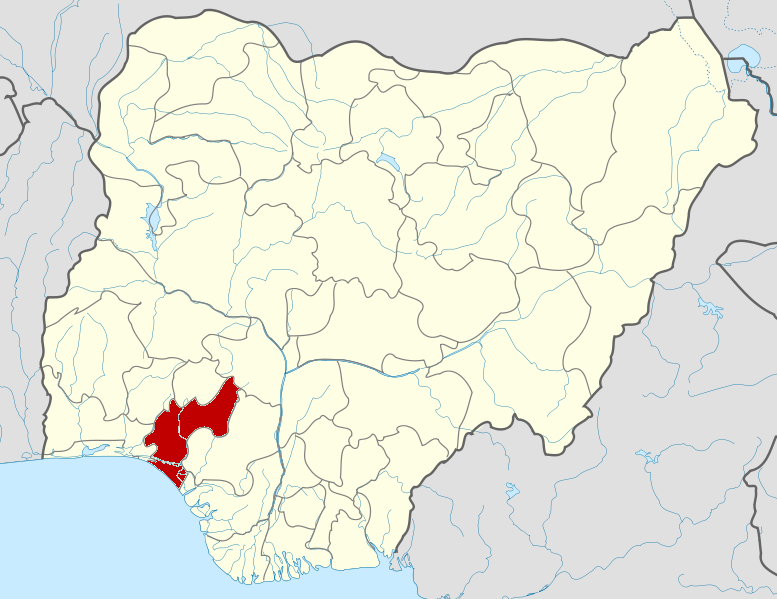
Toxic home-brewed gin kills at least 49 in southwestern Nigeria
