Yemen's collapsing truce sends 100,000 people fleeing as Houthis seize Red Sea coast
A four-year lull in Yemen's civil war has given way to its fiercest fighting since 2022, displacing more than 57,000 children in two weeks and handing Houthi forces command of a strait that carries a tenth of world trade.

A four-year lull in Yemen's civil war has collapsed into the country's heaviest fighting since 2022, driving more than 104,000 people from their homes in two weeks and handing Iran-backed Houthi forces control of the entire Red Sea coastline, including a strait that carries roughly a tenth of the world's seaborne trade.
The renewed offensive, which the Houthis launched against the Saudi-backed Presidential Leadership Council in early September, has produced the fastest wave of displacement Yemen has recorded in years. The United Nations children's agency said this week that more than 57,000 children were forced from their homes in the fortnight since fighting intensified, on top of a population that was already among the most malnourished on earth. Houthi units, meanwhile, have pushed government forces out of the port city of Mocha and the island of Mayyun, giving the group effective command of the Bab al-Mandeb strait for the first time in the war.
The numbers
The United Nations migration agency's Displacement Tracking Matrix recorded 46,000 people uprooted in the first days of the escalation, a figure that more than doubled within a week. By September 16 the total inside Yemen had climbed past 104,000 people across roughly 17,500 households, according to the International Organization for Migration's tally of the escalating fighting. Taiz governorate has absorbed the brunt of it, with more than 63,000 people displaced from its districts, the hardest hit being Jabal Habashi and Al Ma'afer. Roughly 2,000 people, many of them children, have made the dangerous sea crossing to Djibouti.
UNICEF's count of children displaced, 57,000 in two weeks, sits inside a population it says was already in crisis: 12.2 million Yemeni children needed humanitarian aid before this round of fighting began, 2.2 million under five are acutely malnourished, and more than 515,000 face severe acute malnutrition. Since September 3, at least nine children have been killed and 12 injured in an attack on the road linking Yemen's western coast to Aden, with three more reported missing. The agency says 243 schools have closed or suspended classes, affecting more than 137,000 students, and that 26 of the health facilities it supports have had services disrupted. Separately, displacement camps around Taiz are reported to be overflowing as families arrive with little more than what they carried out.
How the truce unraveled
Yemen's war, which pits the Iran-aligned Houthi movement, also known as Ansar Allah, against the internationally recognized government and its Saudi-led military backers, had been largely frozen since a United Nations-brokered truce took hold in 2022. Sporadic fighting resumed over the summer, but the current offensive opened on September 3, when Houthi units attacked Presidential Leadership Council positions in Taiz, quickly spreading to al-Jawf, al-Bayda, Marib and the Hodeidah coast.
The turning point came the following week. Houthi forces seized Mocha, the Red Sea port that gave the world's coffee trade its name, and then overran the island of Mayyun in the middle of the Bab al-Mandeb strait, the chokepoint separating the Red Sea from the Gulf of Aden. The advance put Houthi fighters within sight of the African coast and left the group in a position to threaten any vessel transiting the strait, a route that normally carries roughly 12 percent of global trade. Shipping lines have continued rerouting vessels around the Cape of Good Hope, adding more than 20 days to voyages and raising freight costs, a pattern that has held since the group first targeted Red Sea shipping earlier in the war.
The Presidential Leadership Council, led by Rashad al-Alimi, has claimed gains of its own in al-Jawf, al-Bayda, Taiz and Hodeidah, and its chairman has said the campaign will continue "until state institutions are restored and their authority extends over the entire territory of Yemen." Saudi Arabia has stepped up air support for those government-aligned forces, while Houthi missile and drone fire has struck Saudi cities including Abha, Khamis Mushait, Jazan and Najran; an exchange of attacks between the two sides this week left several people dead on both sides of the border, according to regional reporting.
Who is being hit hardest
Civilians in Taiz, Hodeidah, Marib and along the western coast road are bearing the immediate cost. Aid officials describe families fleeing for a second or third time in the same conflict, arriving in already-strained host communities with no shelter, food or water secured. Telecommunications outages in some of the newly contested areas have slowed both the count of the displaced and the delivery of aid, and IOM says its own emergency stockpiles, already depleted by a flood response earlier this year, are struggling to keep pace.
"Families are being forced to flee for the second or third time in this conflict, with almost nothing left," said Amy Pope, IOM's director general.
UNICEF's regional director, Edouard Beigbeder, framed the toll in similar terms, saying children in Yemen "were already living through one of the world's most grave humanitarian crises" and that the new violence "erodes what little stability remains." The agency says it is expanding its emergency response to reach 231,000 people, deploying mobile health and nutrition teams to displacement sites in Aden, Marib and Taiz and distributing water and hygiene supplies to newly arrived families.
Beyond Yemen's borders, the seizure of the Red Sea coast has widened the circle of countries affected. Shipping nations and insurers are again pricing in the risk of transiting the strait, and Saudi Arabia now finds itself defending its own southern cities against Houthi fire even as its aircraft strike Houthi positions inside Yemen.
What officials are saying
The UN's special envoy for Yemen, Hans Grundberg, has warned repeatedly that the country risks sliding back into full-scale war. In an August statement issued from Amman, he said a diplomatic path remained available, but that it "will require political will, difficult choices and genuine engagement from the parties." Since the Mocha and Mayyun seizures, the Security Council has convened twice in less than a week, and a UN assistant secretary-general told members that the advance toward the strait raises the risk of a wider regional conflict. A separate UN News account of the humanitarian toll noted that the displacement figures were still rising as of this week and that aid agencies expect them to climb further.
Houthi officials have defended the offensive as a defense of Yemeni sovereignty against the Saudi-backed government, while al-Alimi's government has cast the Red Sea losses as temporary, telling foreign diplomats, including France's ambassador to Yemen, that it intends to reverse them. Iran's foreign ministry has said the Houthis "make their decisions independent of Tehran," even as Iranian officials have publicly praised the group's advances.
What happens next
With Houthi forces holding the coast and government troops claiming momentum inland, neither side shows an immediate appetite for the ceasefire Grundberg has been pressing for. The Security Council is expected to keep meeting on the crisis as long as the fighting threatens Red Sea navigation, and diplomats say further emergency sessions are likely if Houthi forces attempt to use their new coastal positions to threaten shipping directly, rather than through occasional missile and drone fire as in the war's earlier phases.
On the humanitarian side, UNICEF and IOM say their response plans depend on access that the fighting itself keeps disrupting; both agencies say the population in need will keep growing for as long as front lines keep shifting. For the moment, the practical test of whether Yemen's truce can be salvaged, or whether the country is settling into a new phase of war, is likely to be measured in the same way it has been for the past two weeks: in how many more families the fighting forces from their homes.
UNICEF — Renewed hostilities in Yemen push over 12 million children deeper into crisis
IOM — Displacement in Yemen alarmingly surges amid escalating fighting
UN News — Yemen escalation displaces more than 57,000 children: UNICEF
Al Jazeera — Taiz camps overflow with Yemenis fleeing fighting after Houthi offensive

U.S. Clears $24.3 Billion F-35 Sale to Saudi Arabia, Testing Israel's Military Edge
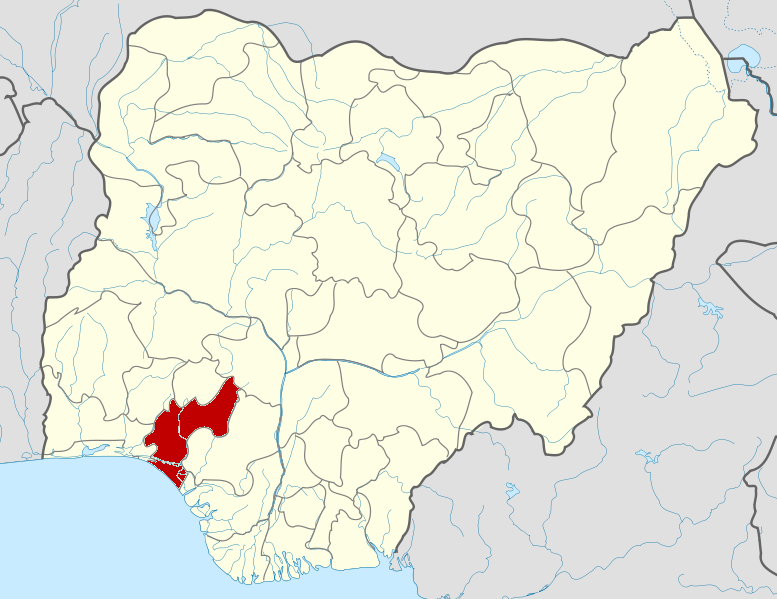
Toxic home-brewed gin kills at least 49 in southwestern Nigeria
