CVS Health to split into two public companies, separating insurance and pharmacy-benefits business from drugstores
The company said it will divide into a health-insurance and pharmacy-benefits company retaining the CVS Health name and a new retail entity called CVS Pharmacy, unwinding the strategy behind its 2018 acquisition of Aetna. Shares fell roughly 10% as the plan was unveiled alongside third-quarter earnings.
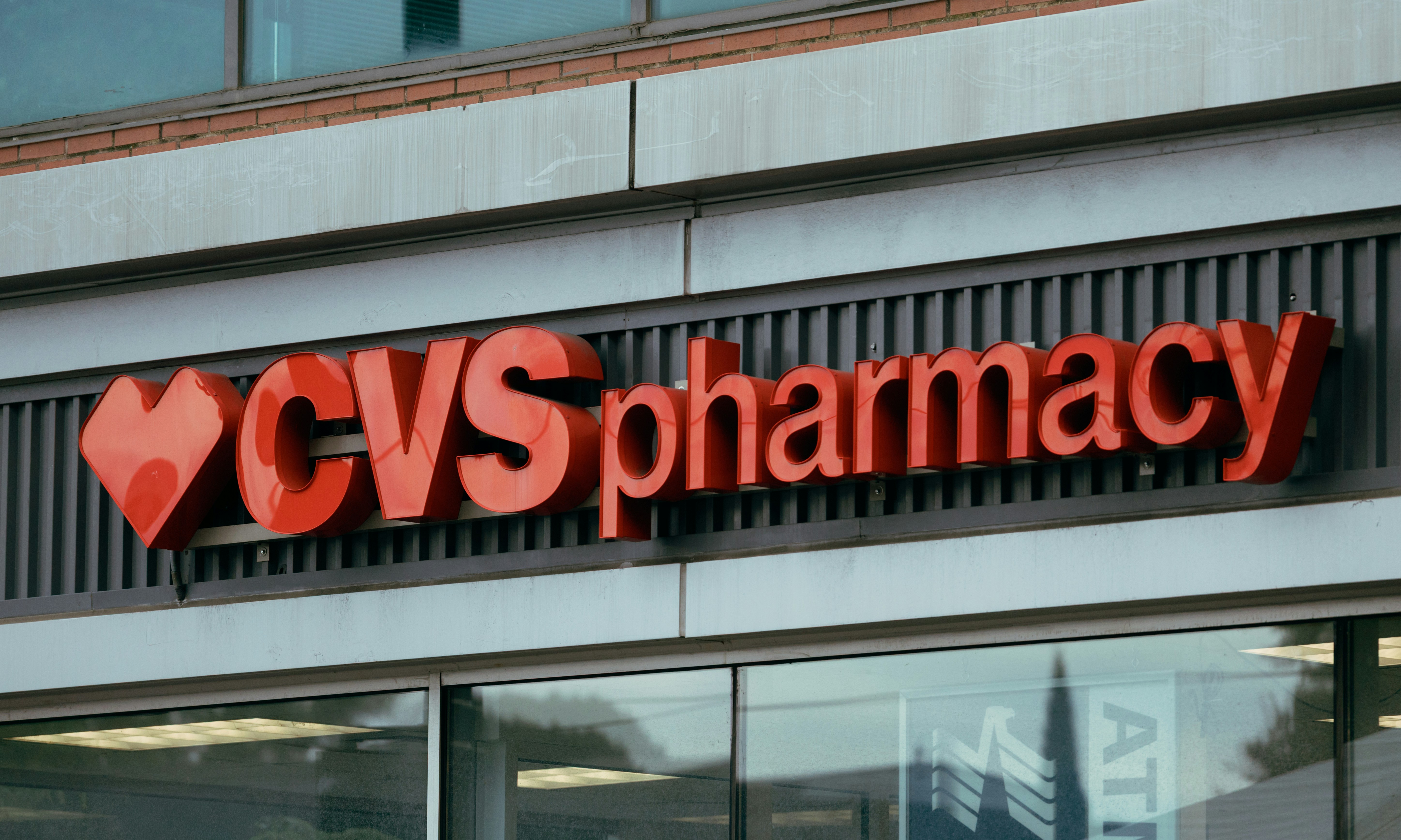
CVS Health Corp. said on Wednesday that it plans to split into two independent, publicly traded companies, unwinding nearly two decades of acquisitions that built it into one of the largest integrated health-care businesses in the United States. The announcement, disclosed in a filing with the Securities and Exchange Commission, came the same morning the company reported third-quarter results.
One company will combine CVS's health-insurance and pharmacy-benefits operations — Aetna, CVS Caremark, CVS Specialty, Oak Street Health and Signify Health — and will keep the CVS Health name on an interim basis. The second, to be called CVS Pharmacy, will hold the company's roughly 9,000 retail drugstores, its mail-order pharmacy, MinuteClinic urgent-care locations and the Health100 technology platform. David Joyner, the current chairman and chief executive, will lead the health-insurance company; Prem Shah, currently a group president, will become chief executive of CVS Pharmacy.
"We're basically taking what I believe is one great company and making it two," Joyner said, according to a report carrying his remarks on the announcement.
The numbers
CVS Health shares fell about 10% in early trading Wednesday after a brief premarket gain, giving back part of a roughly 15% gain the stock had posted for the year to date. The company's quarterly report filed with the SEC showed third-quarter revenue of $108.4 billion and net income attributable to CVS Health of $2.17 billion, or $1.68 a diluted share. The company also raised its full-year 2026 earnings guidance in a release issued alongside the separation news.
Under the terms disclosed in the press release attached to the SEC filing, current CVS Health shareholders will receive stock in both resulting companies through a transaction the company intends to structure as tax-free for U.S. federal income tax purposes. Each company is expected to carry an independent capital structure, investment-grade credit and its own dividend. The separation is targeted to close in the first half of 2028, subject to final board approval, the effectiveness of a Form 10 registration statement with the SEC, and confirmation of the tax treatment. CVS said Goldman Sachs and Consello are serving as financial and strategic advisers and Wachtell, Lipton, Rosen & Katz as legal counsel, according to the filed press release.
Reversing a strategy built over two decades
The breakup unwinds a corporate structure CVS spent years assembling. The company, originally a chain of Consumer Value Stores founded in Lowell, Massachusetts, merged with pharmacy-benefits manager Caremark Rx in 2007, a deal that gave rise to the "vertical integration" model CVS pursued for the next decade. It deepened that strategy in 2018 by acquiring health insurer Aetna for roughly $69 billion, combining drugstores, a pharmacy-benefits manager and an insurer under one corporate roof for the first time among major U.S. health companies.
That structure has drawn sustained criticism in Washington. Lawmakers and regulators have argued that combining pharmacy-benefit managers, insurers and pharmacies in one company lets firms steer patients and reimbursement in ways that raise costs and squeeze independent pharmacies. According to CVS's own quarterly disclosures, the Federal Trade Commission brought an administrative case in September 2024 against the three largest pharmacy-benefit managers, including Caremark; CVS and the FTC announced a proposed settlement of that matter in July 2026, which remains pending final agency approval. The filings also disclose that CVS is appealing a $291 million judgment from a False Claims Act case, Behnke v. CVS Caremark, and faces a newer class action alleging Caremark failed to pass manufacturer payments through to clients, along with separate inquiries from the Justice Department, the Department of Health and Human Services and several state attorneys general.
Who is affected
- CVS Health shareholders, who will receive shares of both resulting companies and are absorbing Wednesday's roughly 10% share-price decline.
- Roughly 200,000 CVS store employees, including about 30,000 pharmacists, across some 9,000 pharmacy locations and about 800 MinuteClinic sites, none of which the company said would close as part of the plan.
- Aetna's health-insurance members and Caremark's pharmacy-benefit clients, who will become customers of the standalone health-insurance and benefits company.
- Independent and competing pharmacies and pharmacy-benefit managers, who have pushed for exactly this kind of separation on antitrust and pricing grounds.
Reaction and what comes next
Wall Street's initial reaction was mixed. Michael Cherny, an analyst at Leerink Partners, said CVS's retail pharmacy business has struggled as shoppers shift purchases online, where the chain still trails Amazon, a dynamic that will weigh on the standalone CVS Pharmacy regardless of the corporate structure, according to the same report.
"We're basically taking what I believe is one great company and making it two," said David Joyner, CVS Health's chairman and chief executive.
CVS said it will continue operating as usual — serving customers, filling prescriptions and working toward its 2026 financial targets — while the separation proceeds over roughly the next 18 months. The company said it would name additional executives and board members for both entities, and disclose further financial and structural detail, as the process advances toward the Form 10 filing required before the split can close. Completion remains contingent on several conditions, including market conditions and regulatory sign-off, that the company's own filings caution could delay or complicate the timeline.
Celsius Holdings posts record quarterly revenue as Alani Nu offsets a shrinking core brand

Uber's gross bookings rise 20% to $59.8 billion, even as net income tumbles

Shopify's revenue jumps 32% as holiday spending plans unsettle investors
