U.S. economy grew 3.4% in third quarter, fastest pace in two years
The government's first estimate showed growth accelerating from the spring, even as inflation and unemployment both ticked higher just days before the midterm elections.

The U.S. economy grew at a 3.4% annualized rate in the third quarter, the government's first estimate showed Thursday, a sharp pickup from the spring that comes just days before the midterm elections and alongside fresh signs that inflation has not fully cooled.
The advance estimate from the Bureau of Economic Analysis put real gross domestic product growth well above the second quarter's 2.2% pace. The agency attributed the gain mainly to stronger consumer spending on both services and goods, led by health care, food services and prescription drugs, along with a buildup in private inventories led by wholesale trade and manufacturing. Real final sales to private domestic purchasers, a gauge economists watch for underlying demand, rose 4.9%, up from 4.6% in the prior quarter. Trade acted as a drag: exports fell, led by petroleum products, while imports of capital goods rose.
Inflation and jobs data complicate the picture
The growth figure arrived the same morning as the Commerce Department's Personal Income and Outlays report for September, which showed the Federal Reserve's preferred inflation gauge, the personal consumption expenditures price index, rose 3.6% from a year earlier. Core PCE inflation, which excludes food and energy, ran at 3.1% annually. Both figures remain well above the Fed's 2% target. Personal income rose a modest 0.2% for the month, while spending climbed 0.5%, outpacing income growth.
Separately, the Bureau of Labor Statistics' most recent employment report showed the unemployment rate ticked up to 4.2% in September, from 4.1% in August, a small but closely watched shift as both parties argue over the economy's trajectory heading into Tuesday's elections.
Thursday's GDP figure is the Commerce Department's "advance" estimate, built on incomplete source data and subject to revision. The government's own release schedule shows the second estimate, along with corporate profits data, is not due until November 25, meaning Thursday's headline number could still move in either direction once more complete trade and inventory data are incorporated.
A mixed message heading into Election Day
Taken together, the data paint a picture of an economy still expanding at a solid clip — faster, in fact, than most forecasters had expected a quarter ago — but one where price pressures have not disappeared and the labor market is cooling only gradually. That combination leaves little of a clean narrative for either party to run on in the campaign's final days: strong headline growth undercuts arguments that the economy is in trouble, while persistent inflation and a rising jobless rate blunt claims of an unambiguous boom.
Economists caution against reading too much into any single quarter's number, particularly an advance estimate. Inventory swings, which contributed significantly to the third-quarter gain, often reverse in subsequent quarters, and trade figures can be volatile from month to month. The next major data points — October's jobs report and any revisions to Thursday's GDP figure — will offer a clearer read on whether the acceleration is durable or a temporary rebound after a sluggish spring.
For now, the numbers give both the White House and its critics selective evidence to cite with early voting already underway across the country and polls showing a close national environment ahead of Tuesday's vote.

Caterpillar profit surges on AI data-center demand, but shares sink on spending fears
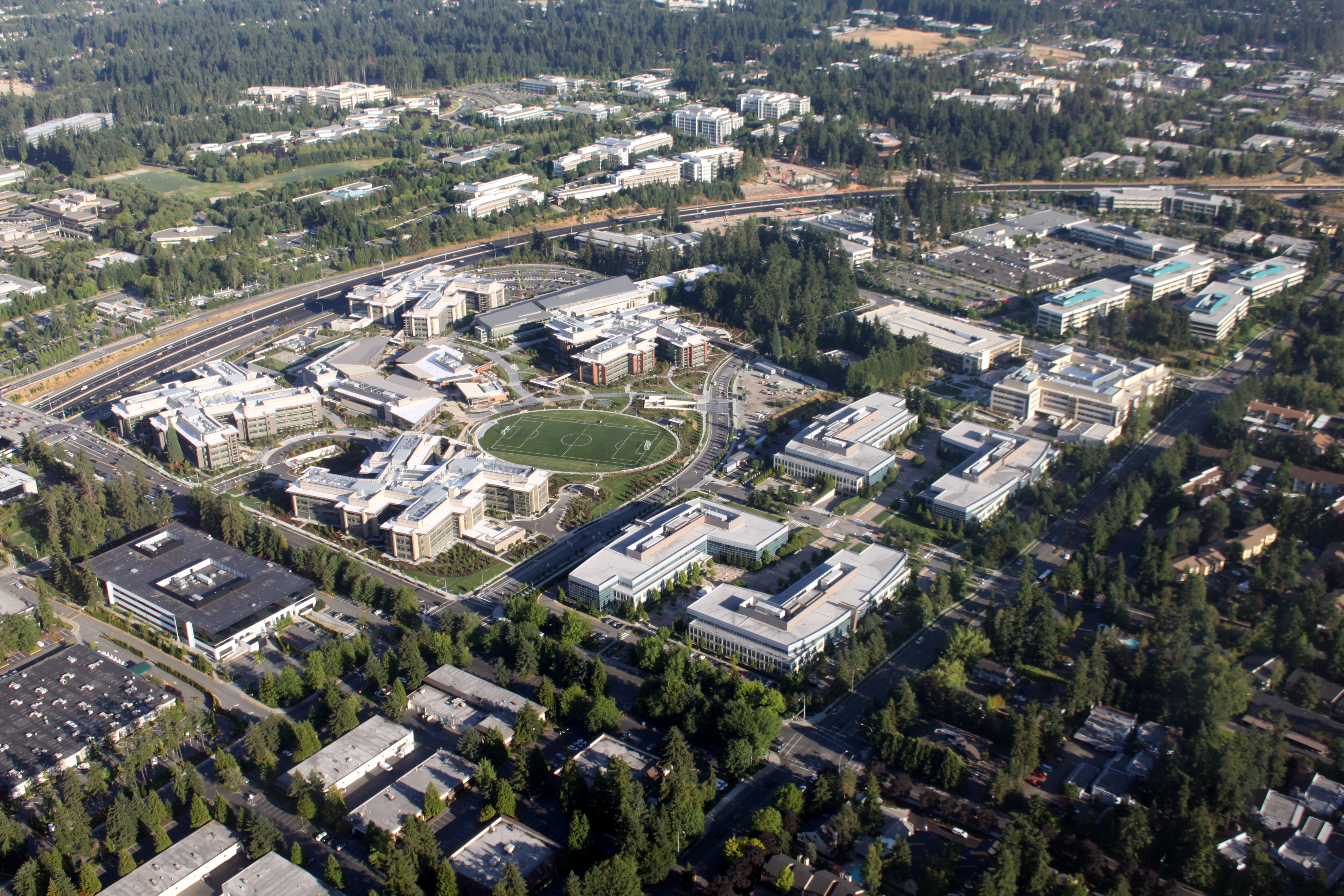
Microsoft's Cloud Surge and Spending Discipline Calm Wall Street's AI Jitters

Fed holds rates steady at 3.75%-4%, but two officials dissent for a hike
