Britax Recalls More Than 114,000 Infant Car Seats Over Handle Defect
Federal regulators say a loosening screw can let the carry handle partially detach on six discontinued Britax infant seat models, and the company says a repair kit is still being developed.
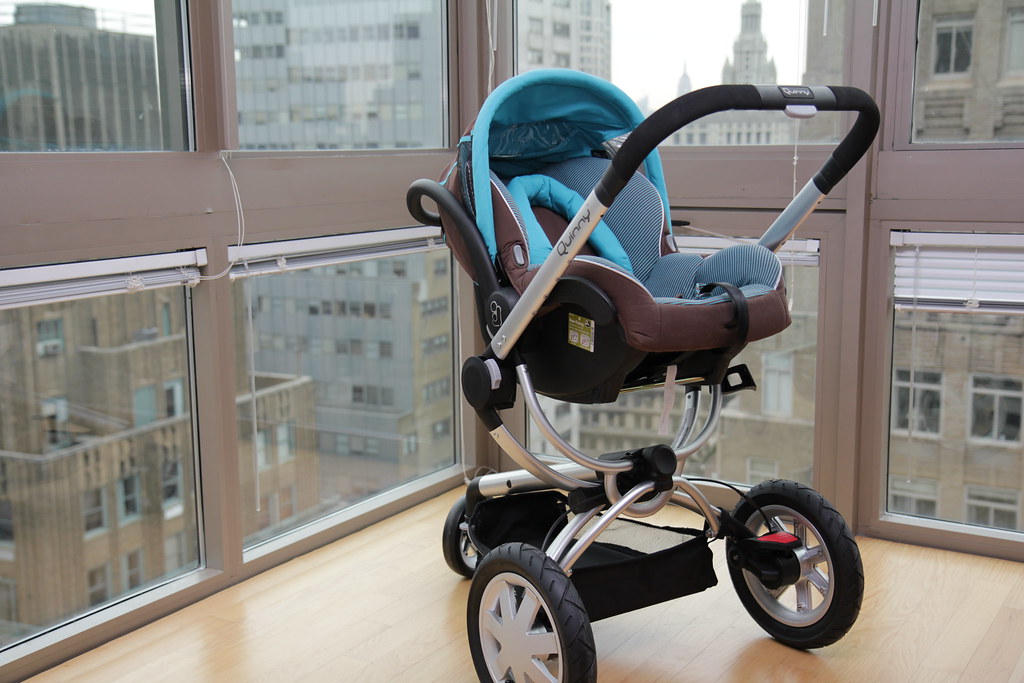
Britax Child Safety has recalled more than 114,000 infant car seats sold across the United States after finding that a screw in the carrying handle can work loose over time, allowing the handle to partially detach while a baby is strapped inside. The recall, filed with the National Highway Traffic Safety Administration on August 20 and made public the following week, covers six discontinued models built between 2020 and 2023.
Britax says the defect creates a fall hazard: if the handle gives way while a caregiver is carrying the seat outside the vehicle, an infant strapped into the harness could be dropped. The company has told regulators it is developing a repair kit but has not yet set a date for when replacement hardware will reach owners.
The numbers
The recall affects 114,660 seats, according to the report Britax filed with NHTSA. The covered models are the B-Safe Gen 2, B-Safe Gen 2 Flexfit, B-Safe Gen 2 Flexfit Plus, B-Safe 35, B-Safe Ultra and Endeavours, manufactured between August 2020 and May 2023, when Britax discontinued the line. The company estimates that roughly 1 percent of the recalled seats — on the order of 1,100 units — actually carry the loose-screw defect, though it cannot identify in advance which individual seats are affected without inspection.
Britax's filing states that it has received four reports of a handle partially detaching, each resulting in a minor injury, and no reports of serious injury. Consumer Reports, which reviewed the recall report, said those four incidents are what prompted the broader recall of the model line.
How the defect came to light
Britax told regulators the investigation began after it received a complaint on August 1 describing a detached handle mount and a minor injury to a child. The company traced the problem to a single screw that connects the carry handle to its mounting bracket on one side of the seat; with extended use and wear, that screw can loosen enough for the handle to swing free on one side rather than lock into place. Britax's remedy, once available, will add an external bracket to reinforce the connection so the screw is no longer the sole point holding the handle assembly together.
It is not the first time the company has had to address handle problems in this product line. In 2016, Britax and federal regulators announced a separate recall after the plastic carry handles on certain B-Safe 35 and B-Safe 35 Elite seats were found to crack, which could also let the handle break and the seat drop. The current defect involves a different failure mode — a loosening fastener rather than a cracking handle — but affects some of the same model names.
Who is affected
The recall applies only to seats manufactured between August 17, 2020, and May 16, 2023; Britax has since redesigned the product line, and current seats sold under the B-Safe and Endeavours names are not part of the recall. Parents and caregivers who bought one of the six listed models secondhand, received one as a hand-me-down, or have kept an older seat in service for a second or third child are those most likely to be affected, since the affected units are several years old and were discontinued before the defect was identified.
Britax is asking owners to check their seat's manufacture date, printed on a label on the underside of the shell, against the recalled range, and to register the seat with the company if they have not already done so, which is how most owners will be notified once a repair kit is ready.
"In rare cases involving extended use and wear, the carry handle may partially detach, creating a potential hazard," Britax said in the recall documentation filed with federal regulators.
What happens next
Because a repair kit is still being tested, Britax is not asking owners to stop using the seats in vehicles; NHTSA's filing notes the seats remain safe for normal use when installed and secured in a car. The interim instruction applies specifically to carrying the seat by its handle: Britax and safety advocates who have covered the recall, including ABC News, advise owners to lift an infant out of the seat before moving it any distance, rather than carrying the seat — and the child — by the handle, until the fix is installed.
Formal notification letters are expected to go out to registered owners by October 19, and Britax has said it will mail repair kits once they clear testing, at no cost to owners. In the meantime, the company has set up a dedicated customer service line, 888-427-4829, for owners who want to confirm whether their specific seat is covered or who have questions about the interim guidance. Coverage of the recall by outlets including Fox television stations around the country has emphasized that owners who have not registered their seats should do so now, since Britax has no other reliable way to reach secondhand buyers or families who received a seat as a gift.
Federal regulators log all open recalls, including this one, in NHTSA's public recall database, where owners can search by make and model or by entering a seat's date of manufacture to confirm whether it falls within the affected range. Car seats are regulated by NHTSA rather than the Consumer Product Safety Commission, since they are classified as vehicle equipment, which is why this recall runs through the agency's vehicle-safety recall process rather than a standard product recall notice.
Consumer Reports — Britax Recalls More Than 114,000 Infant Car Seats for Carry Handle Defect
ABC News — More than 114,000 Britax car seats recalled over handle defect
FOX 5 New York — Britax recalls child seats: See what models have been recalled
National Highway Traffic Safety Administration — Recall campaign 26C006

Trial Finds Glucose Monitors Help Diabetes Patients Who Don't Use Insulin, Reopening Insurance Debate

ACOG issues first full menopause treatment update since 2014, strengthens hormone therapy recommendation

Social Security benefits to rise 3.6% in 2027, the largest increase in four years
