CMS locks in permanent rules for Medicare's drug price negotiation program
A final rule issued Thursday converts the Medicare Drug Price Negotiation Program from year-to-year federal guidance into standing regulation, as the agency prepares to select up to 20 more drugs for a fourth round of price talks by February 2027.

The Centers for Medicare & Medicaid Services on Nov. 5 finalized a rule that converts the Medicare Drug Price Negotiation Program from a system run on annual federal guidance into one governed by standing regulation, locking in a central piece of the 2022 Inflation Reduction Act more than three years after the government began selecting high-cost drugs for price talks.
The rule applies to negotiations beginning with prices that take effect in 2029, and it does not change prices already set for 2026 or 2027. Instead, it rewrites the operating rules for every negotiation cycle that follows, replacing a process that until now has been built anew each year through sub-regulatory guidance documents.
"President Trump directed us to lower drug costs for Americans using every tool at our disposal," CMS Administrator Dr. Mehmet Oz said in the agency's announcement, adding that the rule gives CMS "additional tools" to negotiate savings for taxpayers and beneficiaries.
What the rule changes
CMS says it must identify up to 20 additional negotiation-eligible drugs, covered under Medicare Part B, Part D or both, by Feb. 1, 2027, for what would be the program's fourth negotiation cycle, according to the final rule published in the Federal Register. The same deadline covers any drugs selected for renegotiation of a previously set price.
Beyond the selection timeline, the rule finalizes several specific policy changes:
- It closes what CMS calls a formulation loophole, allowing the agency to treat certain "fixed combination" drugs as new versions of an existing medicine, which officials say prevents manufacturers from shifting patients onto reformulated products to avoid an already-negotiated maximum fair price.
- It implements a statutorily required floor price for a subset of small biotechnology drugs, barring CMS from offering or accepting a counteroffer below that floor for the 2029 and 2030 pricing cycles.
- It codifies two Part D requirements: insurance plans must include any selected drug with an active negotiated price on their formularies, and the amount plans pay pharmacies and other dispensers is capped at the negotiated price plus allowable dispensing fees.
CMS has also posted an implementation timeline and a running list of selected drugs and negotiated prices on its website.
Three years of negotiations, in context
The program began selecting drugs in 2023 under rules CMS first proposed in a June 12, 2026 proposed rule that this week's action finalizes. The first round covered 10 drugs, including the blood thinners Eliquis and Xarelto, the diabetes drug Jardiance and the insulin Fiasp; those negotiated prices, which CMS estimated would save the program roughly $6 billion based on 2023 spending, took effect Jan. 1, 2026 with discounts off list prices ranging as high as 79 percent, according to Kiplinger's tracking of the released prices.
A second round of 15 drugs, including Novo Nordisk's semaglutide products Ozempic, Rybelsus and Wegovy, was announced in November 2025 for prices that take effect Jan. 1, 2027. AARP's chief executive, Dr. Myechia Minter-Jordan, called the second-round announcement "another significant step forward," saying the negotiated prices "will bring meaningful relief to millions of people on Medicare." The Congressional Budget Office has projected the overall negotiation program will save Medicare roughly $100 billion over a decade.
Who is affected
The rule directly concerns the roughly 53 million people enrolled in Medicare Part D, along with Medicare Advantage enrollees who get drug coverage through their plans. Drug manufacturers, particularly smaller biotechnology companies affected by the new price floor, face firmer long-term rules for how negotiations will run. Pharmacies and pharmacy benefit managers are also affected by the new cap on what plans may pay dispensers for negotiated drugs.
The rule arrives against the backdrop of a legal fight the industry has largely lost. On May 18, 2026, the Supreme Court declined, without comment, to hear appeals from six drugmakers — including AstraZeneca, Novo Nordisk, Bristol Myers Squibb, Novartis, Boehringer Ingelheim and Janssen — that had argued the negotiation program amounted to unconstitutional price controls, according to Healthcare Finance News. Lower courts had already rejected the companies' claims, and no circuit court had ruled in the industry's favor, leaving the justices with no conflicting rulings to resolve.
What's next
CMS's own timeline sets the next concrete milestones for early 2027: the list of up to 20 newly selected drugs is due by Feb. 1, manufacturers must agree to participate by late February, and pricing data is due from participating companies by March 1. Negotiations for that fourth cycle would run through 2027, with any resulting maximum fair prices taking effect Jan. 1, 2029.
The pharmaceutical industry, which has consistently opposed the program's design since its creation and pursued it through multiple federal lawsuits, had not issued a detailed public statement responding to this week's final rule as of the weekend. Industry trade groups have signaled they intend to keep pressing Congress to revisit the program's underlying statute even as the courts have left it intact.
Consumers enrolled in Medicare Part D will not see any change from this rule in their current premiums or copays; its effects are prospective, shaping drugs selected for 2029 pricing and beyond. CMS said additional guidance and an implementation fact sheet for the new rule are posted on its website alongside the broader negotiation program's regulations and policy documents.
CMS Newsroom — CMS Final Rule Strengthens Supports Lasting Drug Savings
AARP — Statement Following Announcement of Second Round of Medicare-Negotiated Drug Prices
Kiplinger — Here Are the 10 Medicare Negotiated Drug Prices
Healthcare Finance News — Supreme Court Declines to Hear Drugmakers' Challenge to Price Negotiations
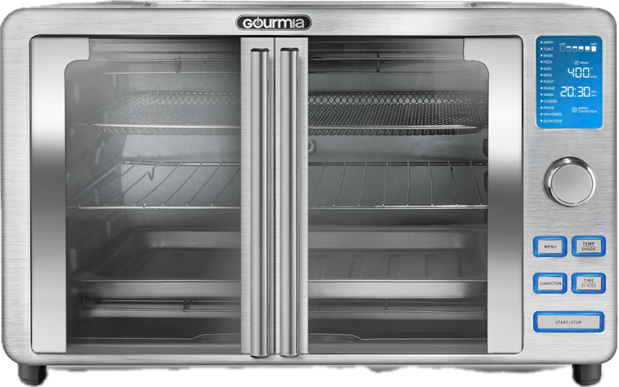
Gourmia recalls 176,000 air fryer ovens after French doors burn 40 people

FDA recall targets Brad's kale and veggie chips over possible thallium contamination

Once Upon a Farm pulls all Tractor Wheels toddler bars after choking reports
