E. Coli Outbreak Tied to California Pumpkin Patch Sickens Five, Three Children Hospitalized
San Luis Obispo County health officials say Brookshire Farms is the suspected source of a Shiga toxin-producing E. coli cluster that has put three children in intensive care; the farm has closed voluntarily as the investigation continues.
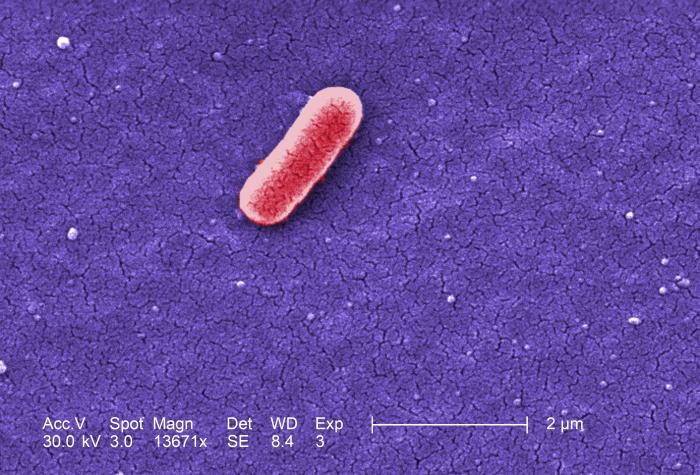
Health officials in San Luis Obispo County, California, are investigating an outbreak of Shiga toxin-producing E. coli that has sickened at least five people, including three children now in a pediatric intensive care unit, after visits to a popular pumpkin patch and corn maze. The County of San Luis Obispo Department of Public Health said Brookshire Farms, a 15-acre agritourism operation on Los Osos Valley Road, is the suspected source, and the farm closed voluntarily on Oct. 27 while the investigation continues.
What the county has confirmed
In a notice posted and then updated on Oct. 27, the county said it had confirmed five cases of Shiga toxin-producing E. coli, or STEC, infection among people who visited Brookshire Farms. The department initially described a narrow exposure window of Oct. 16 to 18, then widened it hours later, in a 4 p.m. update, to cover anyone who visited the farm between Oct. 16 and Oct. 26. The source of the bacteria inside the farm, whether animals, soil, produce or something else, has not been identified, and the county said its investigation is ongoing.
Of the five patients, two are adults and three are children, according to Tom Cuddy, the health department's public information officer, who told ABC News the children are seriously ill and hospitalized in a pediatric intensive care unit. A separate provider notice the county's health office sent to local clinicians, dated Oct. 27 and updated the following day, put the case count at four in the preceding week and said three of those were young children with confirmed hemolytic uremic syndrome, or HUS, the kidney-damaging complication that makes STEC infections especially dangerous for young children. That notice tied the illnesses to visits during the weekend of Oct. 17-18, a narrower window than the one given in the public release. County officials have not explained the discrepancy between the two counts, which is not unusual in the early, fast-moving days of an outbreak investigation as new cases are confirmed and reporting is reconciled.
Why young children are most at risk
The Centers for Disease Control and Prevention says children younger than 5 are among those at the greatest risk from E. coli infection, and that Shiga toxin-producing strains can progress to hemolytic uremic syndrome, which can cause kidney failure and, in severe cases, death. San Luis Obispo County's provider notice instructed physicians to treat any child who recently visited Brookshire Farms and presents with bloody diarrhea as a suspected STEC case and to triage immediately, warning against giving these patients antibiotics or anti-diarrheal medication, both of which can worsen the course of the illness. The county said symptoms of E. coli infection typically begin three to five days after exposure, though onset can take up to ten days, and include abdominal cramping, vomiting and diarrhea that is often bloody.
"We are working diligently to identify the source of these infections to protect the health of our community," said County Health Officer Dr. Christy Mulkerin. "We encourage anyone who may have been exposed and is experiencing symptoms consistent with E. coli infection to seek immediate medical attention."
A farm that draws families each fall
Brookshire Farms has operated a Christmas tree lot and pumpkin patch on the edge of the city of San Luis Obispo since 2012, drawing local families for hayrides, a corn maze and pumpkin picking each October. The farm is cooperating with the investigation and agreed to close voluntarily as a precaution while the county works to determine whether other visitors may be at risk, according to the department's release. The farm did not respond to a request for comment from ABC News. As of the county's most recent update, officials had not said whether animal contact, produce or another exposure route inside the farm is suspected, though a follow-up advisory issued Oct. 28 urged anyone who bought a pumpkin there to throw away any that have already been carved and to scrub uncarved ones with hot, soapy water and wash their hands afterward — a step that food-safety specialists tracking the investigation read as a sign that contaminated pumpkins, not necessarily animal contact, are now part of what investigators are examining.
The outbreak adds San Luis Obispo to a short list of agritourism sites investigating STEC clusters this autumn. A separate, unrelated outbreak at Bengtson's Pumpkin Farm in Homer Glen, Illinois, has sickened five children, four of whom were hospitalized, after visits to its petting zoo; that farm closed its animal exhibit on Oct. 23 while keeping its corn maze and rides open, and samples collected from animals and the environment on Oct. 26 are not expected back until around Nov. 5, according to reporting compiled by Food Safety News. The two investigations are not connected, but both illustrate a recurring seasonal hazard: Shiga toxin-producing E. coli can persist for months in soil and animal environments common to pumpkin patches and petting zoos, and outbreaks tied to such visits tend to cluster every fall.
What residents are being told to do
San Luis Obispo County is asking anyone who visited Brookshire Farms between Oct. 16 and Oct. 26 and who develops cramping, bloody diarrhea or other gastrointestinal symptoms to contact a healthcare provider promptly, and to mention the farm visit so a stool sample can be tested. People contacted directly by public health investigators are being asked to cooperate with requests for information to help pin down the source. The department has not said how many additional cases, if any, it is tracking beyond the confirmed five, and said only that it will share more details as they become available. The investigation's next steps, which the county has not detailed publicly, are likely to include environmental and product sampling at the farm and laboratory work to determine the specific E. coli strain involved — information that was still pending as of the most recent public update.
Bodum recalls 5.9 million French press coffee makers after burn reports
CDC says drug-resistant infections and deaths have climbed since its last full report

Taylor Farms recalls H-E-B salad kit in Texas over undeclared soy and almonds
