FDA approves Juvmo, first new class of Parkinson's drug in decades
AbbVie's tavapadon, sold as Juvmo, targets dopamine receptors no approved Parkinson's drug has selectively addressed before, giving doctors a single medication usable from early diagnosis through the motor complications that follow years on levodopa.
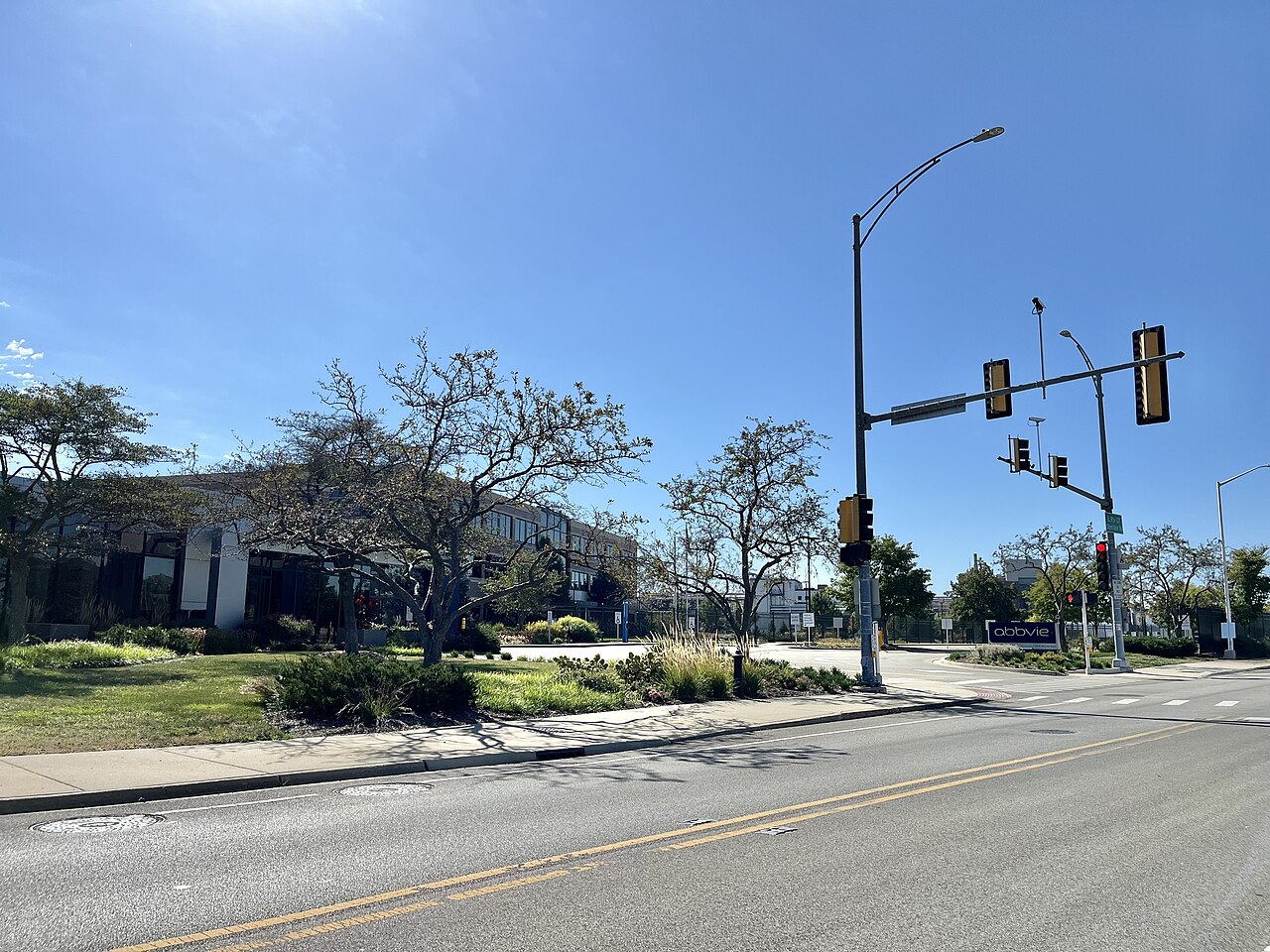
The Food and Drug Administration on Monday approved tavapadon, an oral pill AbbVie will sell under the brand name Juvmo, for adults with Parkinson's disease, giving patients and physicians the first medication in a new drug class for the condition in decades. AbbVie announced the approval and said the once-daily tablet would reach U.S. pharmacies in October.
Juvmo is a selective agonist of the D1 and D5 dopamine receptors, a mechanism distinct from the drugs that have anchored Parkinson's treatment for a generation. Levodopa, the decades-old standard therapy, and the dopamine agonists already on the market mainly act on D2 and D3 receptors and tend to lose effectiveness or produce disabling side effects, including involuntary movements called dyskinesia, as the disease progresses. "The approval of JUVMO marks the first dopaminergic breakthrough for Parkinson's disease in decades," said Roopal Thakkar, AbbVie's executive vice president of research and development and chief scientific officer, in the company's statement.
What the trials found
The approval rests on AbbVie's Phase 3 TEMPO program, which enrolled patients in three main trials plus a long-term extension. In TEMPO-1 and TEMPO-2, conducted in people with early-stage Parkinson's who had not yet started levodopa, patients on Juvmo saw daily-living scores improve by roughly 22 to 23 percent, compared with a worsening of about 12 percent among those on placebo, according to AbbVie. In TEMPO-2, combined measures of motor function and daily activity improved by 10.3 points on Juvmo versus 1.2 points on placebo.
TEMPO-3, whose full results were separately registered with the National Institutes of Health's clinical trials database, tested the drug as an add-on for people already taking levodopa and struggling with motor fluctuations — the "on" and "off" swings between smooth movement and rigidity that emerge as the disease advances. Patients who added Juvmo gained about 1.7 hours of extra "on" time per day without troublesome dyskinesia, versus 0.6 hours on placebo, and their daily "off" time fell by 1.9 hours compared with 0.9 hours on placebo. In an 85-week open-label extension of the program, AbbVie said 93 percent of patients did not need to raise their levodopa dose, and 94 percent of those who started the drug early in their disease had still not needed to begin levodopa at all.
Juvmo will be sold in 5, 10 and 15 milligram tablets, with 0.25 and 1 milligram versions for the gradual dose increase patients follow when starting the medication. The most common side effects in trial participants not taking levodopa were nausea, headache, dizziness, fatigue, altered taste, vomiting, dry mouth and anxiety; those on Juvmo together with levodopa also reported dyskinesia and hallucinations more often. AbbVie's label carries warnings common to dopaminergic drugs, including sudden drops in blood pressure, hallucinations and impulse-control problems such as compulsive gambling, eating or shopping.
A disease that outgrew its old estimates
More than 1.1 million people in the United States live with Parkinson's disease, a number the Parkinson's Foundation projects will climb to roughly 1.2 million by 2030, with close to 90,000 new diagnoses added every year — a figure the foundation's research puts about 50 percent higher than earlier estimates once undiagnosed cases and better detection are accounted for. Worldwide, AbbVie cites more than 11 million people with the disease. The foundation estimates the condition's direct and indirect costs, from medical care to lost income, at roughly $82.2 billion a year in the United States alone.
Levodopa, first brought into wide clinical use in the late 1960s, remains the most effective therapy for Parkinson's motor symptoms, but it has a well-documented shelf life: within the first year of use, AbbVie's materials note, about 70 percent of patients need their dose increased, and long-term use is linked to the on-off fluctuations and dyskinesia that TEMPO-3 targeted. Existing dopamine agonists that act on D2 and D3 receptors, such as pramipexole and ropinirole, can delay the need for levodopa but carry their own burden of impulse-control disorders and daytime sleepiness. AbbVie agreed in December 2023 to acquire the drug's originator, Cerevel Therapeutics, for $8.7 billion, completed that deal in August 2024, and filed its new drug application with the FDA a year later, in September 2025.
Who the drug is meant for
The FDA's label covers Juvmo both as an early monotherapy for patients who have not yet started levodopa and as an add-on for those already on it and experiencing motor fluctuations, giving neurologists a single drug to prescribe across two very different stages of the disease. That dual indication matters because clinicians have long faced a trade-off in early Parkinson's: starting levodopa promptly controls symptoms but can shorten the years before fluctuations set in, while delaying it with older agonists means accepting weaker symptom control and different side effects. Hubert Fernandez, a movement-disorders specialist at the Cleveland Clinic who served as global lead investigator on the TEMPO trials, said in AbbVie's statement that "now we have a novel therapy that selectively targets D1/D5 receptors, which addresses a longstanding need for innovation and provides health care providers with greater flexibility to tailor treatment to individual patient needs."
"For people with Parkinson's and their families, progress means having treatment options that deliver meaningful benefit in everyday life," said Brian Fiske, chief scientist of the Michael J. Fox Foundation for Parkinson's Research.
Reaction and what comes next
Patient advocacy groups welcomed the approval cautiously, framing it as one addition to a treatment landscape that still lacks anything that slows or reverses the underlying loss of dopamine-producing neurons. Fiske said in a statement distributed with AbbVie's release that "each therapy approval is an important milestone in building a diverse treatment pipeline needed to meet the full range of unmet needs across the Parkinson's community" — language that also underscored that Juvmo, like every Parkinson's drug on the market, treats symptoms rather than the disease's course. Motor symptoms typically do not appear until 60 to 80 percent of dopamine-producing brain cells have already been lost, a biological head start that no approved therapy yet addresses.
Parkinson's prevalence rises sharply with age and is roughly 1.5 times more common in men than women, and the Parkinson's Foundation has found the disease more concentrated in parts of the industrial Midwest, Southern California and Florida than elsewhere in the country. A single drug approved for use from an early diagnosis through the advanced motor fluctuations that follow years of levodopa treatment could, in principle, reduce the number of times patients have to switch medications as their disease progresses. AbbVie's own trial data, however, covered only 85 weeks of extended follow-up, well short of the years or decades many patients live with the disease, leaving open how durable Juvmo's benefits will prove outside a clinical trial.
AbbVie said Juvmo would become available to patients in October, and the company has pointed to co-pay assistance programs it expects will bring out-of-pocket costs to as little as $0 a month for eligible insured patients, though list pricing had not been published as of the approval. Neurologists will now decide, drug by drug and patient by patient, where Juvmo fits alongside levodopa and the older dopamine agonists — a decision the FDA's expanded label leaves largely to clinical judgment rather than dictating a fixed sequence of treatment. The approval adds Juvmo to a short list of Parkinson's drugs the FDA has cleared in 2026, a year the agency's novel drug approvals tracker shows has otherwise been dominated by oncology and metabolic disease treatments.

South Bronx Legionnaires' Cluster Grows to 23 Cases as Source Remains Unconfirmed
Pennsylvania's measles outbreak grows to 890 cases as U.S. total tops 3,600

USDA orders recall of 167,639 pounds of meat sold under a fake inspection stamp
