Pennsylvania's measles outbreak grows to 890 cases as U.S. total tops 3,600
Pennsylvania's measles outbreak has grown to 890 cases and four deaths, the state's worst in decades, as the national case count tops 3,600 and officials clash over how the death toll is being counted.
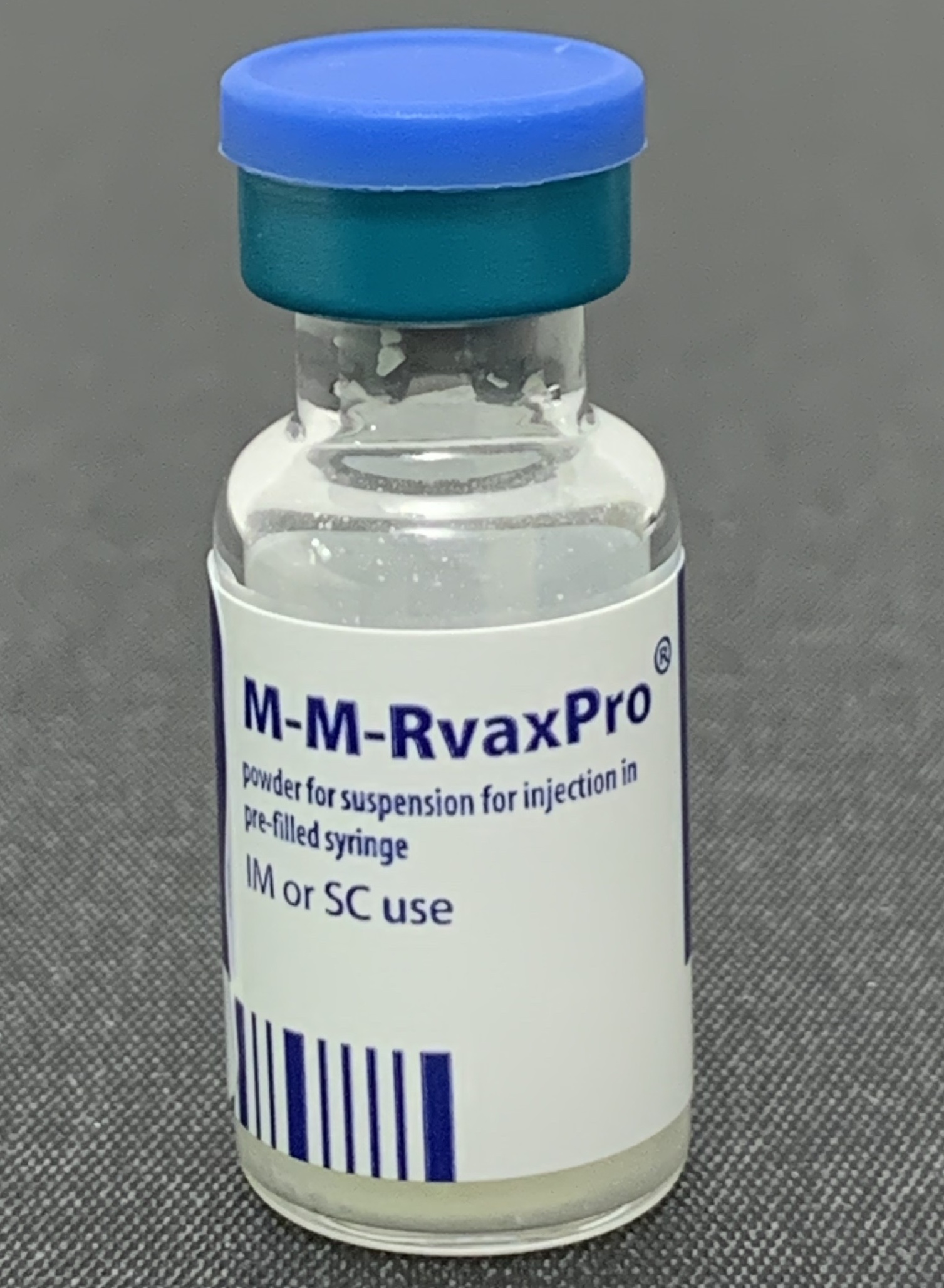
Pennsylvania's measles outbreak has grown to 890 confirmed cases across 39 counties, state health officials said this week, making it the state's largest and deadliest outbreak of the disease in decades. The update, issued by the Pennsylvania Department of Health, tallied 55 new infections in just two days, underscoring how quickly the virus continues to move through under-vaccinated communities five months after the outbreak began.
The Pennsylvania numbers are the largest single-state contributor to a national resurgence that has pushed U.S. measles cases past 3,600 for the year, according to the Centers for Disease Control and Prevention, already far exceeding the total for all of 2025 and marking the country's worst measles year in more than three decades.
The numbers behind the surge
Pennsylvania's outbreak has hospitalized 173 people and is linked to four deaths, all among unvaccinated residents, the health department said. Fewer than 1% of the state's confirmed cases — four total — occurred in people who had been fully vaccinated with two doses of the MMR (measles, mumps and rubella) vaccine.
- 890 confirmed cases across 39 Pennsylvania counties as of September 25
- 173 hospitalizations and 4 measles-associated deaths
- Lancaster County alone accounts for 359 cases; Mifflin County has 102
- 3,659 confirmed cases nationwide as of September 24, across 47 jurisdictions, per the CDC
Nationally, the CDC says 95% of this year's confirmed cases are tied to ongoing outbreaks, and 95% of patients were unvaccinated or had unknown vaccination status. The agency's vaccination guidance puts two-dose MMR effectiveness at 97%, and Pennsylvania officials reiterated that vaccination remains "the best protection against the measles virus."
How the outbreak grew
The outbreak traces back to late April, when Pennsylvania's health department identified three measles cases in Lebanon County. It spread quickly into neighboring Lancaster County, home to the country's largest Mennonite community and one of its largest Amish populations, where vaccination rates in some communities fall well below the 95% threshold public health officials say is needed to prevent sustained transmission. By late June the outbreak had grown to 84 cases; it has since multiplied more than tenfold.
Measles is airborne and can linger in a room for up to two hours after an infected person has left, and symptoms typically appear seven to 21 days after exposure. The Pennsylvania health department has warned that nearly 20% of people who contract the virus require hospitalization, and that historically one to three patients per 1,000 cases die from complications — figures that echo pre-vaccine-era mortality rates the U.S. had not seen since measles was declared eliminated domestically in 2000.
Who is getting sick
State data show the outbreak is no longer confined to young children: the largest share of Pennsylvania's cases are now among adults ages 25 to 49, followed by those 18 to 24, reflecting spread among under-vaccinated adults as well as within close-knit religious communities with historically lower immunization rates. The outbreak has also strained rural hospital systems in Lebanon and Lancaster counties, where officials have run 165 pop-up vaccination clinics since late April, administering more than 5,300 MMR doses on-site. Demand for the shot has surged more broadly, too: providers statewide gave out more than 49,000 MMR doses in August alone, compared with a typical monthly average of about 25,000, and more than 38,000 doses in the first three weeks of September, according to the health department.
A dispute over the death toll
The outbreak has also become entangled in a public dispute between Pennsylvania and federal health officials over how to count the dead. The state classifies all four fatalities as "measles-associated" deaths under its standard surveillance definition, but the CDC removed two of the deaths from its national tally after Health Secretary Robert F. Kennedy Jr. questioned whether measles had actually caused or contributed to them. Pennsylvania Health Secretary Debra Bogen warned in a letter, reported by Al Jazeera, that "the CDC's choice not to publicly recognize the deaths undermines our response," and the state has threatened to withdraw its request for CDC epidemiological assistance if the deaths aren't acknowledged. A CDC spokesperson countered that the agency "will not submit to political blackmail that conditions critical public health assistance."
Infectious disease specialists say the dispute has little basis in standard public health practice. Dr. William Schaffner, an infectious disease professor at Vanderbilt University School of Medicine, told ABC News:
"Measles is a nasty virus and highly, highly contagious — the most contagious virus we know."
Other physicians who have tracked the outbreak, including those cited by CNN in its coverage of the state's fourth measles-linked death, have said the "measles-associated" standard Pennsylvania is using is a well-established surveillance category, not a politically charged designation, and that the disagreement risks confusing the public at a moment when clear guidance matters most.
What happens next
The CDC updates its national measles count every Thursday, and Pennsylvania has been issuing fresh case tallies roughly twice a week as the outbreak continues. Public health researchers are also watching a longer-term consequence: if any U.S. state has sustained, continuous measles transmission for a full 12 months, the country risks losing the "measles elimination status" it has held since 2000, a designation from the World Health Organization that reflects the absence of endemic spread. With outbreaks still active in Pennsylvania and several other states, health researchers say that threshold could be reached before the end of the year.
For now, Pennsylvania officials are urging residents in affected counties to confirm their MMR vaccination status and to seek a first or second dose if they are not fully immunized, particularly ahead of school reopenings and holiday travel season, when indoor gatherings tend to accelerate airborne spread. Additional pop-up clinics are expected to continue in Lebanon and Lancaster counties into the fall.
USDA orders recall of 167,639 pounds of meat sold under a fake inspection stamp

Mezzetta Recalls Greek Peperoncini Lot After Viral Video Shows Pest in Jar

Salmonella Outbreak Tied to Idaho Broccoli Sprouts Grows to 32 Cases in Six States
