U.S. loses measles elimination status after 26 years, health officials confirm
The Pan American Health Organization said this week that measles has again become endemic in the United States, ending a designation the country held since 2000, as federal data show the worst year for the disease in more than three decades.
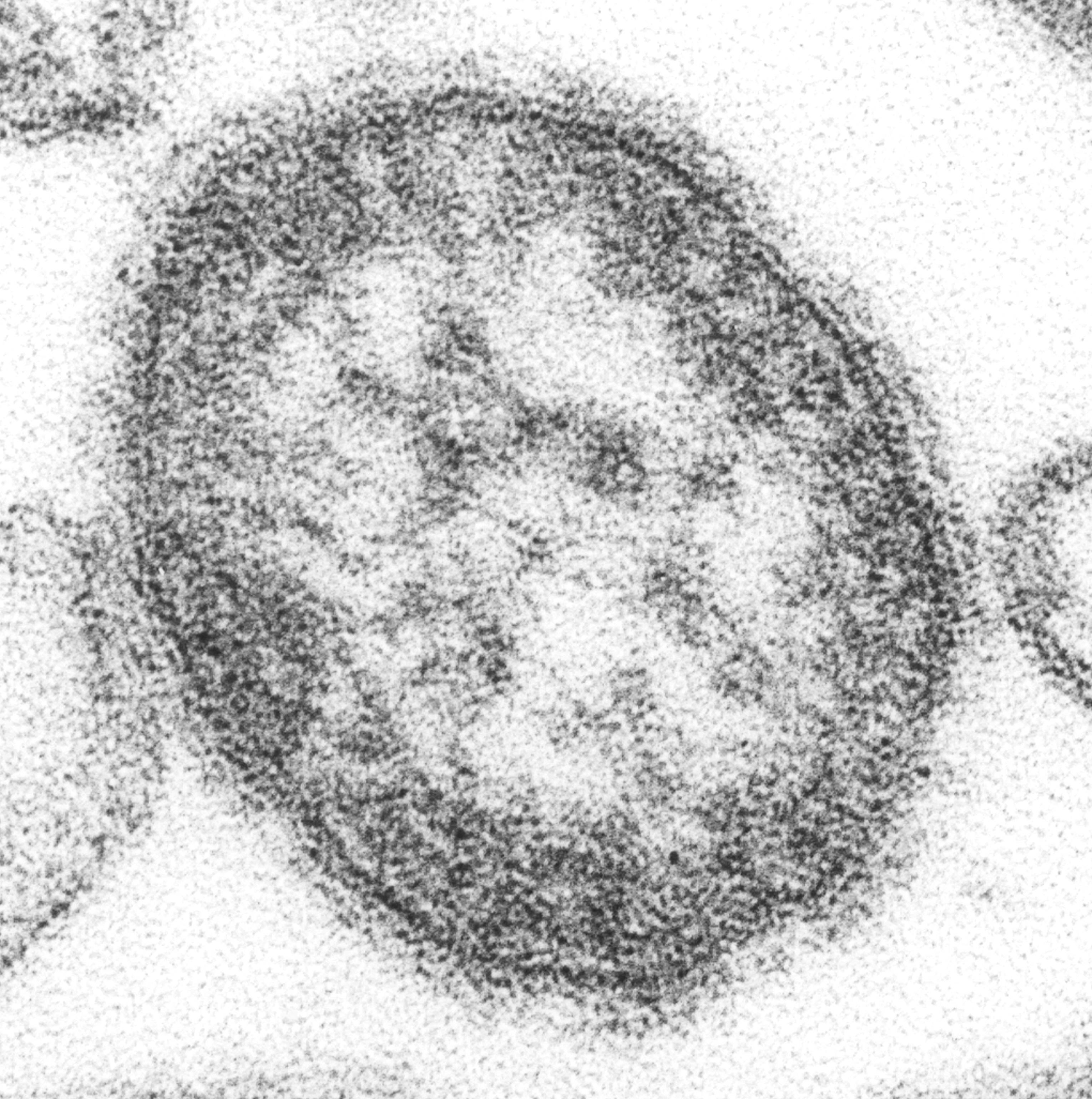
The United States has lost its measles elimination status, the Pan American Health Organization said in a statement this week, ending a designation the country had held since 2000. PAHO's independent verification commission concluded that the same strain of the virus had circulated continuously in the United States for more than a year, meeting the threshold for what public health officials call reestablished endemic transmission.
Mexico and Bolivia lost their elimination status in the same review, after an outbreak that began in Mexico's Chihuahua state and sustained transmission in Bolivia met the same 12-month standard. PAHO Director Dr. Jarbas Barbosa accepted the recommendation of the organization's Measles and Rubella Elimination Regional Monitoring and Re-Verification Commission, which met in the two weeks before the announcement.
The decision follows a year in which measles cases climbed across the country. The Centers for Disease Control and Prevention's surveillance data show 5,412 confirmed cases in 2026 through November 12, spread across 43 outbreaks in 47 jurisdictions. About 96 percent of this year's cases are linked to those outbreaks. The CDC has confirmed six measles deaths in 2026, a number the agency says is subject to change as reviews continue; news organizations tracking state-level reporting, including the Associated Press, have put the combined 2025-2026 death toll at 10 or more, several of them children.
A 12-month chain of transmission
Elimination, in PAHO's framework, does not mean a country has zero measles cases. It means the virus is not spreading continuously on its own; any outbreak is eventually traced back to a traveler and then stopped. The designation is withdrawn once the commission can show that one genetic lineage of the virus has kept circulating, uninterrupted, for 12 months or longer. The commission's findings, read out at a media briefing this week, trace the U.S. chain to an outbreak first reported in January 2025 that never fully died out before spreading further this year, most significantly in Pennsylvania.
The loss is largely symbolic in the near term; it does not trigger travel restrictions or alter clinical guidance. But it ends a streak public health officials had cited for a generation as evidence that the MMR vaccine program had essentially solved the disease in this hemisphere. Canada lost the same status in November 2025 and has not yet regained it. Across the Americas as a whole, PAHO counted 58,213 confirmed cases and 82 deaths as of November 13, compared with roughly 12,800 cases over the same period the previous year.
Vaccination rates have slipped
Behind the case counts is a slower, longer-running trend: falling childhood vaccination rates. The CDC's own figures, cited in its response to the PAHO decision, show kindergarten MMR coverage sliding from 95.2 percent in the 2019-2020 school year to 92.7 percent more recently. Epidemiologists generally put the coverage needed to prevent sustained spread at around 95 percent, given how contagious the virus is. Several outbreaks this year have concentrated in communities with vaccination rates well below that line.
- Pennsylvania's outbreak, the largest driver of the 2026 total, has required the state to request federal "Epi-Aid" support from the CDC.
- South Carolina, Texas, Virginia, Kansas, New Mexico and Wisconsin have also sought CDC assistance for active outbreaks this year.
- Nearly all states have reported at least one case in 2026, a pattern officials say reflects both travel-linked introductions and local spread in under-vaccinated pockets.
Those most directly affected are unvaccinated children, who account for the large majority of serious complications and hospitalizations, and the state and local health departments now absorbing the cost of outbreak investigation, contact tracing and vaccination clinics. Hospital systems in affected counties have also had to set up isolation protocols for a disease many younger clinicians have never treated.
Reaction divided along familiar lines
The response from federal officials has emphasized vaccination rather than the designation itself. CDC Director Dr. Erica Schwartz, in the agency's statement on the decision, said the CDC has put roughly $100 million into state and local health departments since August to expand outbreak response and vaccine access, with funding extending through most of 2027.
"Measles elimination is not a trophy that is won once and placed on a shelf," PAHO Director Dr. Jarbas Barbosa said in announcing the decision.
Congressional critics have been more pointed. Sen. Ron Wyden, D-Ore., called the loss of status "humiliating" and tied it to what he described as a sustained erosion of public confidence in vaccines. Health and Human Services Secretary Robert F. Kennedy Jr., who has previously questioned the designation's importance, has said vaccination rates were already declining before this administration took office and has argued the U.S. response compares favorably with other countries' outbreaks. Public health officials outside government, including state health leaders affiliated with the Association of State and Territorial Health Officials, have described the measles resurgence as a potential early warning for other vaccine-preventable diseases.
What happens next
To regain elimination status, the United States, Mexico and Bolivia must each submit a corrective action plan to PAHO, expected in the coming weeks, detailing how they intend to close immunization gaps and strengthen surveillance. After that, each country must demonstrate 12 consecutive months without a sustained, locally circulating chain of the virus before the commission will reconsider its classification. The CDC's statement said the agency is working with states to expand MMR access, support clinicians in recognizing and treating measles, and improve data sharing between jurisdictions. No timeline for regaining the designation has been set, and officials in both the Trump administration and public health advocacy groups have acknowledged the process could take considerably longer than a year if vaccination rates do not recover.

Regulators recall an adult bed rail linked to a death, one of more than a dozen such recalls in 2026
