ICE Sweeps Through Kansas Beef Country Draw Rare GOP Pushback as Senate Race Tightens
A week of ICE operations in southwest Kansas meatpacking towns disrupted the beef supply chain and pushed two Republican senators into open friction with the Trump administration, five weeks before a midterm election that could cost the GOP a Senate seat it has held since 1932.
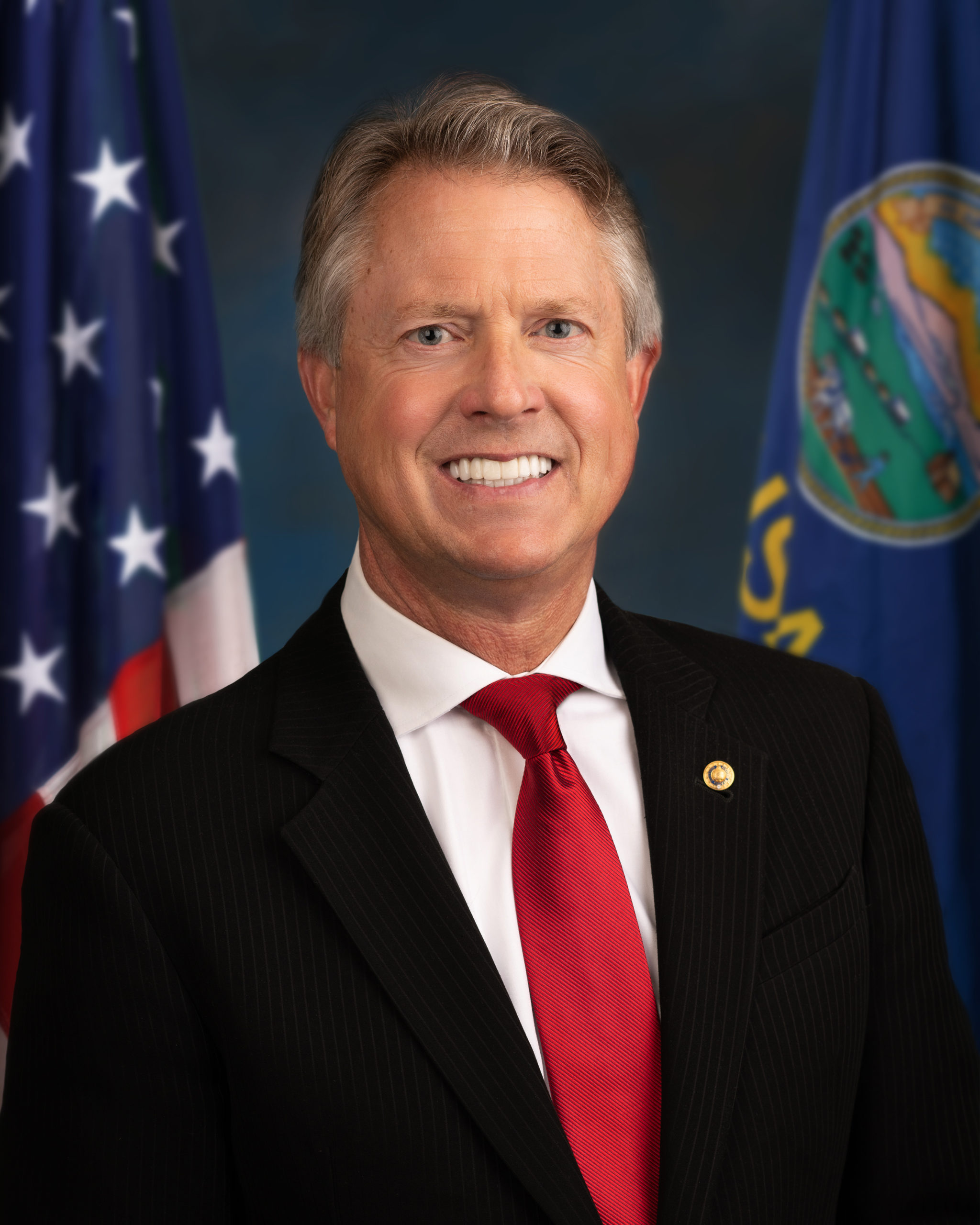
A week of Immigration and Customs Enforcement operations across meatpacking towns in southwest Kansas has emptied plant floors, kept children home from school and pushed two Republican senators into open, if cautious, criticism of the Trump administration's tactics, just five weeks before a midterm election in which control of the Senate seat itself is in doubt.
ICE agents fanned out beginning around September 22 through Dodge City, Liberal, Garden City and, later, Hutchinson, according to local officials and multiple news outlets that covered the operation as it unfolded. City governments in the affected communities said they received no advance notice. By Friday, roughly 200 people had gathered to protest in Dodge City, and Department of Homeland Security Secretary Markwayne Mullin was publicly disputing descriptions of the operation as a series of workplace raids.
The numbers
The region supplies an outsized share of the nation's beef. Dodge City and the surrounding counties account for roughly a fifth of the country's grain-fed beef supply, and National Beef's Dodge City plant alone employs more than 2,500 union workers, according to reporting from Kansas City's NPR affiliate. At Meadowlark Elementary School in Liberal, 120 students missed class in a single day as families kept children home. Three cattle-industry trade groups spanning Kansas, Oklahoma and Texas said in a joint statement that thousands of cattle meant for slaughter were delayed, producing millions of dollars in lost revenue. The disruptions land on top of an already strained supply: the nation's cattle herd stood at 86.2 million head as of January 1, its smallest size since 1951, according to the U.S. Department of Agriculture's National Agricultural Statistics Service.
How the operation unfolded
The enforcement push is part of the broader immigration crackdown the Trump administration has pursued since taking office, but this iteration landed squarely in Republican territory. The counties around Dodge City and Liberal voted for President Trump by wide margins in past elections, and the workforce at the region's meatpacking plants is heavily Hispanic and includes many longtime legal residents alongside undocumented workers. Advocates and family members told reporters that some of those detained had no criminal record, contradicting the administration's public framing of the operation as targeted at dangerous offenders. Secretary Mullin said on social media that "ICE is not conducting worksite operations in Kansas" and that enforcement had focused on people with final orders of removal or serious criminal histories, naming several individuals he described as among "the worst arrested by ICE in Kansas." He did not address the operations reported in Texas or Oklahoma.
Who is affected
The immediate toll fell on immigrant workers and their families in Dodge City, Liberal and Garden City, where community groups organized grocery and transportation help for residents afraid to leave their homes, and on Catholic Charities and a local law firm that offered free legal consultations. Plant operators and cattle producers face a second-order hit: with fewer workers showing up and cattle shipments delayed, feedlots absorbed added costs of holding animals longer, and processors struggled to keep pace with orders. The United Food and Commercial Workers union local representing plant employees said the operations were sowing "fear, instability, and chaos" among its members. Consumers are a further step removed but not insulated — beef prices, already at records because of the shrunken national herd, are the metric industry groups and economists say is most likely to move if slaughter volumes keep falling.
Reaction
The political reaction has been unusual for its bipartisan-sounding tone from Republicans. Senator Roger Marshall, who represents Kansas and is seeking re-election in a race that has tightened considerably, said in a statement that "law enforcement officers were not given advance notice or the level of cooperation we would expect from ICE's enforcement and removal operations," adding that such actions have to be "done in a responsible and secure manner." Senator Jerry Moran, who chairs a Senate Appropriations subcommittee and holds his own committee assignments overseeing federal spending, said he raised the coordination issue directly with Secretary Mullin, who assured him the warrants targeted people facing criminal charges. Neither senator called for the operations to stop.
"I have seen kids cry to me because their mom and dad are gone," said Amy Soberanes, a community organizer in southwest Kansas, describing the effect on families in the affected towns.
The Kansas Farmers Union went further, calling on Congress to make comprehensive immigration reform a priority and saying the operations had caused "significant disruption for families, communities and the agriculture economy." The Kansas Livestock Association, Oklahoma Cattlemen's Association and Texas Cattle Feeders Association, in their joint statement, said they respected federal agencies' duty to enforce the law but asked that operations be conducted "in a lawful, orderly, and transparent manner."
What happens next
ICE activity around Dodge City had wound down by the weekend, according to local coverage, though enforcement had by then spread to Hutchinson, further east. The political fallout looks likely to outlast the operation itself. Marshall is locked in one of the most competitive Senate races in the country against Democrat Adam Hamilton, a Kansas City-area pastor; a recent Emerson College poll showed Hamilton leading narrowly, and the Cook Political Report has shifted its rating of the race toward Democrats. That backdrop has made the administration's immigration enforcement, ordinarily a base-pleasing issue for Republicans, into a liability in a farm-belt state where the industry most exposed to it is also one of the most reliably Republican. With 37 days until Election Day, Kansas Republicans now face a choice between defending an administration policy popular with primary voters and distancing themselves from an operation that has drawn public criticism from ranchers, meatpacking unions and their own senators alike. Congress is not expected to take up any legislative response before the midterms, leaving the immediate outcome in the hands of DHS, whose leadership has given no indication it plans to change course in the state.

Whistleblowers say Kennedy Center leaders sat on funded repairs, then cited the damage to justify closing it

Fetterman rejects talk of leaving the Democratic Party as his standing erodes at home

White House Cancels $810 Million in Funds Congress Already Approved
