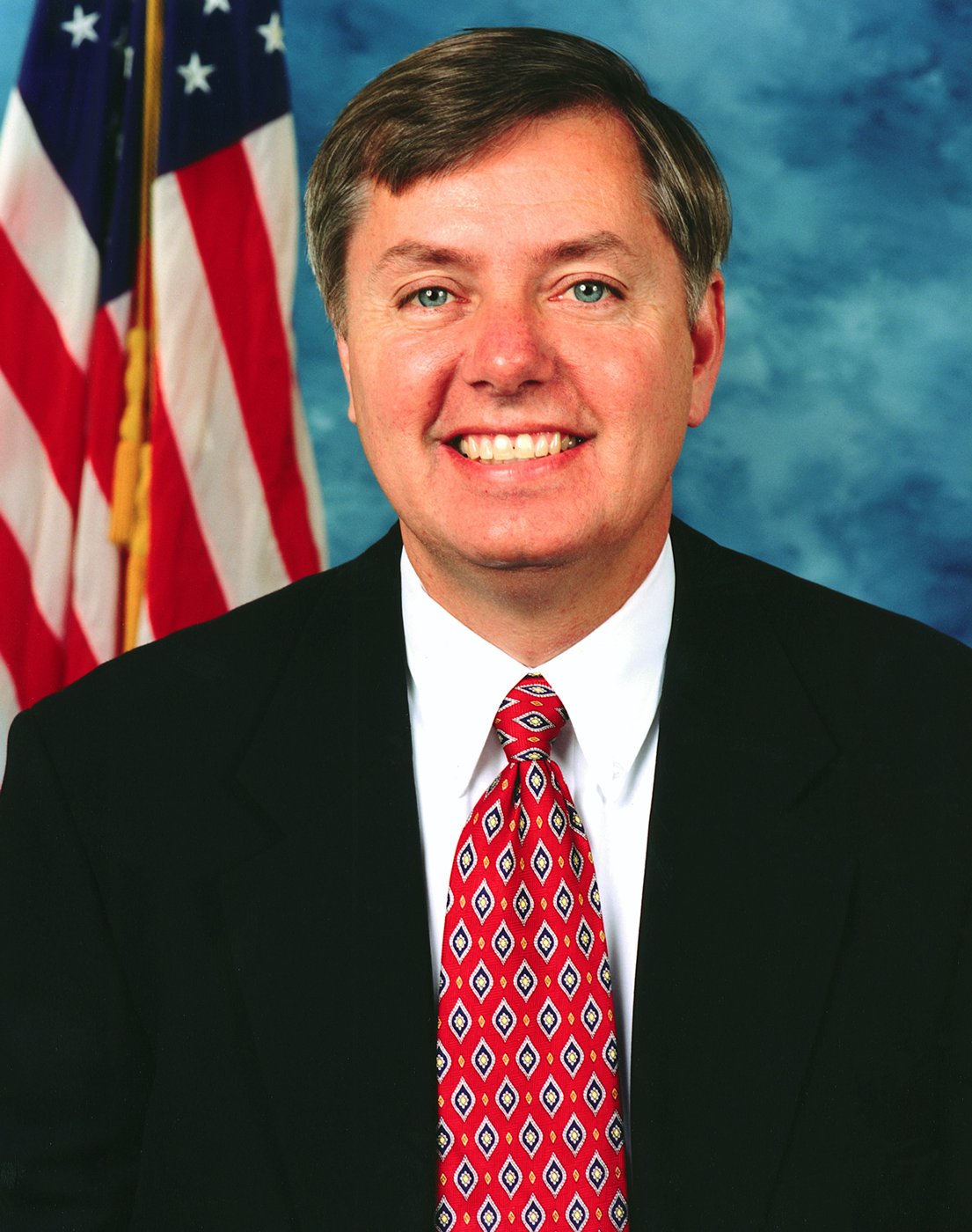
Schumer urges FCC to reject petition allowing AI-voiced political robocalls to cellphones
Senate Democratic leader Chuck Schumer filed a last-day objection to a Club for Growth petition that would let political callers reach cellphones with AI-generated voices without consent, as the FCC's reply-comment period closed two weeks before the midterms.
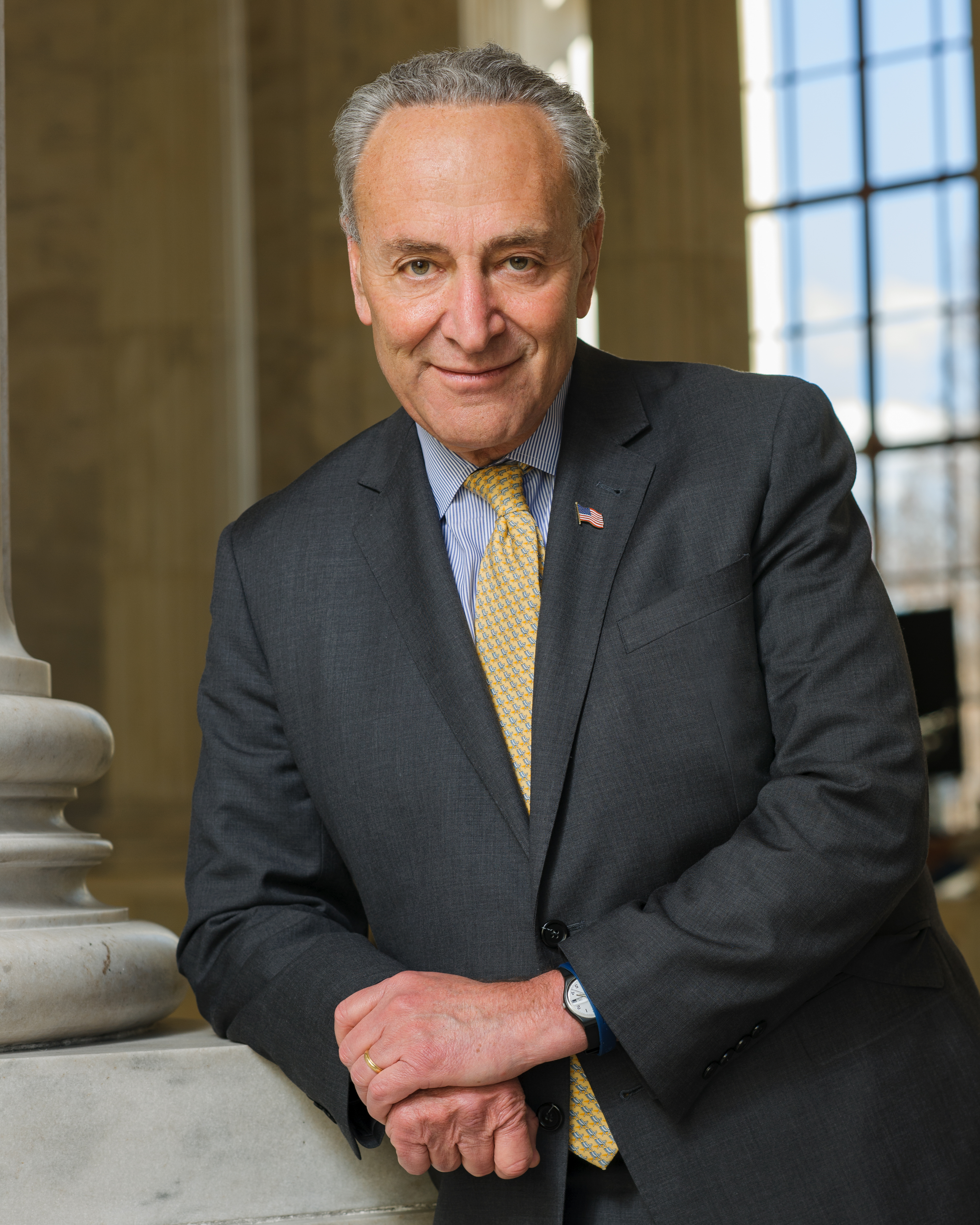
Senate Democratic leader Chuck Schumer asked the Federal Communications Commission on Monday to reject a petition that would let a conservative dark-money group blast cellphones with AI-generated political robocalls without listeners' consent, filing his objection on the final day of the public comment period and two weeks before the midterm elections.
The petition, filed by Club for Growth on Aug. 31, asks the FCC for a waiver that would let political callers reach cellphones using "an artificial or prerecorded voice – including an AI-generated voice" without first getting the recipient's permission, according to the FCC public notice opening the proceeding. The agency's Consumer and Governmental Affairs Bureau put the request, filed in CG Docket No. 02-278, out for comment on Sept. 4, set an Oct. 5 deadline for initial comments and an Oct. 19 deadline for replies. Schumer's letter, first reported by Reuters, arrived hours before that reply window closed.
What the petition would allow
Current federal law bars most robocalls, including those using prerecorded or artificial voices, from reaching wireless numbers unless the recipient has given prior express consent. That restriction comes from the Telephone Consumer Protection Act, codified at 47 U.S.C. § 227, and from a related FCC rule. Noncommercial calls to residential landlines already enjoy an exemption from a similar consent requirement, so long as callers meet certain conditions. Club for Growth is asking the FCC to extend that landline-style exemption to cellphones for political speech, including calls generated or partly generated by artificial intelligence.
The group has proposed its own guardrails: no more than three calls to any one recipient within a 30-day period, an automated opt-out mechanism and respect for caller-specific do-not-call requests. Club for Growth President David McIntosh has framed the request as a free-speech matter, arguing in a statement that the FCC should "treat First Amendment-protected political speech the same way it already treats wireless calls about package deliveries, bank accounts, and doctor's appointments." The organization, which backs conservative positions on taxes and regulation, has said on its website that it plans to spend $175 million on the 2026 midterm campaign.
Schumer's objection
In his filing, Schumer argued that the three-calls-per-month limit Club for Growth proposed addresses only how often a person is called, not whether the voice on the line is genuine or the message is true. He laid out two scenarios in his letter: a cloned candidate's voice falsely confessing to supporting cuts to Social Security two days before polls open, and a fabricated call telling voters a polling place had moved.
Under this change, campaigns could use their opponents' voice to send out a message that is, at best, disingenuous and, at worst, a blatant lie.
Schumer added that there is "absolutely no excuse to relax these standards and allow special interests to flood our cellphone lines with deepfakes or dark-money-funded AI voices." He pointed to the FCC's 2024 action against the robocall that impersonated President Joe Biden ahead of the New Hampshire presidential primary, in which the commission proposed a $6 million fine against the political consultant responsible and New Hampshire prosecutors brought criminal charges.
How the rules got here
That New Hampshire incident was the direct trigger for the FCC's existing position on AI voice technology. In February 2024, the commission unanimously adopted a declaratory ruling classifying AI-generated voices as "artificial" under the TCPA, meaning calls using them are subject to the same consent requirements as traditional prerecorded robocalls. That ruling did not create a new rule; it clarified that the existing consent regime already covered the emerging technology, closing off any argument that AI-cloned voices fell outside the statute because no human recording was involved.
Club for Growth's petition does not ask the FCC to revisit that classification. Instead, it asks for a waiver and a statutory exemption specific to noncommercial political calls, on the theory that political speech deserves at least the same latitude the FCC already gives to routine notifications like package-delivery alerts. FCC Commissioner Anna Gomez, the only Democrat among the commission's three sitting members, has opposed the request since shortly after it was filed, warning that granting it would let a "dark money group" flood Americans' phones with AI-generated calls they never agreed to receive. Gomez said Monday on CNN that the full commission could act within days, but cautioned that a formal vote by all three commissioners was unlikely before the Nov. 3 election, leaving open the possibility that the matter could instead be resolved at the staff level under delegated authority.
Who would be affected
The immediate effect would fall on cellphone owners who could begin receiving political calls with synthetic or impersonated voices in the campaign's final stretch, something the TCPA has never permitted without consent. Political committees and outside groups across the spectrum would gain a new, cheaper channel to reach voters directly on phones that are, for most Americans, their primary line. Consumer advocacy organizations have separately pressed the FCC to deny the waiver. The National Consumer Law Center has argued that removing the consent requirement could let the volume of political robocalls reaching cellphones climb as much as 40-fold compared with past midterm cycles, and the Brennan Center for Justice has warned that an AI system handling a live call, rather than simply playing a recording, could improvise false promises about a candidate or a race in the course of a conversation with a voter. State election officials and campaigns on the receiving end of attack messaging would also face new questions about how to respond if a cloned voice purporting to be a candidate circulates close to Election Day, when there is little time to correct the record before polls open. A handful of states, including Louisiana, Tennessee and Vermont, have passed laws this year requiring disclosure when campaign calls use AI-generated voices, but those state disclosure rules would not substitute for the federal consent requirement the petition seeks to waive, since they govern labeling rather than whether the call can be placed at all.
The same FCC docket also contains a second, unrelated petition from an individual filer, Joe Shields, asking the commission to rule on whether a peer-to-peer texting system qualifies as an autodialer under the TCPA when a person, rather than software, clicks "send" on each outgoing message. The bureau's Sept. 4 notice sought comment on both petitions together, though Schumer's letter addressed only the Club for Growth request.
Reaction
An FCC spokesperson pushed back on the idea that a decision was imminent, telling reporters Monday that "there is no one at the FCC that has expressed any interest in moving to an order on this or any of the petitions and there are zero plans to" do so, and characterizing the comment period as a routine procedural step the agency takes on any incoming petition. That statement is in some tension with Gomez's own remark on CNN that the commission could act within days, underscoring that the timeline for a decision remains unsettled even as the public comment window has now closed. Club for Growth has not publicly responded to Schumer's letter. The group's petition itself argues that extending AI-voice technology to political calls fits the Trump administration's broader push to cut regulations it views as obstacles to innovation.
What happens next
With the reply-comment deadline now passed, the FCC's Consumer and Governmental Affairs Bureau can act on the record it has compiled, either granting the waiver, denying it or leaving the underlying consent rule in place without a formal ruling before Election Day. Because the commission currently has only three sitting members, any action taken through delegated staff authority, rather than a full commission vote, could move faster than the normal rulemaking timeline. Schumer's filing puts the Senate's top Democrat on record opposing any change just as both parties enter the final two-week sprint toward the Nov. 3 midterms, a period in which a ruling either way would shape what political campaigns and outside groups can legally put on voters' phones through Election Day.

Early Voting Opens in Texas as Talarico Outraises Paxton More Than 6-to-1 in Dead-Heat Senate Race

DHS Lets Ukraine, Sudan Deportation Protections Continue Past Deadline, With No Final Decision Set
DOJ Rejects Claim It Broke Judge's Rules Searching Rep. Omar's Home