Senate advances bill setting national rules for college athlete pay and transfers
A bipartisan 77-22 vote pushes the Protect College Sports Act toward final passage, teeing up a fight over athlete pay, antitrust protections and collective bargaining before it reaches a House that is not scheduled to return until after the midterms.
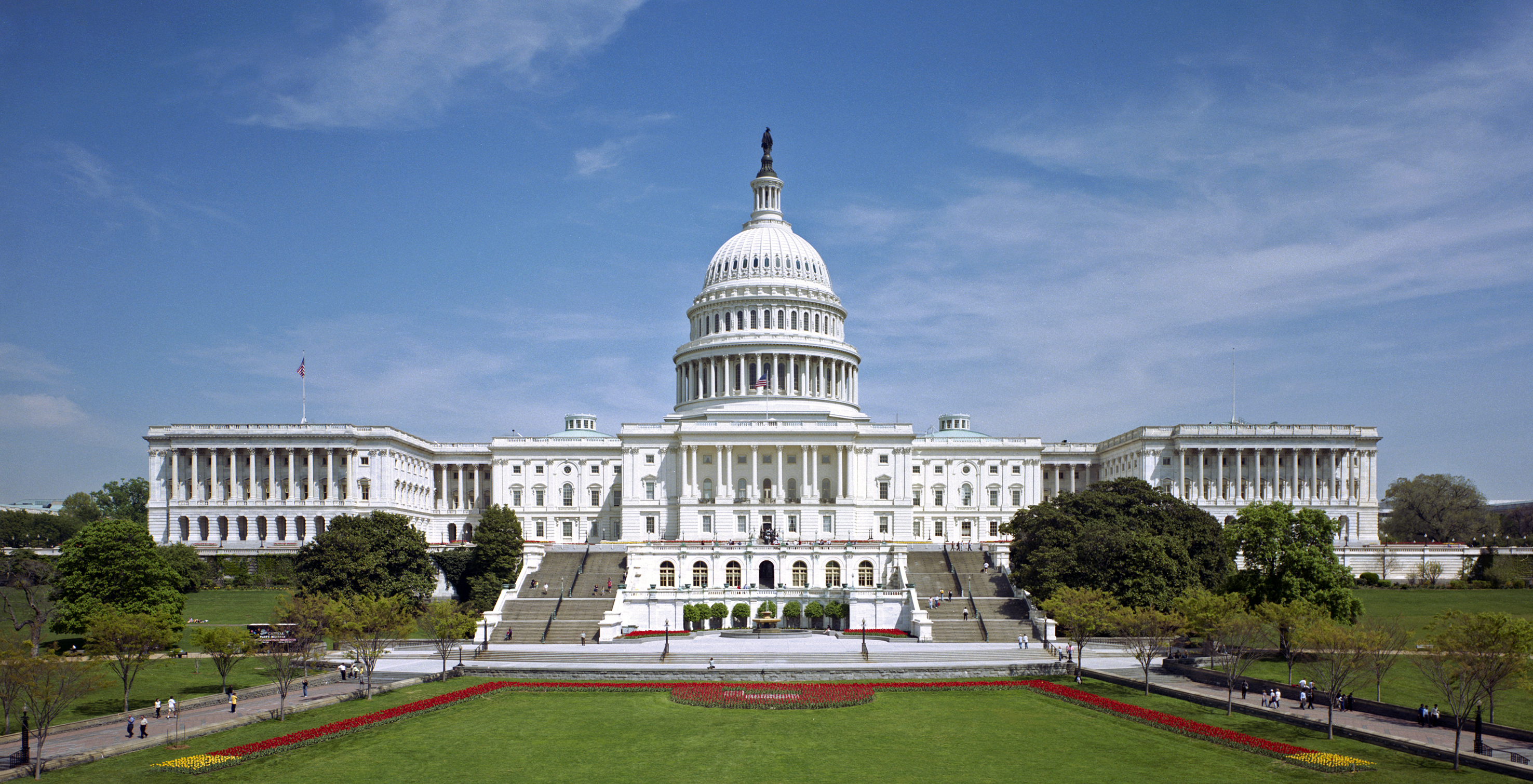
The Senate voted 77-22 on Thursday to formally take up a bipartisan bill that would rewrite the rules governing how college athletes are paid, how often they can transfer schools and how much power the NCAA has to enforce those rules — a measure that supporters call the first serious chance in years for Congress to bring a single federal standard to a sport that has been reshaped by lawsuits and state-by-state laws.
The bill, known as the Protect College Sports Act, is led by Senate Commerce Committee Chairman Ted Cruz, a Texas Republican, and the committee's top Democrat, Maria Cantwell of Washington. Thursday's vote cleared the way for floor debate and amendments, with a final passage vote expected as soon as next week, before the Senate leaves town to campaign ahead of the midterm elections.
The vote, by the numbers
The 77-22 tally on the motion to proceed was a jump from the 74-24 vote two days earlier that first cleared the 60-vote threshold needed to begin debate. According to Cantwell's office, the bill picked up four additional votes between Tuesday and Thursday — three Democrats and one Republican — a sign that the coalition behind it is still growing rather than shrinking as the measure nears final passage.
- Caps sports agents' fees at 5 percent and requires them to register with a state before representing student athletes.
- Creates a single federal right for athletes to earn name, image and likeness (NIL) compensation, replacing a patchwork of state laws.
- Guarantees scholarships for ten years after an athlete's eligibility ends and bars schools from pulling scholarships over injury or poor performance.
- Requires Division I schools to cover out-of-pocket medical costs for athletic injuries, both during competition and for five years afterward.
- Limits athletes to one penalty-free transfer and gives athletes a private right to sue over violations of the law.
The measure also touches money more directly. It builds on the roughly $20.5 million annual cap that schools were allowed to share with athletes under the 2025 House v. NCAA settlement, and legal analysts tracking the bill say a combination of that cap and a new multiyear "retention fund" for returning players could push total per-school spending on athletes toward $48 million a year at some programs.
How Washington got here
The push for federal legislation followed the $2.8 billion settlement of House v. NCAA, approved by a federal judge in June 2025, which let schools begin paying athletes directly out of a shared revenue pool for the first time and created a clearinghouse to review outside NIL deals worth more than $600. That settlement did not stop a wave of separate state NIL laws, transfer disputes and antitrust suits, which sponsors argue has left coaches, athletic directors and conference commissioners facing "roster chaos" with no single rulebook to follow.
Cruz and Cantwell first introduced companion versions of the bill, S. 4668 in the Senate and H.R. 9137 in the House, months ago, but the effort stalled repeatedly amid disputes over antitrust protections for the NCAA and the treatment of women's and Olympic sports. Rep. Michael Baumgartner, a Washington Republican who chairs the Congressional College Sports Caucus, introduced the House companion bill in June, but it has not advanced out of committee.
Who the bill would affect
Cantwell's office says the changes would touch roughly 500,000 Division I, II and III student athletes, along with the agents, boosters and collectives that have grown up around NIL deals since 2021. Backers, including the U.S. Olympic and Paralympic Committee and student-athlete advisory groups from all three NCAA divisions, argue the bill's minimum-sports requirement is the only thing standing between football and basketball's growing paydays and the elimination of smaller women's and Olympic programs that don't generate revenue.
Opponents, led in the Senate by Connecticut Democrat Chris Murphy and joined by California's Adam Schiff, Virginia's Tim Kaine, Maryland's Chris Van Hollen and Illinois' Richard Durbin, say the bill locks in low pay for the athletes — disproportionately Black players in football and men's basketball — who generate the most revenue for their schools, while doing nothing to cap what coaches and athletic administrators earn. The NAACP, the AFL-CIO and members of the Congressional Black Caucus have also come out against the measure, arguing that a federal right to collectively bargain, not a federal pay cap, is what athletes actually need.
What people are saying
"We can recognize [these rights], enshrine them today, and make sure that these athletes are protected forever, including the rights to not have their contracts screwed with, their rights to not have their school override them, the rights to have any amount of money that some business wants to pay them, as long as it is for a valid business purpose," Sen. Maria Cantwell said in a floor speech ahead of the vote.
Murphy countered that "what this bill does, at its core, is protect a system of exploitation," telling Connecticut Public Radio that athletes would be better served by the right to organize and collectively bargain than by the bill's compensation limits. NAACP President and CEO Derrick Johnson has made a similar argument in television appearances, saying the legislation "takes away the rights of athletes" and shields conferences from antitrust liability they would otherwise face.
President Trump has repeatedly pressed lawmakers to pass the bill, writing on Truth Social that "the Protect College Sports Act is a great Bill, and the Senate will hopefully stay in D.C. until it passes," and that it would protect state laws barring transgender athletes from women's sports. The White House issued a formal Statement of Administration Policy backing the bill in August, tying it to two Trump executive orders on "saving college sports."
What happens next
Senate leaders expect a handful of amendment votes and a final passage vote as early as next week, according to Roll Call, before the chamber breaks for the fall campaign. Even if it clears the Senate by a wide margin, the bill's path in the House is uncertain. The House adjourned this week and is not scheduled to return until after the November midterms, and it remains unclear whether Speaker Mike Johnson will bring the measure to the floor this year even with Trump's backing, according to NBC News. Cruz and Missouri Republican Eric Schmitt, another co-sponsor, have said they expect the House to act before the election if the Senate passes the bill decisively; Johnson himself has said only that he does not expect the House to take it up until afterward, leaving the bill's fate for this Congress tied to a chamber that has already left town.

Judge Strikes Down Trump Administration's Anti-DEI Teacher-Grant Policy, But the Money Stays Frozen

Judge Blocks Kennedy Center Demolition Without 30-Day Notice as Trump Renews Threat
House Democrat places hold on Trump's $2.8 billion bomb sale to Israel
