Trump uses antisemitic slur defending Sen. Marshall at Kansas rally
The president's use of the word "Shylock" to defend Sen. Roger Marshall against reports he sued hundreds of patients draws condemnation from Jewish groups, the second such episode in just over a year.
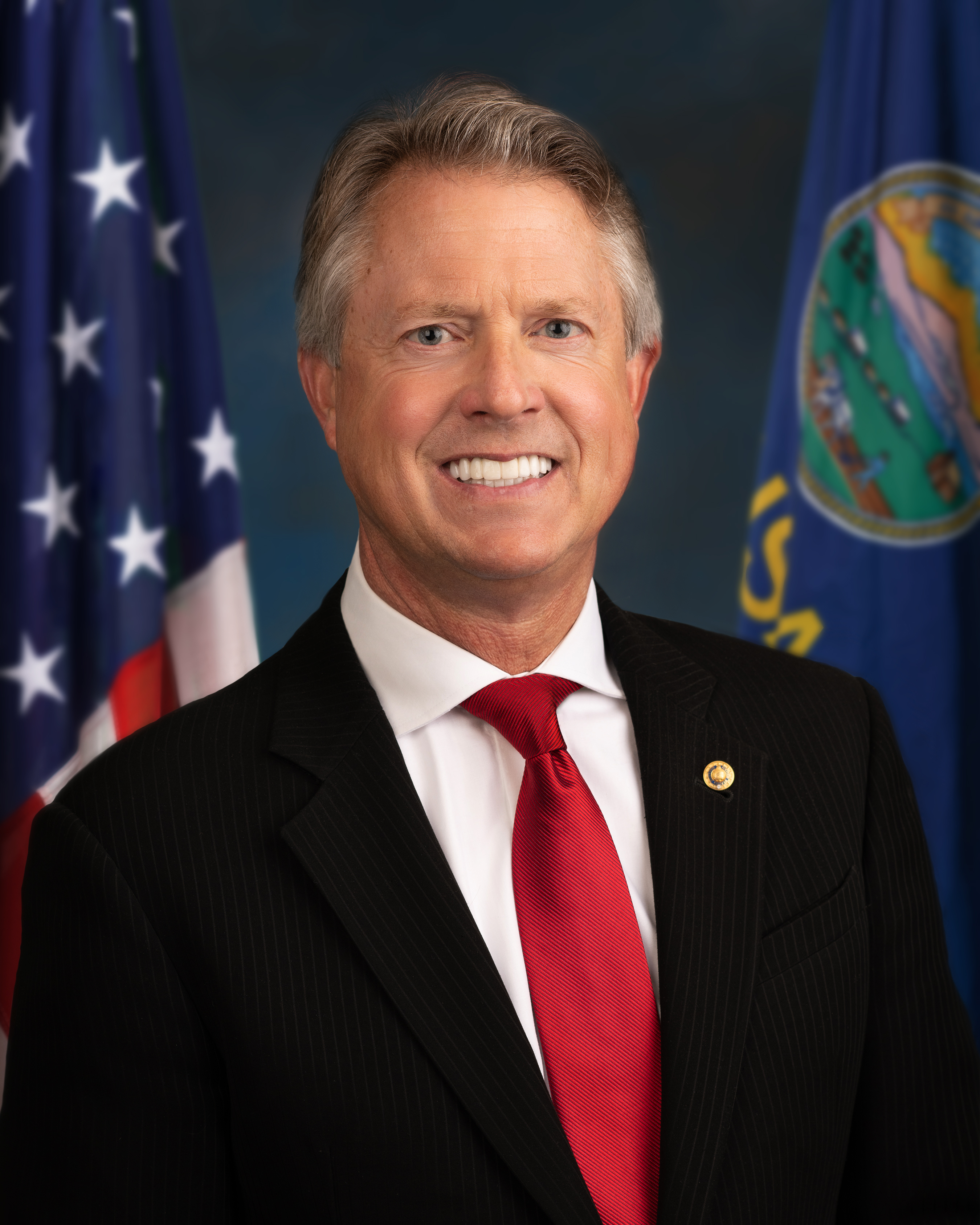
President Trump used the word "Shylock" at a campaign rally in Park City, Kansas, on Monday night while defending Sen. Roger Marshall against reporting that the Kansas Republican, an obstetrician-gynecologist before entering politics, sued more than 700 of his former patients over unpaid medical bills. Jewish advocacy groups and Democratic lawmakers condemned the remark as an antisemitic slur, the second time in just over a year that Trump has used the term at a rally and then said afterward that he did not know it carried that meaning.
The remark came as Trump stumped for Marshall at the Heartland Credit Union Arena, part of a tour of competitive Senate races in red-leaning states ahead of next year's midterms. Marshall faces Democrat Adam Hamilton, a Methodist minister from Leawood, in a race several national forecasters now rate a toss-up.
What Trump said, and why
Trump's comments were a response to a New York Times review of court filings reporting that Marshall, as a practicing OB-GYN before his political career, had sued several hundred patients to collect on unpaid bills, with some cases resulting in arrest warrants for patients who failed to appear in court. Hamilton's campaign has seized on the reporting, accusing Marshall of having had pregnant patients arrested and jailed over relatively small medical debts.
Trump defended his ally in a Truth Social post ahead of the rally, writing that Marshall "was given a bum wrap, because he was mandated by law to request, strongly, money owed from patients," and that "a judge ordering a patient's arrest for not showing up to court many, many times is not Roger Marshall's fault." Onstage Monday night, he extended the defense, telling the crowd that critics had "made it like, 'Oh, he was some kind of a Shylock-type guy.'"
A term with a long and documented history
Shylock is the Jewish moneylender character in William Shakespeare's "The Merchant of Venice," long regarded by literary scholars and Jewish advocacy organizations as the origin of an enduring antisemitic stereotype casting Jews as greedy, usurious and cruel. The Anti-Defamation League has said for more than a decade that invoking the name, even casually, revives that trope.
Monday's remark was not Trump's first use of the word as president. In July 2025, he used "Shylock" at a rally in Iowa while criticizing predatory lenders, prompting the ADL to call the term "extremely offensive and dangerous" and say it "evokes a centuries-old antisemitic trope about Jews and greed." Trump told reporters aboard Air Force One afterward that he had "never heard" the word used as an antisemitic slur and that, to him, "Shylock is somebody that's a money lender at high rates." The word has drawn bipartisan rebuke before: the ADL's former national director, Abraham Foxman, criticized then-Vice President Joe Biden in 2014 for using "shylocks" to describe predatory lenders, and Biden later called it a "poor choice of words."
Reaction from Jewish organizations
Amy Spitalnick, chief executive of the Jewish Council for Public Affairs, said Trump's repeat use of the term, more than a year after the Iowa episode and the ADL's public rebuke, could not be read as an innocent slip. "Not an accident," Spitalnick said, arguing that Trump has "consistently normalized antisemitic conspiracy theories and tropes" through repeated, casual use of this kind of language. The White House did not immediately respond to requests for comment on the Kansas rally remark, according to multiple outlets that sought a response Monday night and Tuesday morning.
"The term 'Shylock' evokes a centuries-old antisemitic trope about Jews and greed that is extremely offensive and dangerous," the Anti-Defamation League said when Trump first used the word in July 2025 — a position the organization has not withdrawn.
Marshall, who is not Jewish, has not commented directly on the word choice as of Tuesday. His campaign has instead focused on defending the underlying medical-debt collection practices, arguing that Kansas law required him as a small-practice physician to pursue unpaid accounts through the courts like any other creditor, and that Hamilton's campaign is distorting ordinary debt-collection procedure into a personal attack.
A competitive race gets more combustible
The exchange lands in one of the cycle's most closely watched Senate contests. Marshall's campaign committee, registered with the Federal Election Commission under candidate ID S0KS00315, has reported competitive fundraising totals against Hamilton heading into the final stretch, and Kansas's Secretary of State's election office lists the Senate contest among the state's marquee 2026 midterm races. Marshall's official Senate biography highlights his two decades practicing medicine in western Kansas before he was elected to Congress, a biography now central to both the attack and the defense playing out in the race's final weeks.
Coverage of the rally and its aftermath spread quickly beyond Kansas, with national outlets including CNN, the Washington Examiner and Forbes all reporting on the remark within hours, several of them noting explicitly that this marks the second documented instance of Trump using the term since taking office for his second term. Mediaite's report quoted Spitalnick's "not an accident" framing prominently, signaling that Jewish advocacy groups intend to treat the repetition, not just the original Iowa remark, as the story.
Not the first time the word has made news
Objections to "Shylock" as a public-figure talking point predate both Trump and Biden's use of it. In 2013, a nationally syndicated crossword puzzle drew a formal ADL complaint after it used "Shylock, e.g." as the clue for "Jew," with Foxman at the time calling it "cultural ignorance" and "an extreme lack of sensitivity." The syndicate apologized within days. That episode, advocacy groups say, established decades ago that the term's association with antisemitic caricature was neither obscure nor disputed among mainstream dictionaries and literary critics, which is part of why Spitalnick and others reject the explanation that elected officials simply are unaware of its connotation when they reach for it to describe an aggressive creditor.
Hamilton's campaign has not directly addressed Trump's word choice in public statements since the rally, continuing instead to center its message on the underlying claim that Marshall's practice pursued patients, including some who were pregnant at the time, through small-claims court and, in a number of cases, obtained bench warrants when those patients did not appear for hearings. Marshall's defenders counter that Kansas statute gives medical providers the same civil remedies available to any other creditor, and that declining to pursue unpaid accounts would have been financially untenable for a small rural practice. Neither side disputes that the lawsuits occurred; the dispute is over how aggressively they were pursued and whether Marshall personally directed the arrests, as opposed to court clerks acting on standard nonappearance procedure.
What happens next
There is no sign the episode will slow the pace of the campaign. Trump's political operation has signaled it intends to continue holding rallies for endangered Senate incumbents in the closing weeks before the midterms, and Marshall's campaign has given no indication it will distance itself from the president's defense of him. Hamilton's campaign, for its part, is expected to keep highlighting the underlying lawsuits against patients regardless of the linguistic controversy layered on top of them, betting that the debt-collection story does more damage with Kansas voters than the slur itself. Jewish organizations, meanwhile, say they will continue pressing the White House for a direct response, something it had not offered as of Tuesday afternoon.

Supreme Court Declines to Hear Fired NLRB Member's Removal Challenge, Cementing Trump's Agency Authority

Mahmoud Khalil asks Supreme Court to decide if courts can hear his detention case

DOJ Charges 28 Green-Card Holders in California, Moves to Block 20,000 Mail Ballots
