Cedars-Sinai Identifies Protein That Lets Aging Cells Evade the Immune System
A checkpoint protein called PD-L2 appears to shield "zombie" senescent cells from immune clearance; blocking it in mice reduced inflammation and improved glucose control and grip strength, researchers report in Cell Metabolism.
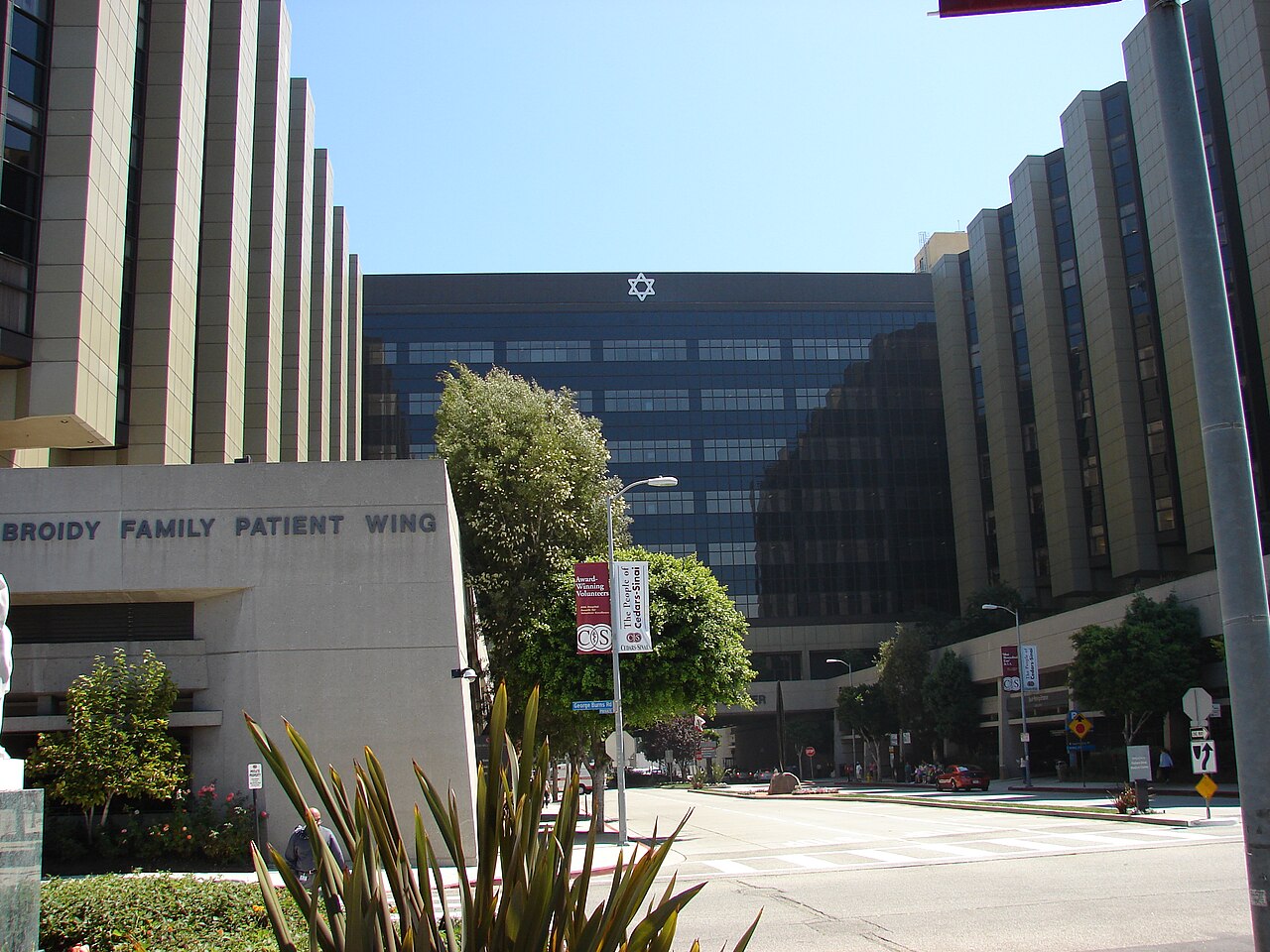
Researchers at Cedars-Sinai have identified a protein that appears to let aging, damaged cells hide from the immune system, a discovery that could open a new route to clearing the "zombie cells" implicated in a wide range of diseases of old age.
The protein, called PD-L2, sits on the surface of senescent cells — cells that have stopped dividing after damage but, instead of dying off, linger in tissue and pump out inflammatory molecules that harm neighboring cells. In a study published by Cedars-Sinai Health Sciences University and posted online this week in the journal Cell Metabolism, investigators report that removing or blocking PD-L2 in mice thinned out the population of these cells, dialed down the inflammatory signals they release, and left the animals with better blood-sugar control and stronger grip strength.
What the researchers found
Senescent cells normally get flagged and cleared by immune surveillance, but the Cedars-Sinai team found that PD-L2 acts as an immune checkpoint — the same broad class of molecule that some cancers exploit to evade attack by T cells — allowing senescent cells to persist rather than be swept away. Deleting or pharmacologically blocking PD-L2 in laboratory mice reversed that persistence: the animals accumulated fewer senescent cells, showed lower levels of the inflammatory secretions associated with senescence, and performed better on tests of glucose metabolism and muscle strength than untreated animals.
The pattern held up outside the lab as well. According to the researchers, human senescent cells produced substantially more PD-L2 than youthful cells, and tissue levels of the protein rose with age. A soluble, circulating form of PD-L2 also increased in the blood of older adults and fell after they were treated with senolytic drugs — medications designed to eliminate senescent cells — hinting that the protein could double as a blood marker for tracking senescent-cell burden in patients, not just a drug target.
Why aging cells matter
Cellular senescence has become one of the most closely watched mechanisms in aging biology over the past decade. Cells enter this state after stresses such as DNA damage, chemotherapy or simple wear from age; rather than dying, they switch on a secretory program that spreads inflammation to surrounding tissue. The National Institute on Aging has identified senescent-cell buildup as a contributor to chronic conditions including cardiovascular disease, arthritis, lung disease, kidney disease and Alzheimer's, and has funded a multiyear effort to catalog these cells across the body. Existing senolytic compounds already in testing clear only a portion — researchers estimate roughly 30% to 70% — of senescent cells in animal models, leaving a substantial fraction behind. Identifying why some senescent cells resist clearance, rather than simply searching for more potent cell-killing drugs, has been a harder problem, and the immune-evasion angle pursued by the Cedars-Sinai group offers a different way in: instead of poisoning the cells directly, restore the immune system's ability to find and remove them on its own.
"Our findings suggest that PD-L2 may help aging cells stay in the body when they would normally be removed" by immune defenses, said Selim Chaib, PhD, a research assistant professor of medicine at Cedars-Sinai and the study's first and co-corresponding author.
Who stands to be affected
The immediate audience for the finding is aging and cancer researchers rather than patients, since the work so far has been conducted in mice and in cell and tissue samples rather than in clinical trials. But the potential downstream population is broad: senescent-cell accumulation has been linked to age-related metabolic decline, frailty and inflammation-driven disease in older adults generally, and separately to tumors that survive chemotherapy by lingering in a senescent, immune-evasive state. Earlier work, including a widely cited Nature Cancer study on intratumoral senescent cells, had already shown that senescent cancer cells expressing PD-L2 can blunt the effectiveness of chemotherapy by suppressing the T-cell response that would otherwise finish them off, which is part of why the checkpoint drew Cedars-Sinai's attention in an aging context as well.
What researchers are saying, and what comes next
James Kirkland, MD, PhD, director of Cedars-Sinai's Center for Advanced Gerotherapeutics and the study's senior author, framed the finding as a starting point rather than a treatment. "If we can find a way to block this protein, we may be able to help the immune system get rid of these cells and potentially improve health problems linked with aging," Kirkland said, according to the university's account of the study.
The authors caution that the next step is testing whether blocking PD-L2 is safe and effective in humans — an open question given that PD-L2 and its better-known relative, PD-L1, also play roles in normal immune regulation, meaning any therapy would need to avoid triggering unwanted autoimmune side effects. The Cedars-Sinai team says future work will focus on that safety profile, on understanding PD-L2's broader role in age-related disease, and on evaluating whether the soluble form of the protein can serve as a practical blood test for monitoring senescent-cell burden in patients over time. No human trial of a PD-L2-blocking therapy for aging has yet been announced, and the findings, first reported publicly this week, have not yet been independently replicated outside the Cedars-Sinai laboratory.
- Protein identified: PD-L2, an immune-checkpoint molecule
- Effect of blocking it in mice: fewer senescent cells, less inflammation, better glucose handling and grip strength
- Existing senolytic drugs clear an estimated 30% to 70% of senescent cells, leaving room for complementary approaches
- Journal: Cell Metabolism; institution: Cedars-Sinai Center for Advanced Gerotherapeutics, Los Angeles
Cedars-Sinai Newsroom — Blocking a Protein May Reduce Buildup of Harmful Aging Cells
Cell Metabolism — Blocking PD-L2 prevents senescent cell accumulation and age-related dysfunction
Medical Xpress — Blocking a protein may reduce buildup of harmful aging cells
National Institute on Aging — Does cellular senescence hold secrets for healthier aging?

Archived Chandra data reveal a hidden class of X-ray objects

Telescope catches meter-wide asteroid hours before it burns up over the Indian Ocean

Global conservation planning overlooks the tropics, home to most insect species, study finds
