Losing a gene targeted by anti-aging drugs made mice age faster, not slower, study finds
A Nature Aging study finds that mice bred without cGAS — an immune gene at the center of drug efforts to fight age-related inflammation — had shorter lifespans and more inflammation, after DNA-silencing machinery broke down and dormant 'jumping genes' reactivated across their genomes.
A study published Wednesday in the journal Nature Aging has produced a finding that runs against years of assumptions in the fast-growing field of anti-aging medicine: mice engineered to lack a gene that drugmakers have been racing to block did not live longer. They died sooner.
The gene, called cGAS, sits at the center of an immune-signaling pathway known as cGAS-STING, which detects stray DNA inside cells and switches on inflammation. Because chronic, low-grade inflammation is a hallmark of aging — a phenomenon researchers call "inflammaging" — cGAS-STING has become one of the most closely watched targets in longevity science, with several biotechnology programs designing drugs to dial the pathway down. The new study in Nature Aging, led by researchers at the University of Rochester's Gorbunova and Seluanov laboratory with collaborators including John Sedivy at Brown University, suggests that removing cGAS entirely does the opposite of what the drug logic would predict.
What the mice showed
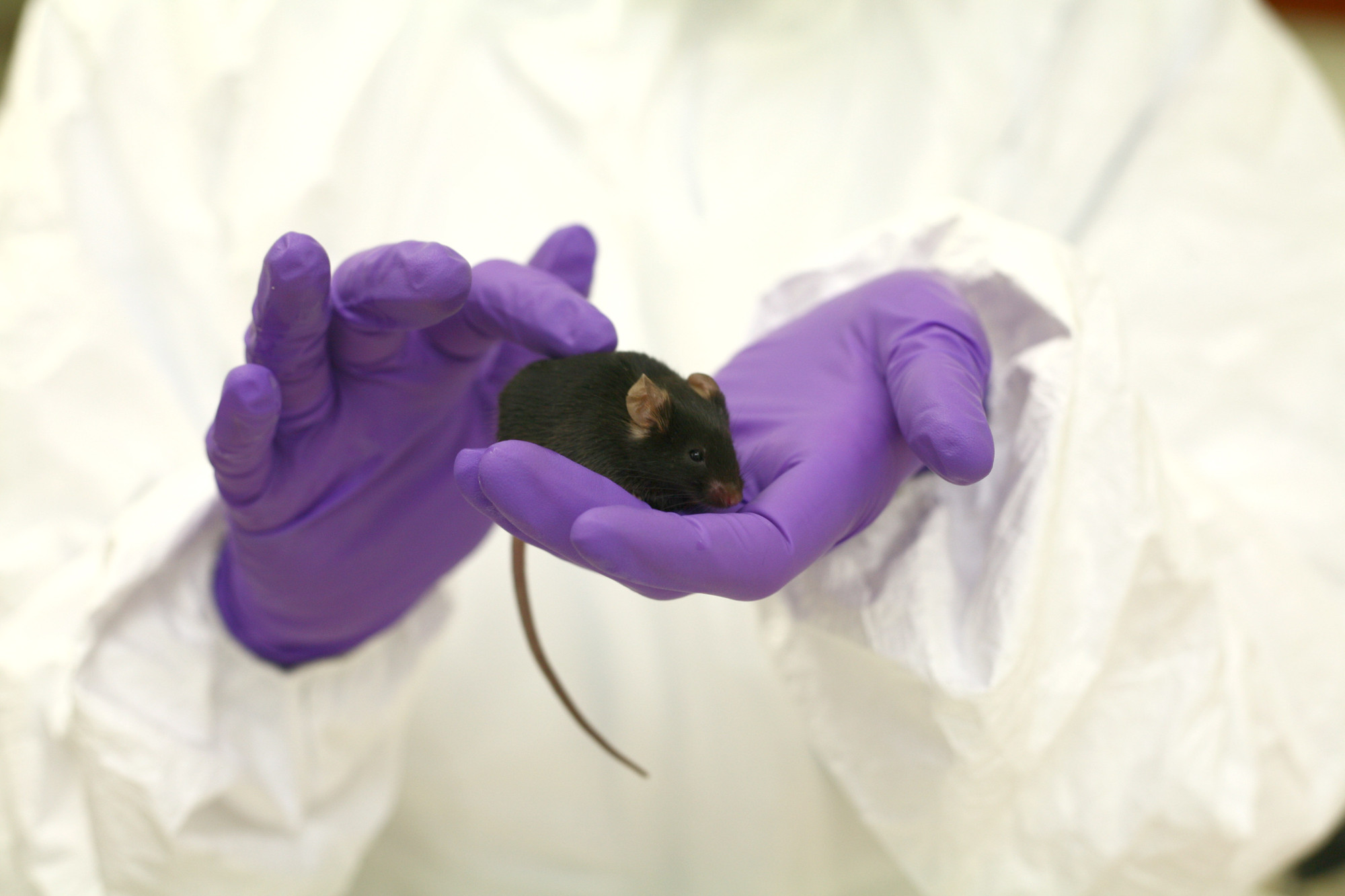
The team bred mice that completely lack the cGAS gene and tracked them over their lifetimes. Rather than showing reduced inflammation and better health, as the "inflammaging" hypothesis would suggest, the cGAS-deficient animals developed a broad accelerated-aging profile: more systemic inflammation, not less, along with the kind of tissue and cellular deterioration normally seen in much older mice.
The mechanism the researchers describe is not the one cGAS is famous for. Cyclic GMP-AMP synthase, cGAS's full name, is best known as a cytoplasmic sensor that flags foreign or misplaced DNA and triggers an interferon response — the same pathway that alerts the immune system to viral infection. But the Rochester and Brown team found that a separate, largely overlooked pool of cGAS sits inside the cell nucleus, where it physically helps organize heterochromatin, the tightly packed DNA that keeps large stretches of the genome, including ancient viral remnants, switched off.
The numbers
- Median lifespan of standard laboratory mice in the study: roughly 106.7 weeks.
- Median lifespan of mice engineered without the cGAS gene: roughly 92.4 weeks — a reduction of about 13 percent.
- The knockout mice showed disorganized H3K9me3, the chemical marker that normally keeps heterochromatin compacted.
- Loss of that organization allowed increased activity of LINE1, or L1, elements — repetitive stretches of DNA that make up roughly 17 percent of the human genome and can copy themselves elsewhere in it.
With H3K9me3 organization disrupted in cells lacking cGAS, LINE1 sequences — a class of so-called jumping genes, or retrotransposons, that most cells keep permanently silenced — became active again. Reactivated LINE1 elements produce stray DNA copies of their own that spill into the cell's cytoplasm, and it is that debris, the researchers argue, that ultimately drives the inflammation and premature aging seen in the knockout mice. In effect, losing the gene meant losing the genome's own babysitter, and the resulting mess produced more inflammatory triggers than cGAS itself had ever generated.
How the picture came together
The finding builds on nearly a decade of work by the Gorbunova, Seluanov and Sedivy laboratories connecting retrotransposons to aging. Earlier studies from the same groups showed that LINE1 elements become progressively more active in aging cells and tissue, and that experimentally suppressing LINE1 activity — for example with antiretroviral drugs that block the enzyme the elements use to copy themselves — improved health measures and extended lifespan in mouse models of premature aging. Those findings, including the group's earlier work tying LINE1 reactivation to inflammation, helped establish the current interest in cGAS-STING as a drug target, on the theory that blocking the pathway downstream of LINE1 reactivation would blunt the resulting inflammation.
The new paper complicates that theory by showing what happens when cGAS is removed rather than merely dampened. Using single-cell imaging, the researchers found that cGAS protein forms condensates inside the nucleus that co-localize with heterochromatin marks — physical evidence for a structural, DNA-packaging role distinct from cGAS's immune-sensing job in the cytoplasm. A companion analysis published this year in the journal Science, examining cGAS in naked mole-rats, an unusually long-lived rodent, independently pointed to a nuclear, DNA-repair-related function for the same protein, lending outside support to the idea that cGAS does more than trigger inflammation.
Who this affects
No human trial has tested a cGAS-STING inhibitor for aging or age-related inflammation, and the study itself was conducted entirely in mice, so there is no immediate clinical implication for patients. But the pathway is already being pursued by biotechnology and pharmaceutical developers for conditions ranging from autoimmune disease to, in the opposite direction, cancer immunotherapies that activate rather than block it. The Rochester-led findings arrive as a caution specifically aimed at that drug-development community: a therapy designed to suppress cGAS activity for its inflammatory effects could, if it also removed cGAS's structural role in the nucleus, risk destabilizing the very heterochromatin that keeps LINE1 and other repetitive DNA elements in check.
Researchers who study cellular senescence and genome stability more broadly are also affected, since the paper adds cGAS to a short list of proteins whose immune functions and structural genome functions turn out to be tightly, and sometimes contradictorily, linked.
What comes next
The open question the paper leaves for the field is whether cGAS's two roles — cytoplasmic sensor and nuclear organizer — can be pharmacologically separated, so that a drug could dampen the inflammatory signaling pathway without disturbing the protein's heterochromatin-maintenance function. That would require a more selective class of cGAS-STING inhibitors than those currently in preclinical development, none of which has yet been approved for any indication. The Nature Aging paper does not evaluate any existing drug candidate directly, and its findings come from a full genetic knockout in mice — a more extreme intervention than the partial, drug-based inhibition any future therapy would attempt, and one that does not automatically predict how a human drug would behave. Whether the same nuclear role for cGAS holds in human cells, and whether it changes with age, remains to be tested.
Deadly hospital fungus survives antifungal drugs by duplicating its whole genome, study finds

China's Chang'e-6 moon rocks suggest a new explanation for the lunar far side's thick crust

NASA Telescopes Trace a Ghostly Radio 'Treble Clef' to a Galaxy-Cluster Collision Hidden Behind the Milky Way
