Ozempic may recruit "hunger neurons" to sustain weight loss, study finds
A Yale-led study in mice found that GLP-1 drugs like Ozempic engage, rather than silence, brain cells long associated with hunger — a finding that could help explain the drugs' unusually durable effects.

Scientists have long assumed that drugs like Ozempic work partly by shutting down a set of brain cells called AgRP neurons — so-called hunger neurons that, when active, drive animals and people to eat. A new study led by researchers at Yale School of Medicine suggests the opposite may be true: prolonged treatment with GLP-1 receptor agonists appears to recruit these neurons into a new role that helps sustain fat loss over time.
The study, published August 4 in the Proceedings of the National Academy of Sciences and described by Yale News, was conducted in female mice treated with semaglutide, the active ingredient in Novo Nordisk's Ozempic and Wegovy. Researchers led by Tamas Horvath found that when they genetically disrupted or removed the animals' AgRP neurons during treatment, the mice continued eating less — but their fat loss became substantially less durable, even though their reduced appetite remained largely intact.
More than an appetite suppressant
The finding complicates a simple story that has dominated public understanding of GLP-1 drugs since Ozempic became a cultural phenomenon: that the medications work primarily by making people feel full and eat less. According to the research team, semaglutide's full weight-lowering effect could not be explained by reduced food intake alone. Instead, the study found that glucocorticoid signaling — a stress-hormone pathway — helps recruit AgRP neurons into what researchers describe as an adaptive metabolic response that supports continued fat burning, independent of how much the animals were eating.
That distinction may help explain a puzzle that has surrounded GLP-1 drugs since they emerged as the dominant treatment for obesity: earlier generations of appetite suppressants blunted hunger just as effectively in clinical testing but rarely produced the same durable, long-term fat loss seen with semaglutide and related drugs. If hunger neurons are doing double duty — suppressing appetite in the short term while also participating in a separate metabolic process that keeps weight off — it could point toward next-generation obesity drugs designed to engage that second pathway directly.
Researchers cautioned against over-reading the results. The study was conducted entirely in female mice, with no human hypothalamic recordings and no clinical trial testing whether disrupting AgRP neuron activity would change outcomes in people, according to coverage of the paper by SciTechDaily. Prior research has also shown sex-based differences in how GLP-1 drugs act on the brain, meaning the mechanism identified in female mice may not translate directly to male mice or to humans of either sex.
Even so, the study lands at a moment of intense scientific and commercial interest in how GLP-1 drugs work at a mechanistic level, as researchers and drugmakers race to develop next-generation obesity treatments that could match or exceed semaglutide's effectiveness. Understanding precisely which brain circuits are responsible for sustained fat loss, rather than simply reduced eating, could shape which biological targets those newer drugs are designed to hit, according to ScienceBlog.com's summary of the findings.
The results add to a fast-growing body of research into the neuroscience behind GLP-1 drugs' effects, an area of intense interest given how widely semaglutide and related medications have been adopted for both diabetes and weight management since their approval. Whether the same neural mechanism holds in humans — and whether it differs between men and women — remains to be tested in clinical studies.
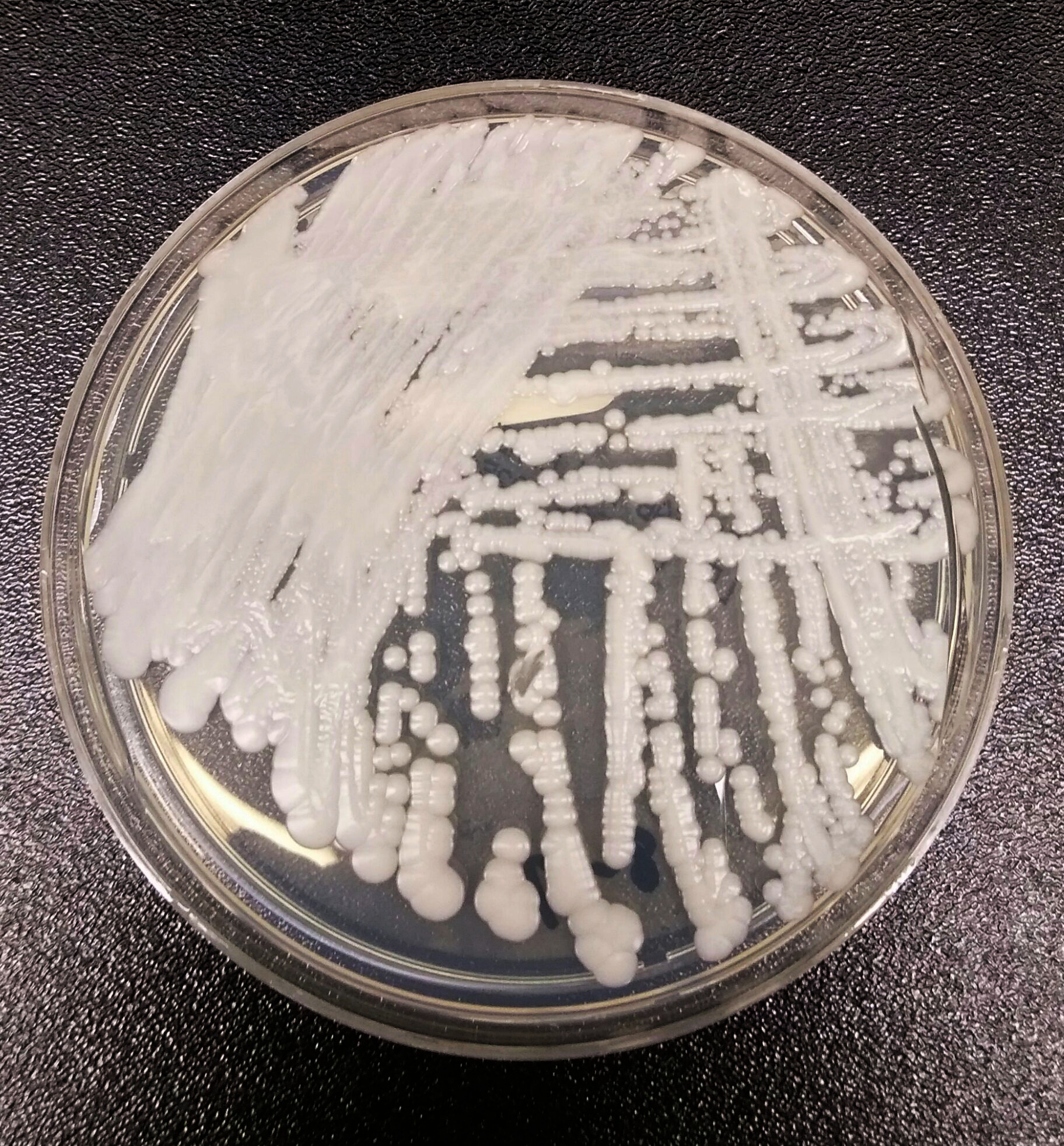
Deadly hospital fungus survives antifungal drugs by duplicating its whole genome, study finds

China's Chang'e-6 moon rocks suggest a new explanation for the lunar far side's thick crust

NASA Telescopes Trace a Ghostly Radio 'Treble Clef' to a Galaxy-Cluster Collision Hidden Behind the Milky Way
