Pennsylvania reports its first measles deaths in 35 years as outbreak tops 390 cases
Two unvaccinated Lancaster County residents have died of measles, the state's first fatalities from the disease in 35 years, as Pennsylvania's outbreak of 393 cases mirrors a national resurgence that has already surpassed all of 2025.
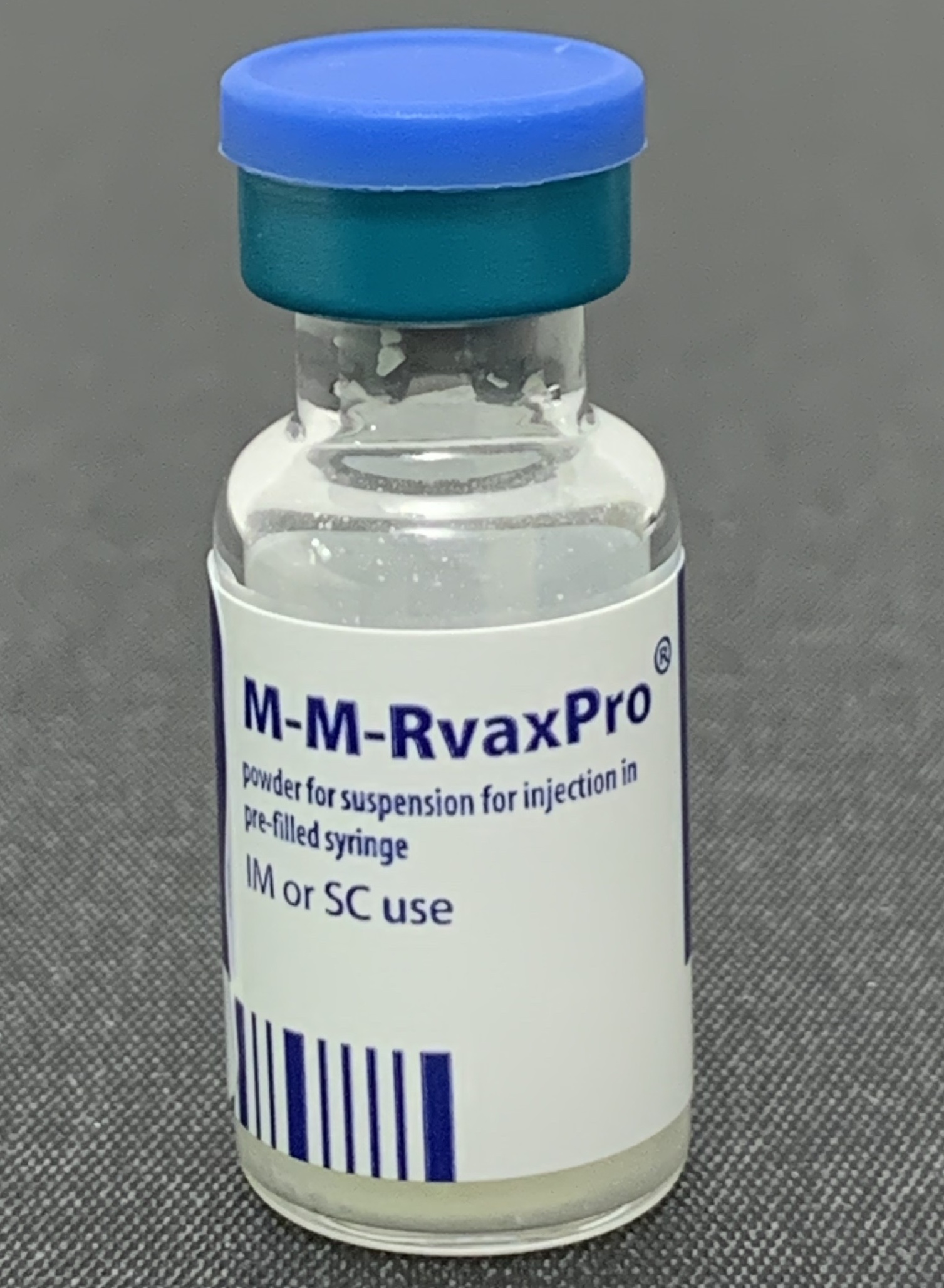
Pennsylvania health officials confirmed Tuesday that two unvaccinated residents of Lancaster County have died of measles, the state's first measles-associated deaths in 35 years, as an outbreak that began in April continues to spread across nearly a third of the commonwealth's counties.
The Pennsylvania Department of Health said it would not release further identifying details about the two people who died, citing privacy for their families. Both had not received the measles, mumps and rubella vaccine. The department has confirmed 393 measles cases across 28 counties so far this year, with roughly half concentrated in Lancaster County.
The numbers
State officials said 86 of the 393 confirmed cases were diagnosed in the past week alone, and about 70 people — close to 20 percent of everyone infected — have required hospitalization for complications. None of the confirmed cases have occurred in people who received both recommended doses of the MMR vaccine, which the department says provides roughly 97 percent lifetime protection against the virus.
The outbreak in Pennsylvania is part of a larger national pattern. According to the Centers for Disease Control and Prevention, 2,777 measles cases had been confirmed nationwide as of August 20, spread across 47 jurisdictions, with 94 percent of cases tied to one of 36 active outbreaks. That total already exceeds the 2,289 cases recorded in all of 2025 and is the highest annual count since 1991, when the country was still years away from declaring measles eliminated. Pennsylvania alone has accounted for more than a third of the roughly 900 cases the CDC has logged nationally since May.
Measles remains one of the most contagious pathogens known, spreading through the air and lingering on surfaces for up to two hours after an infected person has left a room, according to the health department. Symptoms typically appear seven to 21 days after exposure, and people can spread the virus for several days before the telltale rash develops, which makes outbreak containment difficult once transmission takes hold in an under-vaccinated community.
How the outbreak grew
Pennsylvania's outbreak traces back to April, and it has expanded as vaccination rates in some communities have slipped below the roughly 95 percent threshold epidemiologists consider necessary for herd immunity. Statewide kindergarten MMR coverage for the current school year stands at 93.2 percent, according to the health department, with seventh-grade coverage at 94.6 percent — both below the herd-immunity benchmark even as twelfth-grade coverage remains higher, near 97 percent.
Measles was declared eliminated in the United States in 2000, meaning the virus no longer circulated continuously within the country, though it has periodically returned through travelers and spread in pockets with low vaccination coverage. Pennsylvania's last fatal outbreak predates that milestone: state officials say the commonwealth had gone 35 years without a measles death, a stretch reaching back to before the disease's formal elimination.
The deaths land amid a fraught national debate over vaccine policy. President Trump has signed an executive order directing that the combined MMR shot be offered as three separate injections, a step public health researchers say has no scientific backing and could complicate an already crowded childhood immunization schedule. Health and Human Services Secretary Robert F. Kennedy Jr., a longtime vaccine skeptic, offered federal assistance to Pennsylvania after the deaths were announced. Gov. Josh Shapiro said he told Kennedy directly that rhetoric from his department has had a "negative impact" on communities' willingness to vaccinate, a tension that has shadowed the state's response even as it seeks federal support.
Who is affected
Lancaster County, where both people who died had lived, has borne the brunt of the outbreak, and state officials say the virus has now reached hospitals, schools and health care providers across the region. The department has issued guidance allowing MMR vaccination for infants as young as 6 months in outbreak areas, well ahead of the routine first-dose schedule at 12 to 15 months, in an effort to protect the youngest and most vulnerable residents before they would otherwise be eligible.
More than 1,000 health care providers have taken part in state briefings on identifying and managing measles cases, and nearly 1,000 school nurses have attended sessions on outbreak protocols, according to the Shapiro administration's outbreak response. Health officials have also stressed that measles can cause pneumonia, brain swelling and other severe complications, particularly in unvaccinated infants, pregnant people and those with weakened immune systems.
Reaction
Pennsylvania Secretary of Health Dr. Debra Bogen said the deaths reflect how unfamiliar the disease has become after more than three decades without a fatality in the state.
"My deepest sympathies are with the loved ones who are facing this unimaginable loss," Bogen said, adding that "because measles was largely eliminated in the Commonwealth for more than three decades, people are not familiar with this disease and don't fully understand the potential severity of the illness."
Shapiro, in his own statement, described the deaths as preventable and urged residents to rely on medical guidance rather than online rumor. "Measles does not care about your county, your faith, or your social circle," he said. "It's vital for every parent to know that if you or your kids are unvaccinated, you are at an increased risk." Coverage from WHYY and NBC10 Philadelphia both noted that the state has moved to distance itself from federal vaccine messaging even while accepting the administration's help.
What happens next
The health department said it has run 91 pop-up vaccination clinics since April, administering more than 4,100 MMR doses, and plans to hold roughly 40 more clinics in the coming weeks. Officials said MMR vaccinations statewide climbed to more than 35,000 doses in July alone, up from a more typical monthly pace of around 25,000, as awareness of the outbreak has spread. The department operates a toll-free hotline, 877-PA-HEALTH, for residents with questions about exposure, symptoms or vaccination.
With 393 cases already confirmed and new diagnoses still arriving weekly, state officials have not said when they expect the outbreak to peak. Nationally, the CDC continues to update its count as more jurisdictions report cases, and researchers who track the disease say the current trajectory makes it likely that 2026 will end as the worst year for measles in the United States since the disease was declared eliminated in 2000.