Purple Heart veteran deported over old PTSD-linked convictions gets New York pardon
Gov. Kathy Hochul pardoned Sae Joon Park, an Army veteran wounded in the 1989 invasion of Panama, clearing the way for lawyers to seek reopening of the removal case that led him to self-deport to South Korea last year.
A New York governor's pardon has reopened, though not resolved, the case of a Purple Heart veteran who left the United States last year rather than fight a deportation order rooted in decades-old convictions tied to untreated combat trauma.
Gov. Kathy Hochul on Friday granted clemency to six people, including Sae Joon Park, a 57-year-old Army veteran who self-deported to South Korea in June 2025 after immigration authorities told him he could leave voluntarily or be detained and removed. The pardon erases his two convictions from the 2000s, clearing a legal obstacle his lawyers say they need to ask federal immigration authorities to reopen his case.
Park has not lived in South Korea, the country of his birth, since he was 7 years old. He spent the better part of five decades in the United States as a legal permanent resident, raised two children there and, until last year, cared for his elderly mother nearby. "I know there is still work ahead, but today I have hope that I may finally be able to come home," Park said in a statement after the pardon was announced, according to reporting distributed to public radio stations nationwide.
The numbers behind the case
Park's removal order traced back to two convictions more than 15 years old: criminal possession of a controlled substance in the third degree in 2007 and bail jumping in the second degree in 2009. He served three years in prison on those charges and has been sober since, according to his legal team. Both offenses came after he returned from an Army deployment with undiagnosed post-traumatic stress disorder that fed a drug addiction, the account that has run through years of local and national coverage of his case.
He was one of six people Hochul pardoned Friday as part of a clemency batch that also included convictions for firearms possession, assault and drunk driving dating as far back as 1986. The governor's office said the total brings her clemency record since taking office to 145 grants — 125 pardons and 20 commutations. None of the other five recipients faced immigration consequences from their convictions; Park's case is the only one of the six tied to a deportation.
A wound from 1989, consequences three decades later
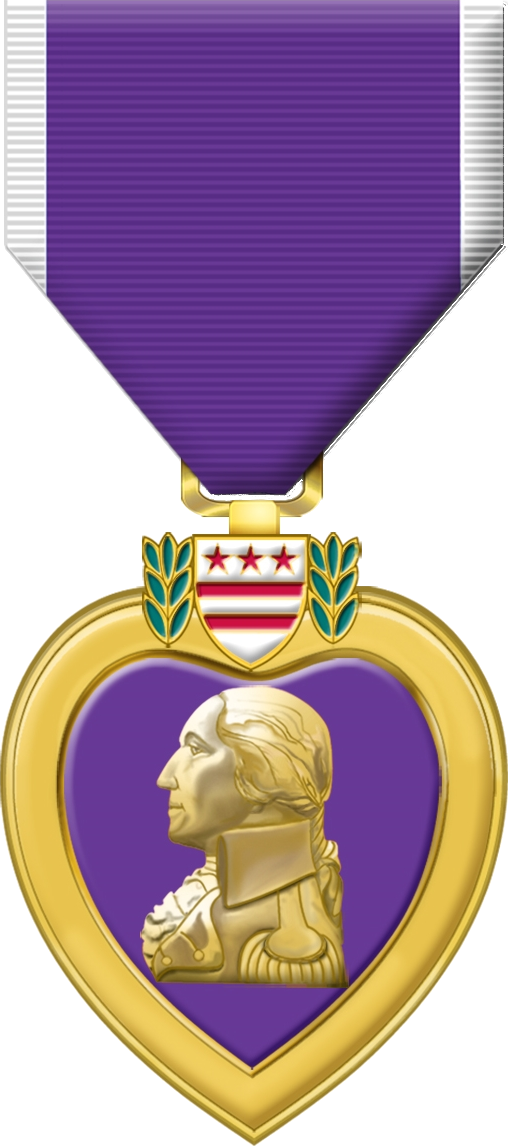
Park joined the Army at 19 and was deployed to Panama for the December 1989 invasion known as Operation Just Cause, the US military action that toppled the government of Manuel Noriega. He was shot in the back by Panamanian soldiers during the operation, was honorably discharged and received the Purple Heart, the award reserved for service members wounded or killed in action.
What followed, according to his attorneys, was untreated PTSD that led to the drug addiction and the criminal record that immigration authorities cited last year. Because Park was a legal permanent resident rather than a citizen, the convictions — old as they were and despite his having served his sentence and rebuilt his life — remained grounds for removal under federal immigration law. In June 2025 his legal team says agents told him to leave the country on his own or be detained and deported; he chose to go, leaving behind his two adult children and his mother.
Members of Congress and immigration officials weighed in
Park's case drew attention in Washington months before Friday's pardon. He appeared by video link at a congressional hearing in December, where Representative Seth Magaziner, a Rhode Island Democrat, pressed the administration on his case. Magaziner's office has continued to publicize the matter through his official congressional website, and Kristi Noem, who was then serving as Homeland Security secretary, told lawmakers at the hearing that she would have the case reviewed. It is not clear from public statements whether that review produced any change before Park departed the country the following June.
"This pardon represents a tremendous step forward and gives Mr. Park renewed hope," said Danicole Ramos, an attorney with the University of Hawaii's refugee and immigration law clinic who represents Park.
Hochul, in a statement accompanying Friday's announcement, said the six people she pardoned "have displayed positive changes in their lives and will dedicate themselves to bettering their communities" and "earned their second chance through rehabilitation." Her office's clemency process, which has been the subject of past criticism over backlogs, has increasingly become a venue where advocates seek relief for immigrants whose old state convictions are driving federal removal proceedings, since a governor's pardon can eliminate the underlying criminal grounds for deportation even though it carries no direct authority over immigration decisions.
What the pardon does, and does not, change
The pardon does not return Park to the United States. What it does is remove the two convictions from his record, which his lawyers say gives them a basis to petition the federal Board of Immigration Appeals — the administrative body within the Justice Department that reviews immigration court decisions — to reopen his case and consider vacating the original removal order. That agency, formally known as the Board of Immigration Appeals, operates under the Executive Office for Immigration Review and would have to agree that the pardon changes the legal calculus underlying his removal.
Immigration attorneys say such petitions are not automatic wins even after a state pardon. The board would need to find that the pardon eliminates the specific grounds — in Park's case, a controlled-substance conviction and a bail-jumping conviction — that made him removable in the first place, and separately weigh any discretionary factors bearing on whether to reopen a case at all. There is no set timetable for how long that review might take, and Park remains in South Korea while it proceeds.
Park's situation has been cited by veterans' advocates and immigration lawyers as an illustration of a narrow but recurring problem: legal permanent residents who served in the US military, including in combat, can still face removal decades later over convictions connected to service-related trauma that was not treated, or in some cases not diagnosed, at the time. Because deportation is a civil, not criminal, matter, the standard defenses and rehabilitation credit that might mitigate a criminal sentence do not automatically apply to removal proceedings, leaving pardons like Hochul's as one of the few levers available once a case has advanced that far.
For now, Park's family and legal team describe the pardon as a meaningful but incomplete step. His attorneys say they intend to file with the Board of Immigration Appeals in the coming weeks, arguing that the erased convictions no longer support the order that sent him from the only country he has called home since childhood to one he had not set foot in for nearly 50 years.