Defeated by Lula, Flávio Bolsonaro flees Brazil for Miami as Trump calls election 'rigged'
Brazil's defeated presidential candidate crossed two borders in a single night rather than hand over his passports to the Supreme Court, landing in Florida as President Trump publicly questioned the vote that returned Luiz Inácio Lula da Silva to power.
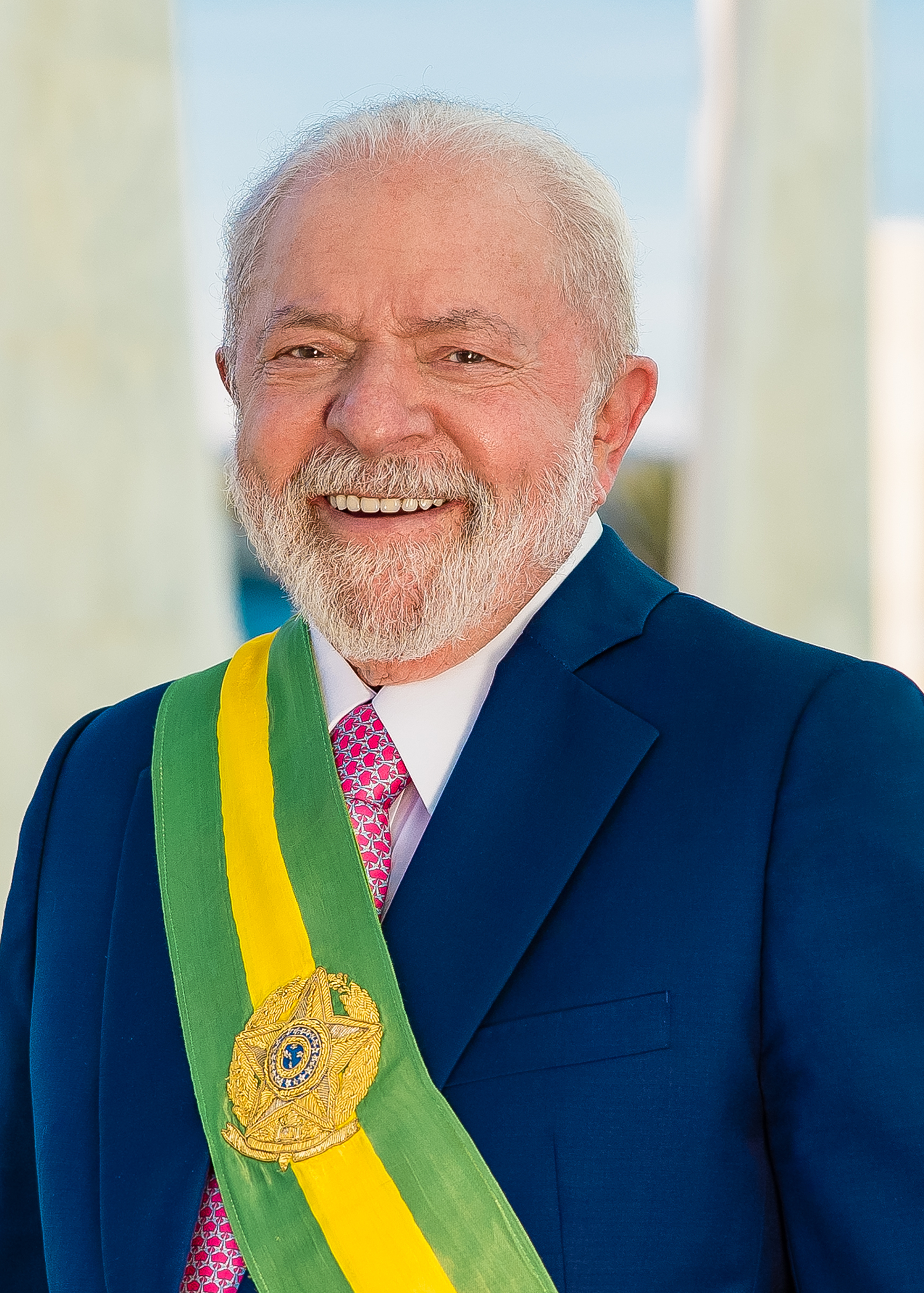
Flávio Bolsonaro, the senator who lost Brazil's presidential runoff to Luiz Inácio Lula da Silva five days ago, landed outside Miami on Wednesday morning after a night spent crossing three countries rather than surrender his passports to Brazil's Supreme Court. His arrival, confirmed by Argentine immigration authorities and the U.S. State Department, has opened a diplomatic rupture between Washington and Brasília just as President Trump publicly described the election Bolsonaro lost as having "looked like another rigged election."
Lula won Sunday's runoff with 64,256,232 votes, or 51.79 percent, to Bolsonaro's 59,826,041, or 48.21 percent — a margin of nearly 4.4 million votes out of more than 128 million cast, according to Brazil's electoral authority, whose certified count put turnout above 80 percent of 158 million eligible voters. Bolsonaro has not conceded and has called himself, without evidence, "the true elected president of Brazil."
A Night Through Three Borders
Two days after the runoff, Justice Alexandre de Moraes of Brazil's Supreme Court ordered Bolsonaro to surrender his passports within 24 hours, part of a separate investigation into alleged money laundering and currency evasion involving a lawyer linked to betting companies; both men deny wrongdoing. Bolsonaro missed the deadline. Police canceled his Brazilian passports, but he traveled on an Italian one — he holds Italian citizenship through family heritage — that the judge's order had also covered, according to regional reporting on the crossing.
Argentina's National Migration Directorate said in a statement that Bolsonaro, his wife and their two daughters entered the country at 10:50 p.m. on October 27 through the Tancredo Neves International Bridge at Puerto Iguazú, "with valid travel documents and without any legal impediment." The agency, which operates under Argentina's security ministry, had initially denied any record of his entry that morning before reversing itself overnight. A chartered Gulfstream that had idled at the Puerto Iguazú airport since Monday took off roughly 40 minutes after the family crossed, refueled in Guayaquil, Ecuador, and reached Opa-locka Executive Airport near Miami around 9:20 a.m. Wednesday. Argentine President Javier Milei's government, which has not congratulated Lula on his reelection, said only that there would "be no statement" on the episode.
An Election Decided, a Concession Withheld
Bolsonaro entered the race after his father, former President Jair Bolsonaro, was barred from running following his 2022 election loss and later jailed; the elder Bolsonaro remains under Supreme Court-ordered detention in Brasília. Flávio led narrowly after the first round on October 4, outperforming his father's totals in both 2018 and 2022, before Lula overtook him in the runoff — the first time since Brazil adopted two-round presidential voting in 1989 that a candidate who trailed after the first round went on to win.
The flight to Florida echoes his father's own post-defeat trip to the same state in January 2023, days before supporters stormed government buildings in Brasília; Jair Bolsonaro eventually returned to Brazil and was arrested. Lula, asked about his rival's departure, said in Portuguese that "whoever leaves hiding owes something" — "quem não deve, não teme," a saying that translates roughly to "he who owes nothing, fears nothing" — and called the senator's exit shameful.
"I did not flee Brazil; I left for Brazil's sake."
That was Bolsonaro's own account of his departure, delivered alongside a description of the money-laundering probe against him as "a politically motivated witch-hunt, intended to hold me hostage." He has asked, he said, that the international community "not normalize what is happening in Brazil" — a case he is making increasingly in Washington rather than Brasília.
Washington Takes Sides
Trump had waded into the race even before Bolsonaro left the country. Speaking to reporters the day after the runoff, he said, without offering evidence, "I didn't take sides, but it looked like another rigged election. Elections have to be indisputable, and it looked very bad to me." Brazil's Vice President Geraldo Alckmin called the remark "totally wrong" and unfounded. Once Bolsonaro landed, Trump told reporters he and his family were "fine people" and that the U.S. State Department would issue them visas; administration allies have separately signaled, without confirmation from State itself, that asylum could follow.
The remarks fit a broader pattern this year of Washington's rhetoric clashing with Brasília's: the Trump administration has praised a run of right-wing election victories elsewhere in Latin America while treating Lula's government with open skepticism, and it revoked the visa of Brazil's own ambassador to Washington in August amid a separate dispute over access for American diplomats. Al Jazeera has reported that Trump is expected to resist any Brazilian attempt to extradite Bolsonaro under the two countries' existing treaty, though no formal extradition request has yet been filed. As a sitting senator, Bolsonaro still holds parliamentary immunity from prosecution — but only until his term ends in January, when Brazilian lawmakers from Lula's party have already said they will press for his arrest and for Brazil's federal police to seek an Interpol notice.
What Comes Next
For now, Bolsonaro is beyond Brazilian jurisdiction in a country whose president has made no secret of his sympathy for the Bolsonaro family's politics, and Brazil's options for compelling his return are limited while he holds immunity. Lula, who won a mandate he has described as one to "govern for 215 million" Brazilians, takes office for a fourth term having told the United Nations General Assembly only last year that "our democracy is non-negotiable" — a line that will be tested again as his government weighs how hard to press Washington over a rival it increasingly cannot reach.
Brazil's economy, which the International Monetary Fund projects will grow 2.4 percent this year with inflation near 4 percent, has so far absorbed the political shock without the kind of market turmoil that accompanied Bolsonaro's first-round surge in early October. The more immediate question is diplomatic: whether Itamaraty, Brazil's foreign ministry, formally protests Bolsonaro's reception in Washington, and whether the Trump administration's apparent willingness to shelter him becomes a lasting strain on relations between the hemisphere's two largest democracies — one that inaugurated a reelected president this week, and one whose own president has openly doubted that the result should stand.

Senior Sudanese commander defects, accuses Hemedti's family of running RSF as a 'family business'

UN Security Council fails to renew Western Sahara peacekeeping mission after US and Russia veto rival drafts

King Charles's Caribbean tour collides with a mounting reparations campaign
