Ireland's first general strike since 2009 shuts schools and hospitals in pay dispute
More than 300,000 public sector workers walked out for 24 hours on Wednesday as unions and the government remained deadlocked over a new pay deal, with a second strike day looming unless talks produce a breakthrough.

More than 300,000 teachers, nurses, civil servants and other public employees in Ireland walked off the job for 24 hours on Wednesday, in the country's first general public sector strike since 2009. Schools closed nationwide, thousands of hospital appointments were cancelled, and picket lines formed outside Leinster House and hospitals across Dublin, as a long-running pay dispute between the government and the Irish Congress of Trade Unions' public services committee finally boiled over into action.
A second one-day strike is scheduled for 21 October if no agreement is reached. By Thursday, talks had resumed in Dublin, with union leaders and government ministers describing a more conciliatory tone than in the weeks before the walkout, though no deal had been struck.
A first stoppage in seventeen years
The action involved all 19 unions affiliated to the Irish Congress of Trade Unions' public services committee (PSC), 17 of which took part directly in the strike. Fórsa, the country's largest public service union, reported that 96 percent of nearly 65,000 members who voted had backed industrial action; teachers' unions INTO and ASTI each recorded support above 95 percent on turnouts above half their membership. Strikers included nurses at Dublin's St Vincent's and Mater hospitals, Fórsa members at Nenagh Hospital, teachers and special needs assistants in Tullamore, and staff inside Leinster House itself, forcing the cancellation of a Dáil sitting.
Kevin Callinan, Fórsa's general secretary and chair of the ICTU public services committee, said the strike "could have been avoided" if the government had engaged with unions over the preceding four months. Writing to Jack Chambers, the minister for public expenditure, before the walkout, Callinan told him "we regret to say that your letter doesn't provide a basis for the strike action scheduled for Wednesday to be postponed."
A pay deal overtaken by prices
At the root of the dispute is the expiry on 30 June of Ireland's previous three-year public service pay agreement, which delivered increases of roughly 10.25 percent over its lifetime. Unions say that settlement, negotiated when inflation was lower, has since been eroded, and they are demanding a pay rise for the second half of 2026, a guarantee against further erosion of living standards, and a measure to offset a cumulative gap of five to seven percentage points between pay growth and inflation since 2021.
Inflation has in fact been accelerating again: flash estimates published by Ireland's Central Statistics Office put the harmonised annual inflation rate at 3.9 percent in September, up from 3.4 percent in August and driven largely by a 15.3 percent jump in energy prices. The government has set aside 1.2 billion euro in Budget 2027, presented on 6 October, toward a new multi-year pay agreement — a sum the Department of Public Expenditure, Infrastructure, Public Service Reform and Digitalisation has repeatedly called "significant" but which unions argue falls well short of their claims.
Disruption across schools, hospitals and courts
The practical effect of Wednesday's stoppage was immediate. The overwhelming majority of primary and secondary schools shut for the day, after-school programmes were suspended, and hospitals cancelled large numbers of non-emergency appointments. The Irish Museum of Modern Art closed to visitors, meat-processing plants were instructed to halt production destined for export to the United States to avoid breaching strike pickets, and Wednesday's sitting of the Dáil was called off. A separate work-to-rule by the Irish Medical Organisation over delays to a doctors' pay deal has run alongside the main dispute, adding further pressure on hospital rosters.
"The Government is playing a terrible and disrespectful game of chicken with workers," said Sinn Féin leader Mary Lou McDonald, who urged Taoiseach Micheál Martin to intervene directly and insisted pay be the first item addressed in any talks.
Talks resume, but a second strike still looms
In the days before the strike, Chambers called union leaders "completely unfair and unreasonable" for pressing ahead without further engagement, while framing the government's budget allocation as proof of good faith. By 13 October his tone had shifted: he said pay could "absolutely" be the starting point for negotiations, a change union figures read as a potential opening. The Irish Times reported that government sources were nonetheless resigned to the strike going ahead, given how little time remained to broker a deal.
Taoiseach Micheál Martin, speaking after the strike, said he detected "a sense of goodwill and a willingness to try and get a resolution" among union leaders, and described his government as "open for negotiations and open for dialogue," pointing to budget tax cuts and childcare and disability measures as part of the state's offer. Callinan, for his part, has asked Martin to appoint an independent mediator and said a resolution was possible if the Taoiseach personally led a formal initiative. RTÉ reported that leaders of the four largest public sector unions — Fórsa, SIPTU, INMO and INTO — met again on Thursday and described the discussions as including "constructive inputs," though Callinan said unions were still waiting for a formal approach from government.
Minister for Social Protection Helen McEntee said on Thursday she was hopeful both sides could meet within hours to avert the second strike day planned for 21 October, and denied that preconditions were blocking progress. The Workplace Relations Commission, the state's industrial relations body, remains the likely venue for formal negotiations should both sides agree a framework. Labour leader Ivana Bacik called Chambers's comments "a glimmer of hope," while the Irish Examiner noted opposition TDs warning that public patience with the disruption, though currently strong, could fade if a second strike goes ahead next week.
Union sources have said that, absent a breakthrough in the coming days, the escalation could extend into November, with further one-day actions under consideration. For now, both sides have agreed only that talks should continue; whether they produce a settlement before 21 October remains, as of Thursday, an open question.
.jpg?width=1200)
Kenya confirms third Ebola case, patient already in quarantine
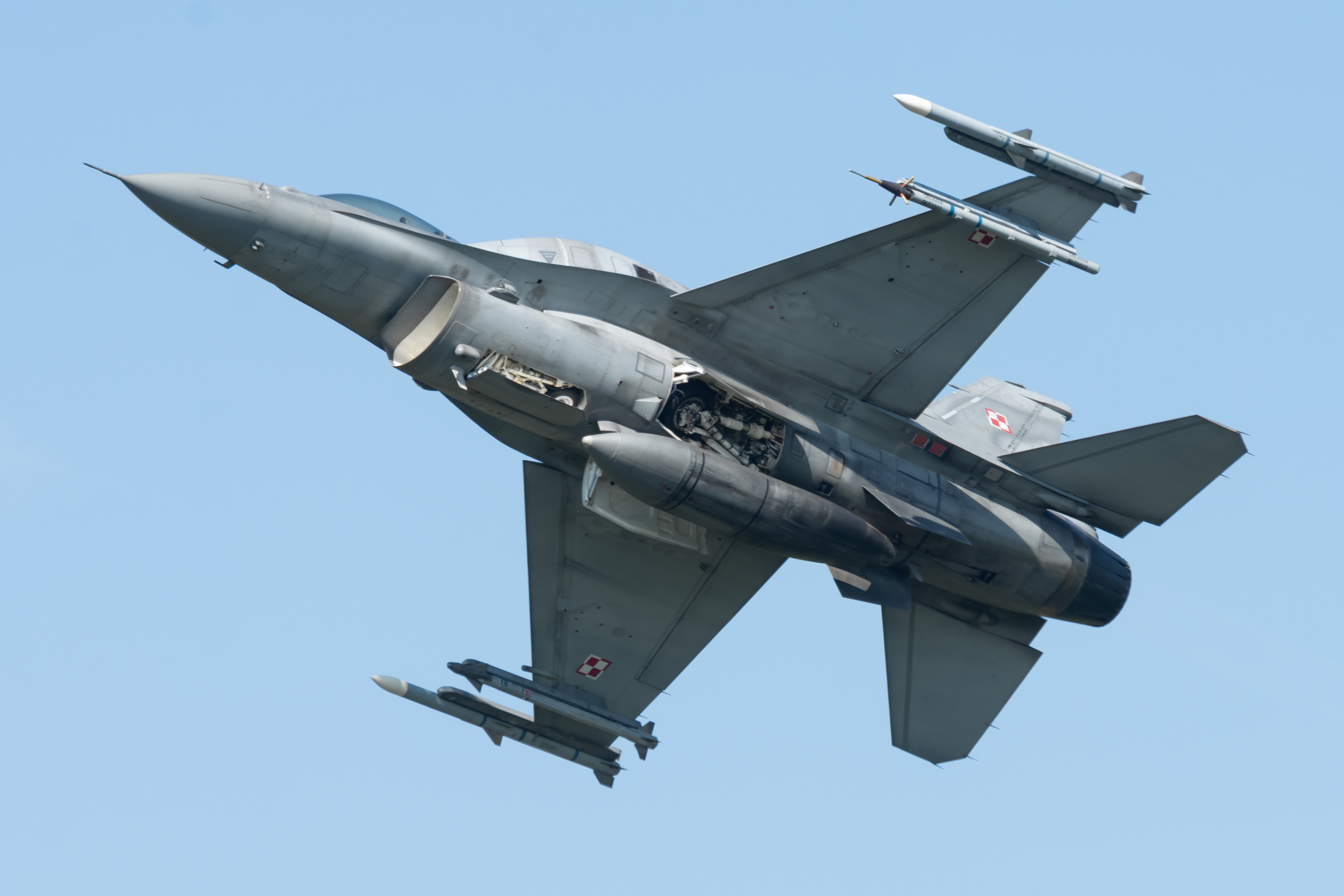
Russia Pounds Ukraine's Grid Overnight, Poland Scrambles Jets Near Border

Myanmar's Coup Leader, Now President, Wins Back Southeast Asian Neighbours
