Airbnb posts fastest revenue growth in three years, unveils $12 billion buyback
The home-sharing platform's third-quarter results beat Wall Street estimates on every major line, as bookings reaccelerated and the board approved its largest share-repurchase program to date.

Airbnb reported its fastest revenue growth in roughly three years for the third quarter of 2026, beating Wall Street estimates on revenue, profit and bookings and prompting its board to authorize a new 12 billion dollar share-repurchase program, according to financial results the company filed with the Securities and Exchange Commission after markets closed on November 5.
Revenue rose 19 percent from a year earlier to 4.87 billion dollars, ahead of the roughly 4.75 billion dollars analysts had expected and above the top end of the company's own guidance range. Nights and experiences booked climbed 16 percent to 155 million, up sharply from 10 percent growth in the prior quarter, while gross booking value — the total dollar value of trips booked on the platform — rose 21 percent to 27.7 billion dollars. Net income reached 1.9 billion dollars, a 39 percent margin, and diluted earnings per share came in at 3.16 dollars, comfortably above the roughly 2.85 dollars Wall Street had forecast, though part of that beat reflected a lower tax provision than a year earlier. Adjusted EBITDA rose 22 percent to 2.5 billion dollars, a 52 percent margin, and free cash flow for the quarter was 1.4 billion dollars.
A reacceleration across every region
The growth was broad-based rather than concentrated in a single market. According to the shareholder letter posted on Airbnb's investor relations site, bookings grew in the mid-teens across Europe, the Middle East and Africa, accelerated into the low 20s in Japan, where the number of first-time bookers rose roughly 35 percent, and grew more than 20 percent in Latin America. The company's push into hotel listings and ancillary services — it launched car rentals this past summer — also contributed, with Chief Executive Brian Chesky telling analysts on the earnings call that "hotels are growing markedly faster than our core business."
Chesky, who co-founded the company in 2007 and has spent much of the past two years steering it toward a broader "travel and living" positioning beyond overnight stays, framed the quarter as confirmation that growth concerns which had weighed on the stock earlier in the year were overstated.
"Airbnb is back in growth mode."
Chief Financial Officer Ellie Mertz echoed that framing on the same call, describing the quarter as showing "a meaningful acceleration across the business" and telling investors the company now expects a full-year adjusted EBITDA margin of approximately 36 percent, up from the "at least 35.5 percent" it had guided to three months earlier.
A bigger buyback and a raised outlook
The headline corporate-finance news was the board's decision to authorize an additional 12 billion dollars in share repurchases, on top of the roughly 2.7 billion dollars that remained under the company's existing program at the end of September. Airbnb repurchased 700 million dollars of its Class A common stock during the third quarter alone. Mertz told analysts the new authorization "reflects the continued confidence in our business performance," a framing that fits a pattern: Airbnb has leaned heavily on buybacks rather than dividends to return cash to shareholders since turning sustainably profitable several years ago.
Management also raised full-year 2026 guidance, now calling for revenue growth in the high teens compared with 2025, alongside the roughly 36 percent adjusted EBITDA margin. For the fourth quarter, the quarterly report Airbnb filed with regulators shows the company guiding to revenue of 3.22 billion to 3.28 billion dollars, implying growth of 16 to 18 percent year over year, including roughly two percentage points of currency tailwind. Gross booking value is expected to grow in the mid-teens in the fourth quarter, and adjusted EBITDA is expected to rise in dollar terms even as its margin ticks down slightly from the year-earlier period, reflecting continued investment in new product lines.
Why the numbers mattered to investors
The results landed at a tense moment for markets more broadly, with major U.S. stock indexes still digesting a sharp sell-off earlier in the week tied to renewed doubts about artificial-intelligence-related valuations. Against that backdrop, Airbnb's reacceleration stood out: shares climbed as much as 11 percent in the session that followed the report, among the largest single-day gains of any major consumer-internet stock that week, according to a market summary of the results. The move reflected relief among investors who had worried that growth in Airbnb's core lodging business was structurally slowing as the home-sharing market matured in large cities such as New York, Paris and Barcelona, where local regulators have tightened short-term rental rules in recent years.
Airbnb's performance also drew a contrast with some of its peers reporting the same week. Payments company Block fell on a profit miss, and several software and consumer-tech names — including Atlassian, which beat estimates but issued cautious guidance — were punished by investors in a market newly sensitive to any sign of decelerating growth. Airbnb's ability to post an acceleration, rather than merely a beat against a lowered bar, is what distinguished its reception from the broader market mood.
What is next
Airbnb's next scheduled test comes with fourth-quarter results, typically reported in February, when investors will watch whether the services push — car rentals, expanded "Experiences" listings, and new hotel inventory — continues to outgrow the core overnight-stays business, and whether international momentum in Japan and Latin America holds up. The company has also signaled plans to lean further into artificial intelligence products, including what Chesky described on the call as a more specialized approach to AI agents for travel planning rather than a single general-purpose assistant, with Chesky arguing the company's "job isn't to be 20 percent better, it's to be multiples better." Management did not give a specific timeline for when those AI features would reach most users.
For now, the scale of the new buyback — among the largest Airbnb has authorized since going public in 2020 — signals that the board sees the stock as undervalued relative to its cash generation, even with shares still below their all-time highs. Whether that confidence is borne out will depend on whether the fourth quarter's guided deceleration from currency effects proves temporary, and on how travel demand holds up heading into 2027 amid broader uncertainty about consumer spending.

Kontoor Brands completes $1 billion Lee jeans sale, lifts profit outlook
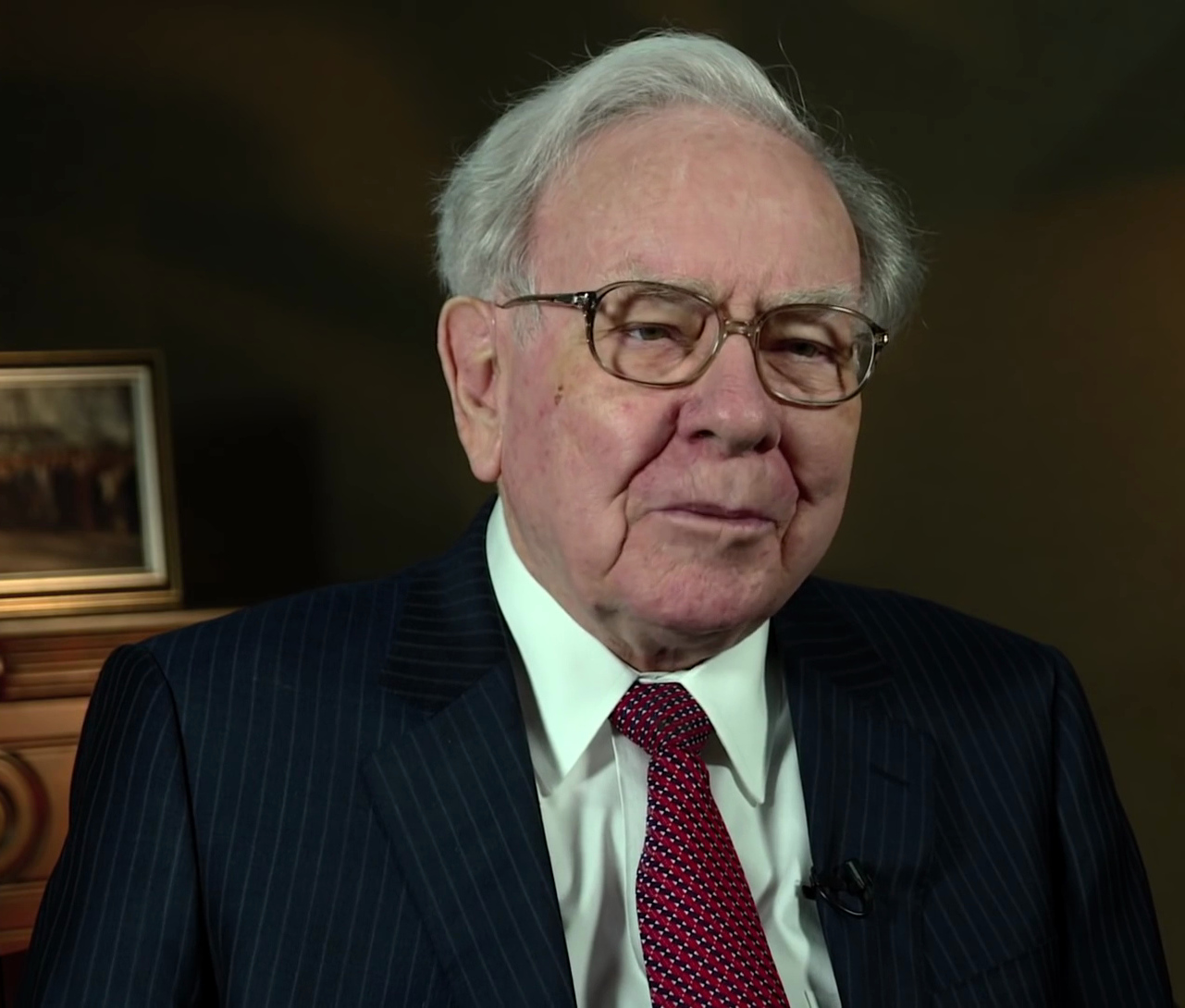
Berkshire Hathaway profit falls 28% as buybacks surge under new CEO Abel

EU Clears AkzoNobel-Axalta Coatings Merger, With a Catch
