Disney profit jumps as new CEO deepens $3 billion cost-cutting push
The Walt Disney Company beat Wall Street's fourth-quarter targets and raised its dividend, even as it told investors an efficiency drive under chief executive Josh D'Amaro will now aim for about $3 billion in annual savings — and more layoffs — by fiscal 2029.
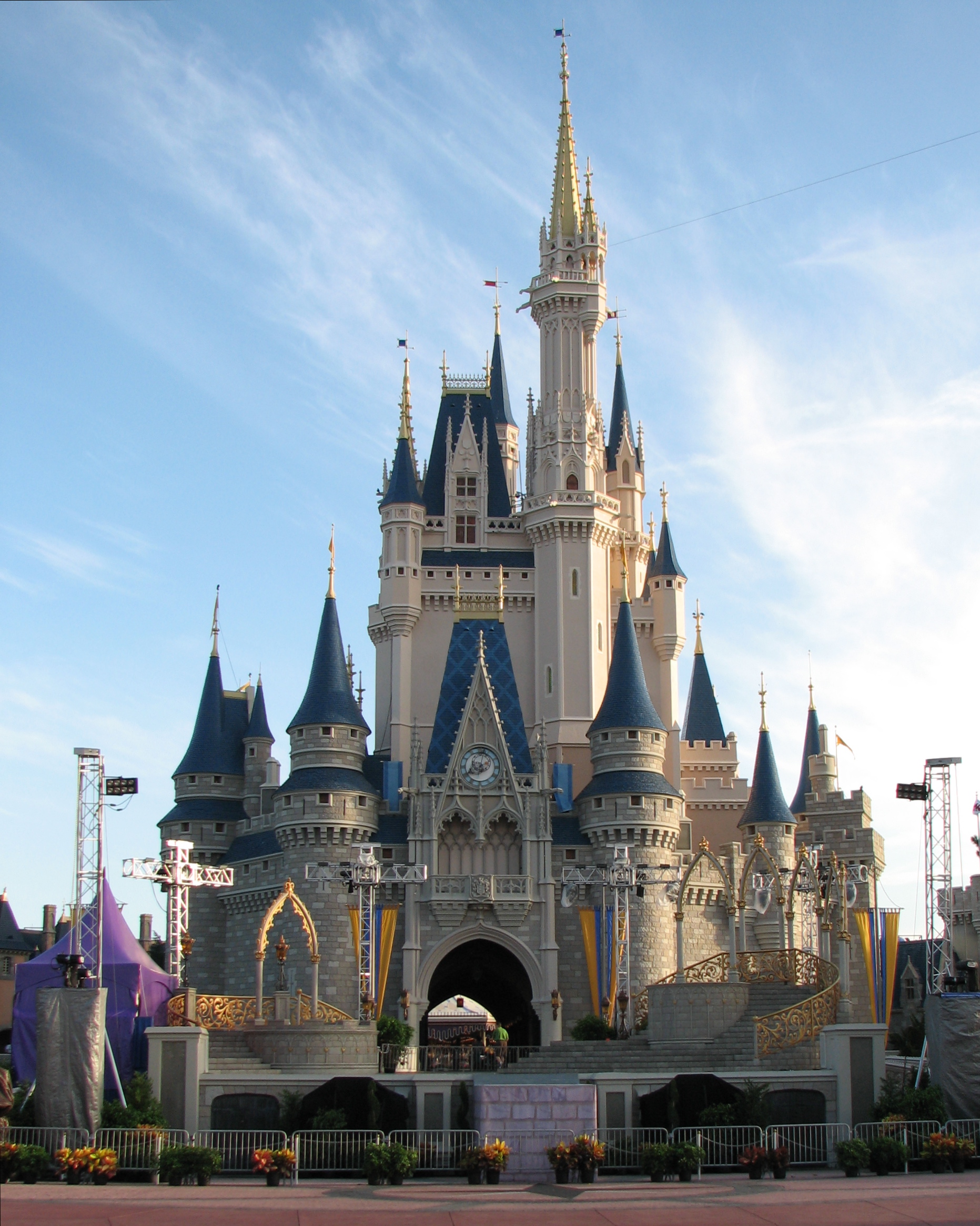
The Walt Disney Company reported a sharp jump in fourth-quarter profit on Tuesday and told investors it is widening a multiyear cost-cutting drive to roughly $3 billion in annual savings by fiscal 2029, even as it raises its dividend and keeps spending heavily on theme parks and original content. The results, detailed in a regulatory filing with the Securities and Exchange Commission, beat Wall Street's expectations and mark the first full-year report delivered entirely under chief executive Josh D'Amaro, who succeeded longtime chief Bob Iger earlier this year and has leaned on job cuts and administrative trims to help fund growth in streaming and in Disney's parks and cruise business.
A quarter and year ahead of forecasts
For the three months ended October 3, which included an extra, 53rd week of the fiscal calendar, Disney posted revenue of $25.9 billion, up 16 percent from a year earlier, and adjusted earnings of $1.77 a share, ahead of the $1.67 that analysts tracked by LSEG had projected. Net income nearly doubled to $2.61 billion, or $1.51 a share, from $1.31 billion, or 73 cents a share, a year earlier. For the full fiscal year, revenue reached $102.3 billion, an 8 percent increase from $94.4 billion in fiscal 2025, while adjusted earnings per share climbed 18 percent to $7.02. Disney said roughly 17 cents of that full-year figure came from the extra week.
Operating income across Disney's three reporting segments rose 43 percent in the quarter to roughly $5 billion, and 12 percent for the full year to $19.7 billion. Experiences, the division that houses its theme parks, resorts and cruise ships, contributed $2.3 billion in quarterly operating income, up 20 percent, as strength at domestic parks — particularly Walt Disney World — offset continued softness in attendance at Hong Kong Disneyland and Shanghai Disney Resort. For the full year, Experiences operating income rose 12 percent to $11.2 billion, making it comfortably the company's largest profit engine. Entertainment, which includes Disney's film studios and streaming services, saw quarterly operating income nearly double to $1.3 billion as streaming revenue grew 19 percent to roughly $6.1 billion; Disney has said it will stop breaking out Disney+ and Hulu subscriber totals going forward, a change that makes profitability, rather than subscriber counts, the metric investors are now pushed to watch. The Sports segment, anchored by ESPN, posted quarterly operating income of about $1.4 billion, up more than 50 percent, and $3.1 billion for the full year.
Disney's board also declared an annual dividend of $2.00 a share for the coming year, a 33 percent increase over the $1.50 paid in fiscal 2026, to be distributed in two installments, in January 2027 and July 2027. The company bought back $9 billion of its own stock during the fiscal year, including $1.8 billion in the fourth quarter, bringing total cash returned to shareholders to $11.6 billion. Those figures were laid out in earnings materials that Disney's investor-relations office had scheduled for release before trading opened on Tuesday, followed by an executive webcast with analysts.
The cost-cutting math
The headline figure to emerge from the report was Disney's disclosure that an efficiency program launched under D'Amaro is now expected to generate approximately $3 billion in annual run-rate operating-expense savings by fiscal 2029. Most of that money, the company said, is intended to be reinvested in the business — funding, among other things, a fiscal 2027 content budget of roughly $26 billion, up 9 percent from the prior year — though a portion is expected to eventually flow to the bottom line rather than simply being plowed back into production and marketing.
Achieving those savings is expected to involve further job losses on top of several rounds of layoffs Disney has already carried out this year, including cuts tied to a consolidation of marketing operations in the spring and more recent reductions touching corporate, technology and human-resources staff. CNBC reported that the newest phase of the push has told some managers to find savings of up to 20 percent in their budgets, and that further cuts could extend into creative units such as Marvel Studios.
"We do expect more layoffs."
That was chief financial officer Hugh Johnston's blunt assessment on the earnings call, according to the CNBC account of the session. D'Amaro, for his part, described the job cuts as "not easy" and said they affect employees who "care deeply about Disney," language that underscored the tension between a cost program investors have rewarded with a higher stock price and a workforce that has absorbed repeated rounds of reductions over the past year. Employees in technology, human resources, marketing and parts of the studio system have borne the brunt of the cuts so far, according to reporting this year, even as Disney has continued to add staff in areas such as artificial intelligence and park operations.
Parks, streaming and new technology bets
Away from the balance sheet, Disney used the report to emphasize momentum in its Experiences division, which generated $11.2 billion in operating income for the full fiscal year. In a note posted to Disney's own newsroom, D'Amaro called fiscal 2026 "a defining year" for the company, adding that "Disney isn't just the world's leading entertainment company. We are a growth company," and that the Experiences results "underscore how differentiated a Disney vacation is to our fans and reinforce our confidence in the attractive returns we can generate from our investments."
- Disney named Karandeep Anand as its first chief technology officer
- It struck a generative-artificial-intelligence partnership with Adobe
- It is piloting an AI-powered vacation-planning tool at Walt Disney World, built in partnership with Google
Those moves, layered onto an already large capital-spending plan, point to a company trying to use technology both to cut internal costs and to sell more effectively to the tens of millions of guests who visit its domestic parks each year. Variety reported that the savings target is explicitly meant to offset rising content and technology spending rather than to shrink the overall business, consistent with the roughly 9 percent increase in planned fiscal 2027 content investment that Disney disclosed alongside the cost program.
What investors and analysts are watching next
Disney's guidance for fiscal 2027 points to continued double-digit growth in adjusted earnings per share and roughly 8 percent growth in total segment operating income, with the bulk of that improvement expected in the first half of the year. Experiences and Entertainment operating income are both expected to grow in the high single digits, while Sports operating income is projected to grow by double digits once the effect of the extra fiscal week is stripped out. The company projected capital expenditures of about $9 billion, free cash flow of roughly $11 billion, and share repurchases of about $9 billion, alongside an effective tax rate in the low twenties.
Going into the report, options markets had priced in roughly a 7.5 percent swing in Disney's share price, above the stock's ten-year average move on earnings day, reflecting how closely investors have been watching the balance between the company's cost discipline and its spending plans. Analyst sentiment heading into the quarter was broadly positive, with the bulk of coverage rating the stock a "buy," and the beat on both revenue and adjusted earnings gives D'Amaro's management team a concrete data point as it argues that cost discipline and growth investment can coexist rather than compete. Still, the acknowledgment of further layoffs, and continued weakness at Disney's parks in Hong Kong and Shanghai, leave open questions about how evenly that growth will be distributed across the company — and about how many more jobs will ultimately be eliminated as the $3 billion savings target comes into sharper focus over the next three fiscal years.

Nvidia beats estimates in first earnings report since Jensen Huang's ouster as CEO

Home Depot Names CFO McPhail as CEO, Beats Earnings Estimates as Decker Steps Back

Keurig Dr Pepper raises $2.25 billion in upsized stock sale to cut debt before coffee-soda split
