Ukraine says strike collapsed arch of Russia's Crimean Bridge in 'unprecedented' operation
President Volodymyr Zelensky says a seven-phase campaign culminated in a cruise-missile and drone strike that brought down a central arch of the bridge linking Russia to annexed Crimea; the Kremlin says it will be rebuilt, but engineers warn repairs could take over a year.

Ukraine's military said it brought down a central arch of the Crimean Bridge overnight on Nov. 17, severing the only direct road and rail route between Russia and the Crimean peninsula it annexed in 2014. President Volodymyr Zelensky described the strike as the climax of an "unprecedented operation" built up over seven phases and several weeks, timed days before Russian President Vladimir Putin is due to meet his Chinese and American counterparts in China.
Footage posted by Ukrainian officials and verified by the BBC showed one of the bridge's metal arches and the roadway beneath it gone, with wreckage visible in the water of the Kerch Strait. Ukraine's security service, the SBU, said "one of the metal arches and the automobile span under it were completely destroyed," adding that the attack had shattered "the myth of the greatness of the Russian Federation."
A seven-phase operation
Zelensky said Ukrainian forces had spent weeks "systematically" dismantling the air-defence systems, radars and electronic-warfare equipment protecting the crossing before the final assault. In the last phase, he said, domestically produced Palianytsia drones struck the road section while Neptune missiles and Ruta and FP-5 drones hit the rail line, and a Flamingo cruise missile delivered what he called a precision blow, with its guidance link "functioning perfectly right up to the final seconds."
The strike followed a separate drone attack on the bridge on Nov. 16. Sergei Aksyonov, the Moscow-installed head of occupied Crimea, said traffic across the crossing had been suspended, and Russia's transport ministry confirmed both road and rail services were halted, saying "there are no casualties" on the bridge itself according to preliminary findings. A separate Ukrainian drone attack elsewhere on the peninsula overnight killed at least two people, Aksyonov said. Russian air-defence units reported shooting down more than 1,400 drones over 23 regions on the same night, with upward of 800 aimed at Moscow, according to Russia's defence ministry, cited by Al Jazeera's Moscow correspondent. Russian officials described it as the largest such barrage of the war.
Moscow did not let the strike go unanswered. Overnight, Russian ballistic missiles hit the Pivnichnyi (Northern) and Pivdennyi (Southern) bridges across the Dnipro River in Kyiv — crossings an estimated three million residents rely on — damaging elevated metro lines and cutting heating and water to buildings on the capital's left bank, Mayor Vitaliy Klitschko said. Three people were injured in a separate missile strike on the central Cherkasy region, local officials reported.
Putin's pet project
The Crimean Bridge was built after Russia seized and annexed Crimea in 2014, a move the UN General Assembly declared without legal validity the same year, and which the European Union has never recognised under a standing Council decision barring trade and investment tied to the peninsula. The 19-kilometre (11.8-mile) span across the Kerch Strait, built at a reported cost of roughly $3.6–4 billion, opened to road traffic in 2018 — Putin marked the occasion by personally driving a truck across it — with rail passenger service following in 2019. His close associate, the construction magnate Arkady Rotenberg, built it.
In Russia and Ukraine alike, the bridge has long been read as more than infrastructure. For Moscow, it was proof the annexation was permanent. For Kyiv, it has been "one of the main symbols of Russia's continuing occupation," as the BBC's Ukraine coverage has put it, and a repeated target: Ukrainian operations damaged it in October 2022 and again in July 2023, though neither strike previously took it out of service for long.
The Kremlin confirmed Putin had been briefed on the damage. According to the Kremlin's own account of the briefing, Deputy Prime Minister Marat Khusnullin updated the president following a meeting of a newly convened Government Commission for Recovery Efforts, and said a detailed repair plan and timetable would be drawn up. Kremlin spokesman Dmitry Peskov separately told reporters there was "no doubt" the crossing would be restored "even better than before." Russia's Investigative Committee said it had opened a criminal case on terrorism charges over the attack.
A logistics headache with no easy fix
Engineers and military analysts were less confident repairs would come quickly. Andrii Kharuk, a Ukrainian military aviation expert, told the Kyiv Independent that restoring the collapsed span could take "not just months, but a year or even longer," noting the arch section weighs an estimated 6,000 tonnes, was assembled onshore near Kerch over months before being floated into place, and "cannot even be replaced with some kind of temporary makeshift solution."
"The very concept of a secure Russian rear area has been completely dismantled," Anatolii Khrapchynskyi, a Ukrainian aviation expert and former air force officer, told the Kyiv Independent, adding that occupying forces were "losing full operational connectivity with Crimea."
With the road link severed and the rail arch still standing but likely to face load restrictions pending inspection, Russia's remaining options for supplying roughly two million residents of occupied Crimea — along with the military units based there — are limited. A ferry crossing at the strait has only limited capacity and has itself previously been targeted; supply by sea around the peninsula is exposed to Ukrainian naval and aerial drones. Debris from the collapsed arch may also complicate passage through the strait's shipping channel, with knock-on effects for Russian-controlled ports on the Sea of Azov, including Mariupol and Berdyansk. An overland corridor through Russian-occupied Zaporizhzhia and Kherson regions remains open, though Kyiv has been systematically striking roads, rail lines and crossings around Chongar in the same area. Widespread power outages were reported across Crimea on Nov. 17, though officials had not confirmed by evening whether they were linked to the strikes.
Reaction and what comes next
The timing was pointed. The strike landed days before Putin is scheduled to meet U.S. President Donald Trump and Chinese President Xi Jinping in Shenzhen on Thursday, a summit China's foreign ministry has said will address matters of "groundbreaking significance," including "safeguarding world peace." Trump has pushed to broker an end to the war, though a round of talks in the United Arab Emirates last week produced no breakthrough, and Zelensky had warned in the preceding days that Ukraine would respond to Russian strikes with attacks of its own on "strategic" targets.
Reaction in Washington was mixed. U.S. Defense Undersecretary Elbridge Colby told reporters the strikes risked hardening, rather than softening, Russian resolve, saying attacks on infrastructure "have not been effective in driving an end to the war" and could strengthen "the Kremlin's own willingness to escalate." Ukrainian officials and ordinary citizens framed it differently. "We're drinking champagne," one Kyiv resident told the BBC, adding that the strike would "deal a very heavy blow to the morale of the Russians."
For now, both road and rail traffic across the bridge remain suspended, and the extent of the disruption to Crimea's fuel, food and military supply chains is likely to become clearer only in the coming days. Russian officials have signalled they intend to rebuild rather than abandon the crossing, but independent engineering assessments suggest that process is likely to stretch well into next year, leaving occupied Crimea more isolated from mainland Russia than at any point since the bridge opened eight years ago.
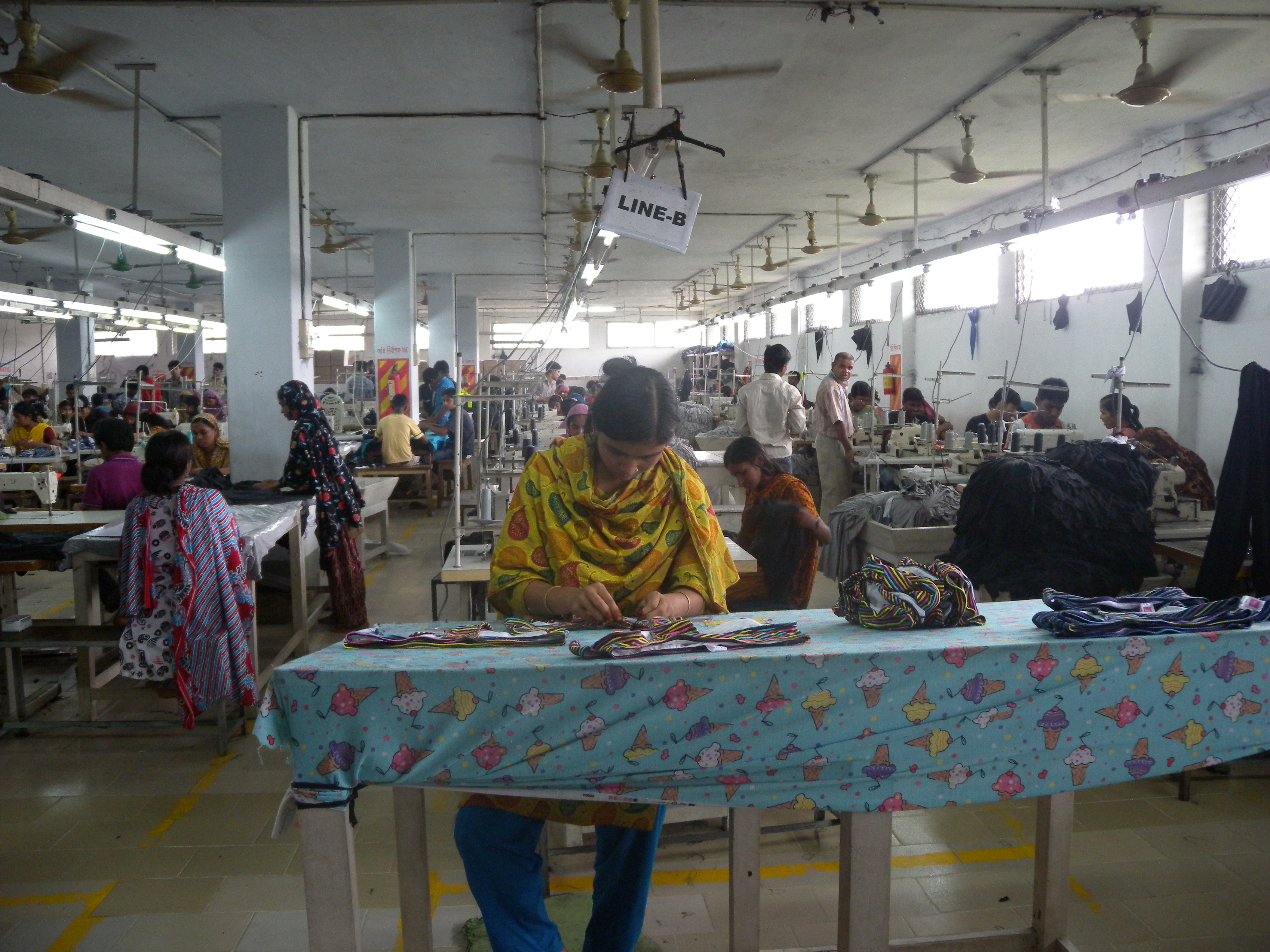
Bangladesh garment workers clash with police as wage talks stall for third time

Mozambique Opposition Leader Goes on Trial on Terrorism Charges Over Deadly Protests

EU adds 113 names to Russia sanctions list as Ukraine peace talks resume under strain
