GLP-1 Prescriptions for Children Under 12 Surge 310-Fold, Study Finds, Despite No FDA Approval
A national study of 3.5 million children found GLP-1 weight-loss drug prescriptions for 8-to-11-year-olds with obesity rose sharply since 2019, all of it off-label use that outpaces the safety data available for that age group.

Prescriptions of GLP-1 weight-loss drugs to children as young as 8 have risen sharply over the past several years, according to a nationwide study published this month, even though no version of the medications is approved for use in children under 12 and long-term safety data for that age group do not exist.
The study, published in the journal Pediatrics by researchers at NYU Grossman School of Medicine, examined electronic health records for more than 3.5 million American children ages 8 to 11 who had obesity but not diabetes, tracking prescribing patterns from January 2019 through June 2026. It is described by its authors as the first national picture of how GLP-1 receptor agonists — the class of drugs that includes Wegovy, Saxenda and Zepbound — are being used in that specific age group.
A steep rise from a rare start
The numbers show a drug class moving from the margins of pediatric practice toward the mainstream, even if usage remains low in absolute terms. Prescribing rates for GLP-1s among children 8 to 11 with obesity climbed from 0.03 percent in 2019 to 9.3 percent by the first half of 2026, a roughly 310-fold increase, according to a summary of the findings released by NYU Langone Health. Across the full study period, 20,282 children in that age bracket were prescribed one of the drugs. Measured against the entire study population, that works out to about 0.6 percent of all 8-to-11-year-olds with obesity ever receiving a prescription — a reminder that even a triple-digit percentage jump can start from a very small base.
For comparison, 0.9 percent of adolescents ages 12 to 17 with obesity received a GLP-1 prescription over the same period — a group for which the drugs are approved and for which use has been rising for longer. Among the younger children who were prescribed the medications, 93.7 percent had severe obesity, meaning a body mass index well above the 95th percentile for their age and sex, and 65.2 percent had at least one obesity-related condition such as high cholesterol, high blood pressure or sleep apnea. About a quarter were classified as prediabetic.
How the drugs reached young children
None of the GLP-1 drugs examined in the study carry federal approval for children under 12. The FDA's own prescribing label for Wegovy states plainly that the drug's safety and effectiveness "have not been established in pediatric patients less than 12 years of age." Any prescription written for an 8-, 9-, 10- or 11-year-old is therefore off-label, a legal but unstudied use that leaves dosing, duration and long-term risk largely to individual physician judgment.
The pathway that put GLP-1s within reach of pediatricians runs through the treatment of adolescents and adults. Semaglutide, the active ingredient in Wegovy, was approved by the FDA for chronic weight management in adults in 2021 and later cleared for adolescents 12 and older. The American Academy of Pediatrics followed with its 2023 clinical practice guideline on childhood obesity, which for the first time formally recommended considering pharmacotherapy, including GLP-1s, for adolescents alongside intensive behavioral treatment, replacing an older "watchful waiting" approach. That guideline covers 12-and-older; it does not extend prescribing recommendations to the 8-to-11 age group, leaving physicians who treat younger children with severe, complication-laden obesity to weigh off-label use largely on their own.
The broader disease trend has not slowed. Roughly one in five American children and teenagers now has obesity, according to the most recent federal survey data, a share that has climbed for decades and that has left pediatricians managing more young patients with weight-related complications once seen almost exclusively in adults.
Who is affected
The study also found the increase has not been evenly distributed. Children in higher-income communities were 55 percent more likely to be prescribed a GLP-1 than those in lower-income areas, a disparity the researchers said raises questions about which families are gaining access to a costly, insurance-contested class of drugs and which are not. List prices for the injectable medications commonly run into the hundreds of dollars a month without coverage, and insurers frequently require documentation of comorbid conditions or prior unsuccessful attempts at lifestyle treatment before approving a claim, factors that tend to favor families with more consistent access to specialty care.
"Our study offers the first national overview in young children of the use of GLP-1 drugs to fight the obesity epidemic in the United States and shows that while the absolute numbers of children under the age of 12 receiving GLP-1 treatment is still low, GLP-1 use is accelerating rapidly," said Dr. Babak J. Orandi, an associate professor at NYU Grossman School of Medicine and one of the study's authors.
Orandi's co-author, Allan B. Massie, an associate professor of surgery and population health at NYU Grossman, framed the access question directly, saying physicians and health policymakers "have a responsibility to ensure, as use of GLP-1 medications continues to rise, that all young children with obesity who need these drugs have access to them" — a statement that implicitly acknowledges the income gap the data revealed.
Caution alongside the growth
Not every specialist views the trend as reassuring. Pediatric researchers at UC Irvine Health have separately urged caution on GLP-1 use in children, warning that the drugs act on receptors involved in brain signaling and metabolism during a period of active growth and development, and that too little is known about what years of exposure might do to a child's growth trajectory, bone density, muscle mass or psychological development. Because clinical trials supporting GLP-1 approval have concentrated on adolescents and adults, physicians treating younger children are largely extrapolating from data that was not collected on patients their age.
The rapid growth in adolescent prescribing has already drawn scrutiny of a different kind. A STAT News investigation into how pediatric obesity guidelines were developed found that several authors and advisers involved in shaping GLP-1 treatment recommendations had financial ties to the companies that manufacture the drugs, a disclosure that has fed broader debate over how quickly pharmacotherapy has been embraced as a frontline option for children.
The Pediatrics study's authors said the next step is longer-term monitoring of the children who have already started treatment, to track effects on growth, nutrition and metabolic health over years rather than months. No federal agency has signaled plans to expand GLP-1 approval to children under 12 in the near term, and the AAP's guideline has not been revised since 2023. For now, prescribing to that age group will remain a judgment call made case by case in pediatricians' offices, guided by data the researchers say is still being assembled in real time.

Triumph Recalls 1,560 TF 450 Motocross Bikes After Engine Defect Tied to Rider's Broken Bone

AGA and La Cornue recall thousands of luxury ranges over gas leak risk
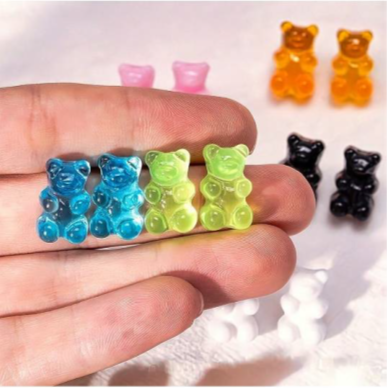
CPSC recalls SHEIN bear-shaped magnets over child ingestion, death risk