Strep infections found at more than 100 times the usual rate among homeless residents of a Montana county
A federal investigation in Missoula County, Montana, found that invasive and severe group A strep infections occurred at more than 100 times the rate among people experiencing homelessness as among their housed neighbors, adding a detailed local case study to a national pattern researchers have been tracking for over a decade.
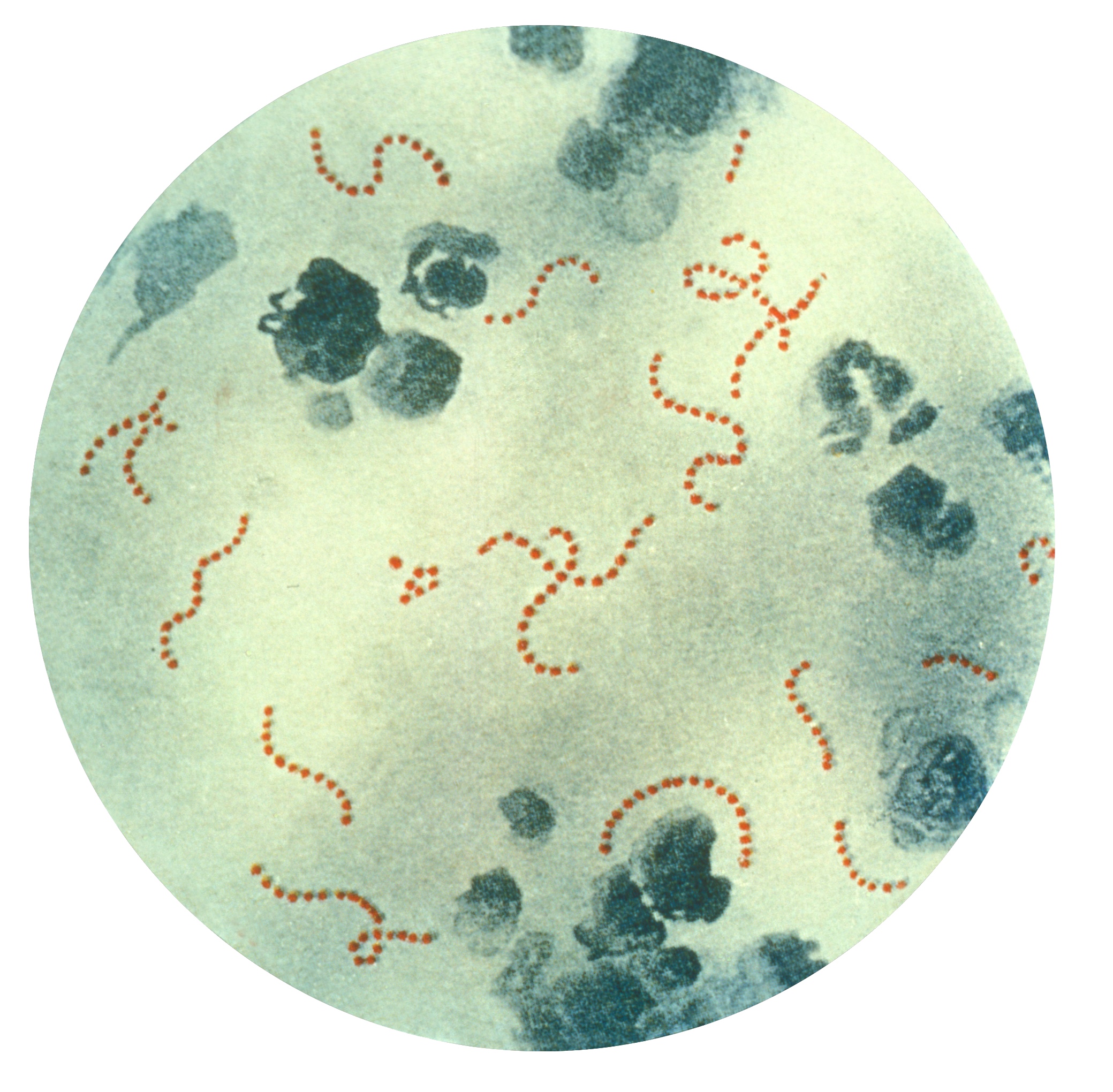
Federal and Montana health officials have identified a sharply elevated rate of group A streptococcus infections among people experiencing homelessness in Missoula County, with the sickest patients requiring hospitalization and, in one case, dying from the infection. The findings, published October 29 in the Centers for Disease Control and Prevention's Morbidity and Mortality Weekly Report, describe a 14-month surveillance effort that began after local clinicians noticed a cluster of severe cases linked to two homeless shelters in Missoula.
Investigators identified 69 cases of group A strep infection in the county between July 2024 and September 2025. Of those, 39 cases — 57 percent — occurred among 36 people who were homeless, even though that population made up only about 1 percent of the county's roughly 123,000 residents. The estimated incidence of infection among homeless residents was 2,285 cases per 100,000 person-years, compared with 21.5 per 100,000 among the rest of the county, a rate ratio of 106.1. Among the homeless patients, 34 — 87 percent — needed hospital care, including 15 cases classified as invasive, the most serious form of the disease. One of those patients died.
How the cluster was found
The investigation began with ordinary disease surveillance. Between November 2024 and August 2025, the Montana Department of Public Health and Human Services detected 20 cases of strep infection tied to the two shelters and grew concerned about a possible outbreak. Montana had only recently made invasive group A strep a reportable condition, as of July 2024, giving the state department fresh visibility into the problem. State officials requested help from the CDC, which sent an epidemiology team to Missoula.
Starting in September 2025, investigators expanded their surveillance, pulling laboratory reports and medical records directly from local health care facilities and sequencing the genomes of available bacterial samples at the Utah Public Health Laboratory and CDC. That expanded effort, combined with reaching back to capture cases from earlier in the surveillance period, turned up 18 additional cases among homeless patients that routine reporting had missed — described in a related CDC conference presentation on the same investigation.
Genetic sequencing of 23 of the bacterial isolates found six distinct strains circulating in the cluster, which investigators said points to multiple separate chains of transmission rather than a single common source. Among the homeless patients, 87 percent had wounds or skin breakdown at the time of diagnosis, 69 percent had a documented history of substance use, and 26 percent had documented injection drug use — a recognized risk factor for the most severe form of the infection.
Part of a broader national trend
The Missoula findings echo a pattern that national researchers have been documenting for years. A study published in JAMA in 2025, drawing on surveillance data from 10 states covering nearly 35 million people, found that overall rates of invasive group A strep infection roughly doubled between 2013 and 2022, from 3.6 to 8.2 cases per 100,000 people, with 21,312 cases and 1,981 deaths recorded over that span. The increase was far steeper among people experiencing homelessness, whose estimated infection rate climbed from 85 to nearly 807 cases per 100,000 over the same decade. People who inject drugs and residents of long-term care facilities also showed elevated rates, according to the study, which also found that antibiotic resistance to common treatment options nearly tripled among the bacterial strains it tracked.
"Accelerated efforts to prevent and control GAS are needed," the study's authors concluded, pointing to homeless and drug-using populations as priorities for intervention.
Group A strep bacteria are common and highly contagious, typically spreading through respiratory droplets or contact with infected sores, according to the CDC's background guidance on the organism. Most infections are mild, such as strep throat or impetigo, but the bacteria can also cause cellulitis, necrotizing soft-tissue infection and streptococcal toxic shock syndrome when they enter the bloodstream or deep tissue, often through a break in the skin.
Why homelessness raises the risk
Clinicians who study wound care among unhoused populations have pointed to several overlapping factors that make this group more vulnerable to skin infections progressing into dangerous bloodstream or soft-tissue disease: limited access to clean wound dressings and regular bathing, exposure to the elements, crowded shelter conditions that can facilitate transmission, and barriers to timely medical care that allow minor wounds to worsen before they are treated. A 2025 review in Nursing Clinics of North America on wound management in homeless populations noted that blunt or penetrating trauma, burns and pressure injuries are common precursors to the kind of skin breakdown that gave the Missoula bacteria an entry point.
The CDC investigators cautioned that their count of 39 cases almost certainly understates the true toll. Tracking infections by housing status is difficult, they wrote, because of inconsistent access to health care among homeless patients, a shifting and hard-to-measure population size, and incomplete documentation of housing status in medical records — meaning cases are likely missed even with enhanced surveillance in place.
What happens next
In response to the findings, Montana's health department now routinely collects housing status information whenever it investigates a case of invasive group A strep, rather than relying on it being volunteered in medical records. State officials said they are also developing thresholds for when to scale enhanced surveillance efforts up or down in response to future case clusters, among homeless populations or other high-risk groups.
The CDC report frames the Missoula findings as a model for other communities grappling with similar clusters: better case detection depends on deliberately capturing housing status at the point of diagnosis, not assuming it will surface on its own. For a population already facing steep barriers to care, the report's authors wrote, early detection "remains a high priority" for preventing the infection's progression to its most severe and lethal form.
Clocks fall back Sunday as Senate leaves daylight-saving bill in limbo
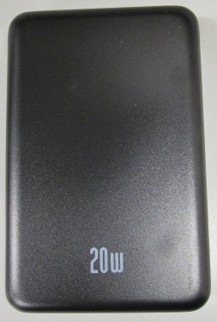
Power bank sold on Amazon recalled after 600 reports of fires and burns
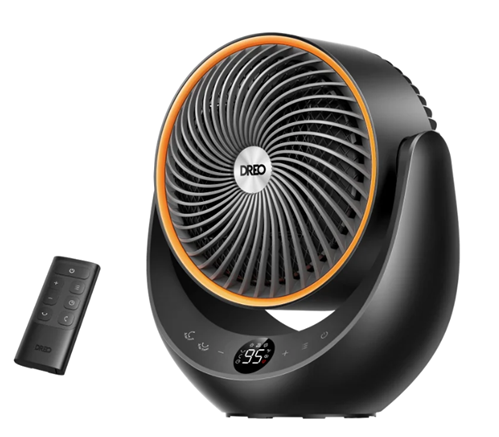
Dreo recalls 338,800 space heaters in the U.S. after reports of fires, burns
