Power bank sold on Amazon recalled after 600 reports of fires and burns
Federal regulators say lithium batteries in roughly 11,000 HAIARA-brand chargers, sold through Amazon for about $20, can explode or ignite. The seller has already logged three burn injuries and nine property-damage claims.
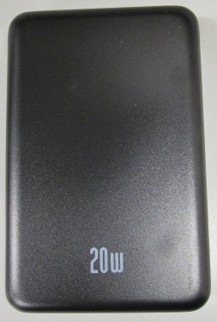
The U.S. Consumer Product Safety Commission on Wednesday announced the recall of about 11,000 HAIARA-brand power banks sold through Amazon, saying the devices' lithium batteries can explode and ignite, posing fire and burn hazards. The recall notice covers the W5 PRO model sold by the third-party Amazon seller Mitrytech, a China-based firm doing business under the HAIARA brand name.
The agency and the company have already received 600 reports of fire or other thermal incidents tied to the product, including three reports of burn injuries and nine reports of property damage, according to the recall filing. The chargers were sold on Amazon.com from May 2025 through September 2026 for between $18 and $22.
A recall with an unusually high incident count
Six hundred incident reports against roughly 11,000 recalled units is a notably high rate for a CPSC recall of this size. By comparison, an August 2025 recall of about 24,000 ESR HaloLock wireless power banks, distributed by Waymeet, was prompted by nine reports of batteries catching fire. The CPSC's filing does not say how it or Mitrytech identified the 600 figure, whether all of those reports involve units within the recalled population, or how they break down between minor overheating and open flame. The notice is explicit on the hazard itself, stating plainly that "the power bank's lithium battery can explode and ignite, posing fire and burn hazards to consumers."
The recalled chargers are black, roughly pocket-sized, and marked "20W" on the front with "Model: W5 PRO" printed on the side. The agency's notice says the affected units can be identified by the absence of a date code — a string of eight digits formatted as year, month and day — on the side of the device; units bearing a date code are not part of the recall.
Part of a recurring problem with portable chargers
The HAIARA recall is one of several lithium-ion power bank recalls the CPSC has issued over the past 18 months, most involving battery packs sold by lesser-known brands through online marketplaces. In April, the agency and the company Casely reannounced a recall of about 429,200 Power Pods MagSafe battery packs after a 75-year-old New Jersey woman died from burns suffered when a unit ignited on her lap, and after a separate incident in February 2026 in which a Power Pod caught fire in flight and caused first-degree burns to a passenger. That recall was first issued in April 2025, after 51 reports of overheating or swelling batteries and six minor burn injuries, and was expanded after the agency logged 28 further reports, including the two serious incidents, as Fox Business reported at the time.
Fire officials and product-safety researchers have linked a rising share of consumer-electronics fires to lithium-ion cells in portable chargers, e-bikes and similar devices, which can enter a self-sustaining chemical reaction known as thermal runaway if a cell is damaged, overcharged or poorly manufactured. Once that reaction starts, it is difficult to extinguish with water alone and can reignite hours later after appearing to have gone out, which is why fire departments generally recommend letting a damaged lithium battery burn out in a safe, isolated location rather than attempting to fully extinguish and move it. The HAIARA recall was one of 17 recalls and safety warnings the CPSC posted on the same day, in a batch that also covered space heaters, a child's furniture line and other products — underscoring how often battery- and heat-related hazards now make up the agency's weekly workload.
"The power bank's lithium battery can explode and ignite, posing fire and burn hazards to consumers."
Who is affected and what to do
The recall applies only to buyers who purchased the HAIARA W5 PRO directly from the Mitrytech storefront on Amazon.com between May 2025 and September 2026; the agency's notice does not indicate the product was sold through any other retailer. Consumers are told to stop using the power bank immediately. To receive a refund, the CPSC's announcement instructs owners to write "recalled" on the device in permanent marker, photograph it, and email the image to [email protected], or visit www.haiara.net/recalls.html for instructions. No phone number is listed for the firm.
Because lithium-ion batteries cannot go in household trash or standard curbside recycling, the agency advises contacting a local hazardous-waste facility for proper disposal once a refund has been processed. In the meantime, safety officials generally recommend keeping any lithium-ion charger away from flammable surfaces while in use, not charging a device overnight unattended, and discontinuing use immediately if a battery feels hot, swells or emits an odor.
What happens next
The CPSC typically monitors a recalling firm's compliance with the agreed remedy and can pursue civil penalties if a company fails to notify consumers or process refunds as promised; the agency's hotline, 800-638-2772, takes reports from consumers who believe they have an affected product but cannot reach the company directly. No additional incidents have been reported since the recall was announced. Given the small number of units involved relative to the broader market for portable chargers, the case is likely to register mainly as another entry in a now-familiar pattern: inexpensive, marketplace-sold battery packs recalled after fire reports accumulate faster than regulators can act. Consumers shopping for a replacement charger ahead of the holiday travel season may want to check a product's recall history on the CPSC's own site before buying one from an unfamiliar marketplace brand.
Dreo recalls 338,800 space heaters in the U.S. after reports of fires, burns

Strep infections found at more than 100 times the usual rate among homeless residents of a Montana county

Tablet before bed didn't suppress toddlers' melatonin, small study finds