Trump order requires federal contractors to clear congressional inquiries with the White House
A new executive order directs companies holding federal contracts to notify the White House of congressional information requests and withhold material it deems privileged, drawing an immediate protest from the Democrat set to lead the House's chief investigative committee.
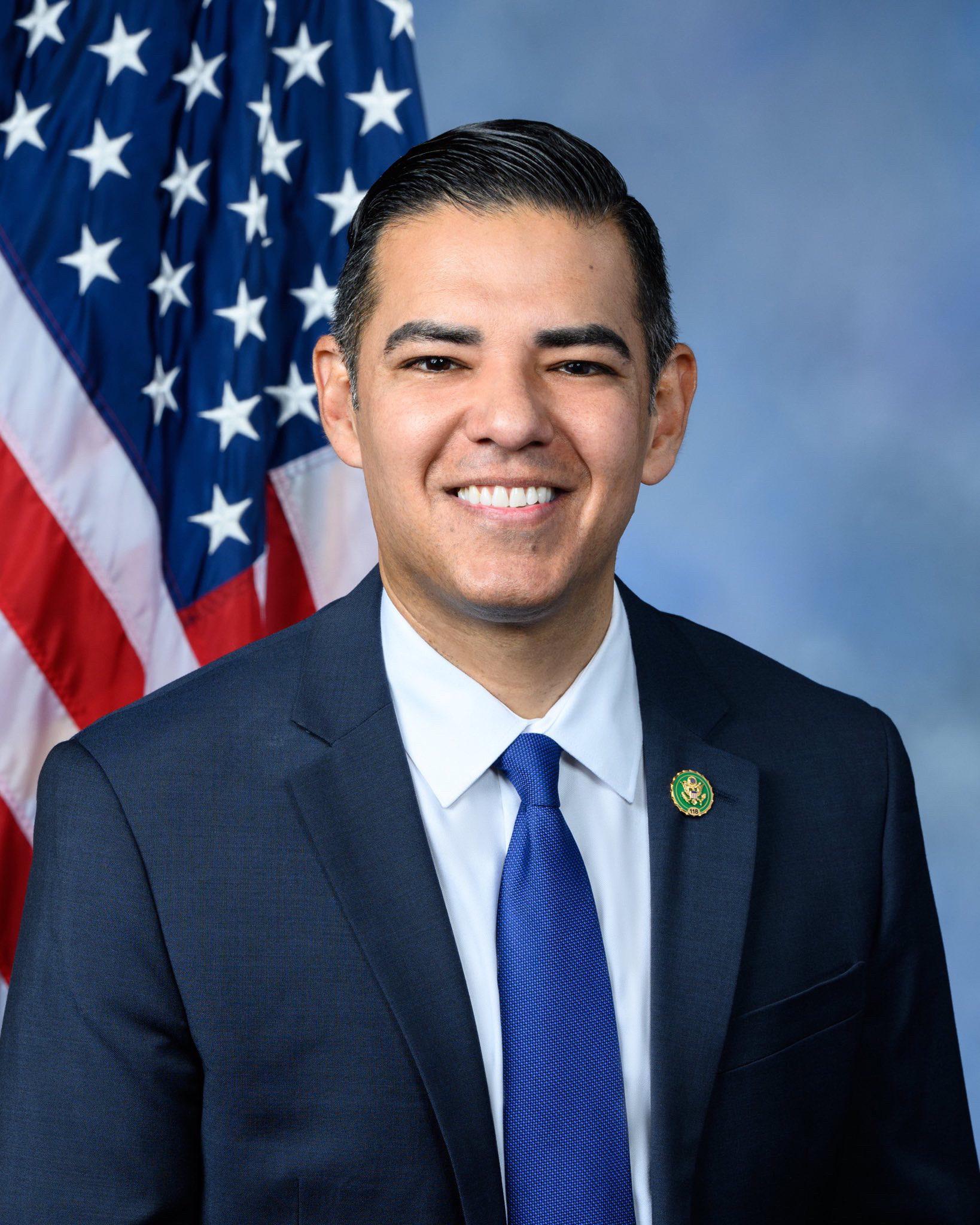
President Trump signed an executive order late Friday requiring companies that hold federal contracts to notify the White House before turning over information sought by Congress, a move that drew an immediate rebuke from the Democrat in line to lead the House's main oversight committee and sets up a fresh confrontation over the separation of powers as control of the chamber changes hands in January.
The order, titled "Protecting the Executive's Privileges and Enhancing Efficiencies in Federal Contracting," was issued Nov. 20 and applies to federal contractors and their subcontractors across the government. It requires them to notify both the White House and their contracting agency of "any pending and future congressional request" touching on their communications or work with the executive branch, and to follow instructions from the administration on withholding material it decides is covered by executive privilege. Companies that do not comply face the possibility of having contracts terminated or being suspended or debarred from future federal work, according to the order and a fact sheet the White House released alongside it.
What the order does
The order's stated rationale is that Congress "cannot seek information" from agencies, employees or contractors "without a valid legislative purpose that does not intrude on core Executive functions," and that the executive branch needs assurance that sensitive communications with contractors will not reach "unauthorized third parties." It accuses unnamed "congressional leaders" of threatening to intrude on executive prerogatives by "harassing private companies that contract with the federal government," though neither document cites a specific episode of harassment. The Office of Management and Budget is directed to issue guidance within an unspecified period to help agencies, contractors and the White House coordinate their responses, including how privilege claims will be raised and resolved.
Reporting from The Associated Press notes the order reaches a vast pool of businesses: tens of thousands of companies hold direct federal contracts, before counting subcontractors, who are also covered. The order follows a separate directive this month from White House Counsel Will Scharf telling executive-branch agencies they must secure approval from his office and the White House Office of Legislative Affairs before any employee agrees to testify before Congress.
A fight over oversight before Democrats take power
The timing is central to the dispute. Democrats won back the House majority in this month's midterm elections and take control of the chamber, and its subpoena power, in January. Rep. Robert Garcia of California, the ranking Democrat on the House Oversight Committee and the presumptive incoming chairman, has already sent letters to roughly a dozen current and former administration officials and Trump family members — including Vice President JD Vance, Donald Trump Jr., Eric Trump, Jared Kushner and White House Chief of Staff Stephen Miller — instructing them to preserve documents tied to what the letters describe as "potential corruption, self-dealing, and abuses of power."
Scharf, for his part, warned Garcia in a letter earlier this month that some planned Democratic investigations could amount to "blatant criminality" and told Bloomberg News the administration "would not be bullied," while declining to commit in advance to complying with any particular subpoena. The new executive order gives that resistance a contractual lever: rather than fighting disclosure fights only through agencies, it extends the White House's reach to the private companies that do business with the government, many of which have no independent stake in resisting a congressional request and could otherwise simply hand over records.
Reaction
Garcia responded within hours, in a statement from the Oversight Committee's Democratic staff describing the order as part of a pattern of resistance to legislative scrutiny.
"Today's executive order is the latest in the Trump Administration's blatant attack on Congress' constitutional right ... This EO desperately orders contractors to get White House permission before complying with congressional oversight. What is the White House trying to hide? Donald Trump wants to stop us from exposing the rampant waste, fraud, and corruption by his Administration ... but we're just getting started."
The order does not name a specific contractor or investigation, and both the order and the fact sheet frame it in general terms rather than as a response to any single dispute. Legal commentary cited in early coverage notes that presidents of both parties have long asserted executive privilege in disputes with Congress, but that applying it preemptively to private contractors — rather than case by case, after a specific request — is a broader and less tested use of the claim, one that could draw a court challenge if a contractor is ordered to withhold material already sought by a congressional subpoena.
What's next
The order leaves the practical details to come. OMB has not yet published the compliance guidance the order calls for, and it is not yet clear how agencies will instruct the many thousands of companies covered, or how disputes over what counts as "privileged" will be resolved when a contractor is caught between a subpoena and a White House instruction to withhold. Garcia's committee is still in the minority until the new Congress convenes in January, limiting its practical options for now beyond public pressure and the document-preservation letters already sent. Once Democrats hold the gavel, any contractor that withholds records under the new order is likely to become an early test case for how far the administration's claim of privilege extends — and whether courts, rather than Congress or the White House, end up deciding the question.

Divided appeals court rules House pandemic-era proxy votes unconstitutional

Second Federal Judge Blocks Construction of Trump's 250-Foot Arch Near Arlington Cemetery

Trump ousts national cyber director as string of tech outages rattles Washington
