Genomic study restores species status to 12 overlooked Great Barrier Reef corals
A re-analysis combining historical museum specimens with modern DNA sequencing finds that a dozen Australian coral species, long dismissed as duplicates of other corals, are genetically distinct — a finding researchers say matters for how extinction risk is assessed on the reef.
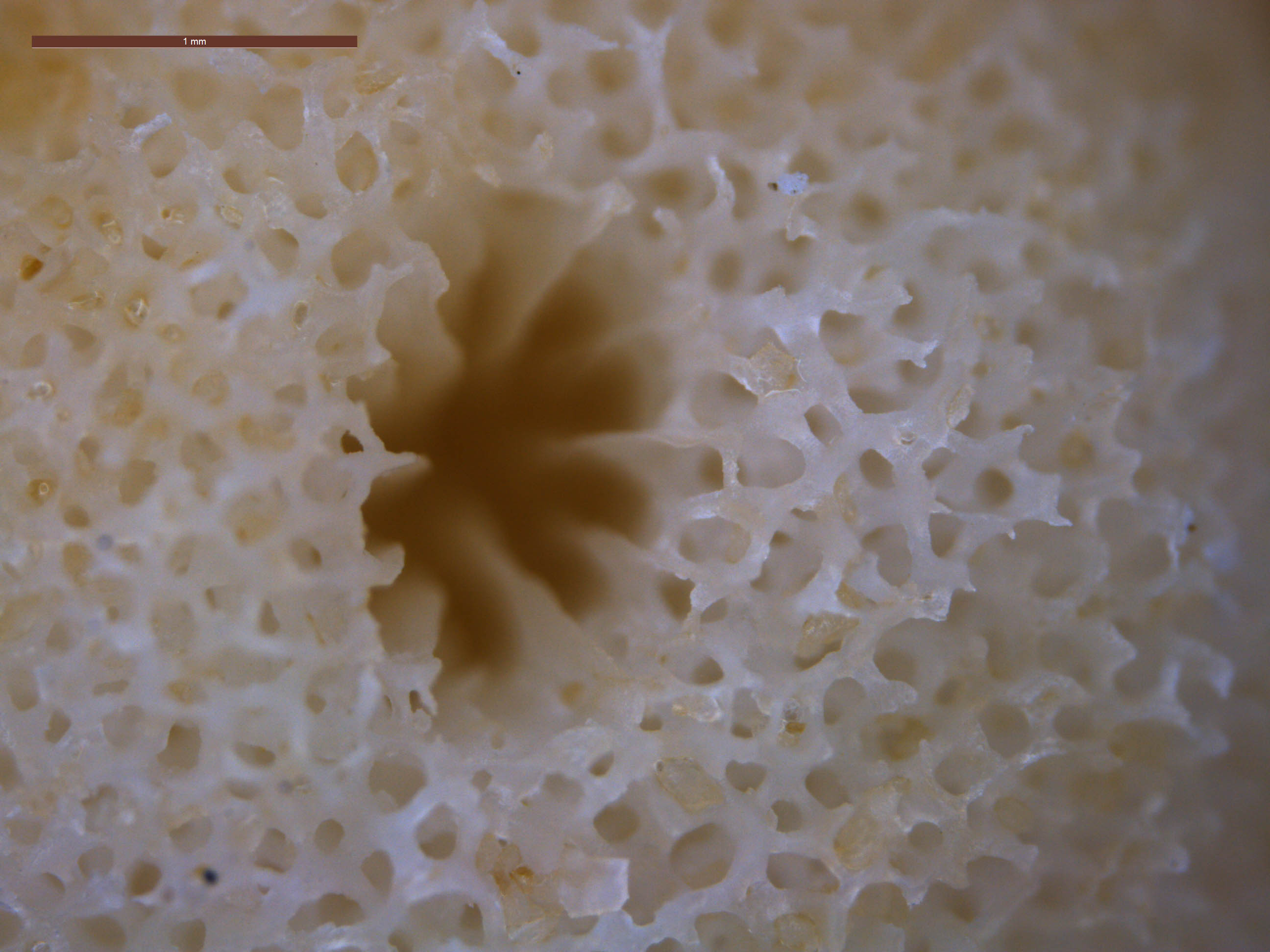
A genomic re-examination of one of the Great Barrier Reef's most important coral groups has restored species status to a dozen corals that taxonomists had spent decades treating as duplicates of other, more common species. The study, published this week in Invertebrate Systematics, concludes that the true diversity of reef-building Acropora corals along Australia's east coast has been substantially undercounted, with implications for how conservation resources and extinction-risk ratings are assigned across the reef.
The paper, led by Augustine Crosbie of James Cook University and the Queensland Museum, re-examined 53 named Acropora species whose original type specimens were collected along the eastern Australian coastline, many of them during the 19th and early 20th centuries. Using a technique the authors call topotype-anchored phylogenomics, the team sequenced ultraconserved genetic elements and exonic DNA from 369 coral specimens, then matched the genetic signatures to modern corals collected at the same reef locations where the historical "type" specimens were first gathered.
What the genetic data showed
Of the 53 nominal species reassessed, 47 were supported by both genetic and physical evidence as distinct. Twelve of those had previously been folded into the names of other, more widespread species — a taxonomic practice known as synonymy — and are now restored to full species status. Four additional corals whose identities had long been unresolved were confirmed as valid species, one coral was given a new name, Acropora crosslandi, to replace an invalid older label, and a separate species, A. cardenae, was folded into another, A. tenella, after the analysis found no genetic basis for treating them separately.
The work was carried out with specimens and sequencing support from Queensland Museum's CoralBank project, which has been building a genomic reference library of Australian corals, and involved researchers from institutions in Australia, the United States, Fiji, Saudi Arabia and elsewhere. Phys.org, which first reported on the findings after James Cook University circulated details of the paper, noted that many of the historical type specimens exist only as bleached, tissue-free skeletons in museum drawers, which cannot be sequenced directly — a problem the topotype method is designed to work around.
Why coral taxonomy keeps changing
Acropora is the largest and, on most reefs, the most architecturally dominant genus of hard coral, forming the branching and plate-like structures that provide habitat for fish and invertebrates across the Indo-Pacific. It is also notoriously difficult to classify by eye, because individual colonies can change shape dramatically depending on wave exposure, depth and light, leading generations of taxonomists to lump genetically distinct populations under a single name — or, less often, to split a single variable species into several. The new paper is the latest in a run of recent revisions applying genomic sequencing to old museum collections; a related framework for pairing modern DNA with historical specimens was described by members of the same research team earlier this year, and a 2025 revision of a separate Acropora group found that what had been treated as three species was in fact at least sixteen.
The pattern across these studies is consistent: species counts for some of the reef's most common coral genera have been underestimated for decades, often because taxonomists relied on skeleton shape alone rather than genetic lineage.
Why the distinction matters for conservation
The practical stakes of sorting out these names are not trivial. A coral officially described as a single, widespread, "common" species can mask the fact that it is really several genetically distinct lineages, each with its own, potentially much smaller range and vulnerability to bleaching, disease or local disturbance — factors used to calculate extinction-risk ratings and set conservation priorities. If distinct lineages are mistakenly pooled under one name, a population in genuine decline can appear to be part of a healthy, widespread species and go unprotected. That concern has sharpened recently: a global assessment of coral extinction risk reported this October, described in coverage from the University of Technology Sydney, found that a large share of the world's reef-building coral species — including many in the Indo-Pacific region that encompasses the Great Barrier Reef — now carry an elevated risk of extinction.
The reanalysis, lead author Augustine Crosbie said, brings "long-overlooked coral diversity back into focus."
Researchers who study reef resilience have separately noted that correctly distinguishing species is central to predicting how corals will respond to warming oceans, since closely related but genetically distinct corals can have very different tolerances to heat stress — a factor that determines which coral populations are most likely to survive future bleaching events and which may need targeted intervention, such as selective breeding or relocation, to persist.
What happens next
The authors say the revised classification will need to be incorporated into future population surveys, reef-monitoring programs and formal extinction-risk assessments for Australian corals, since several of the newly restored species may occupy narrower ranges than the broader species they were previously grouped under. The CoralBank project is continuing to sequence additional specimens from other coral genera and other stretches of the Australian coastline, and the same combination of historical type specimens and modern topotype sequencing is expected to be applied to further taxonomic revisions of Indo-Pacific corals in the coming years. No formal changes to Great Barrier Reef management plans have been announced as a result of this particular paper, and the authors' immediate recommendation is that the twelve restored species and four newly resolved ones now be incorporated into taxonomic reference databases used by reef scientists and conservation agencies.
Europe's Hera Probe Sends Back First Close-Up Images of Asteroid DART Deliberately Struck

Thousands of tiny animals found living inside deep-sea mining's target rocks

Scientists May Have Solved the 40-Year Mystery Behind Uranus and Neptune's Lopsided Magnetic Fields