NASA, SpaceX launch Crew-13 to space station after three-week delay
A Falcon 9 carrying four astronauts lifted off from Cape Canaveral on Thursday, three weeks after a propellant leak grounded the mission, kicking off a roughly seven-month stay aboard the International Space Station.

A SpaceX Falcon 9 rocket carrying four astronauts bound for the International Space Station lifted off Thursday morning, after mission managers cleared the flight following a three-week delay caused by a propellant leak in the Dragon capsule.
The Crew-13 mission launched at 11:10 a.m. EDT from Space Launch Complex 40 at Cape Canaveral Space Force Station, following a "go" decision from NASA and SpaceX after Wednesday's Launch Readiness Review. Forecasters had put the odds of favorable weather at just 55% ahead of the flight.
A veteran spacecraft, a four-person crew
Commanding the mission is NASA astronaut Jessica Watkins, joined by pilot Luke Delaney, also of NASA; Joshua Kutryk of the Canadian Space Agency; and Roscosmos cosmonaut Sergey Teteryatnikov, serving as mission specialist. The four are expected to dock at the space station's Harmony module roughly nine hours after launch, where they will spend about seven months conducting research before handing the station over to a future crew, according to Fox 35 Orlando.
The Dragon capsule flying this mission is a repeat flier, having previously carried NASA's Crew-4 mission to orbit — making Thursday's launch its second trip carrying astronauts.
Crew-13 was originally scheduled to launch Sept. 12, but NASA and SpaceX stood down after engineers discovered an oxidizer leak in the Dragon capsule's propulsion system during standard prelaunch processing. Teams replaced the affected oxidizer valve and spent the following weeks retesting the spacecraft before clearing it for an early-October attempt.
Keeping the station staffed
The mission is the latest in NASA's long-running rotation of crews to the orbiting laboratory, which has hosted a continuous human presence for more than two decades. Watkins, a geologist who previously flew to the station on NASA's Crew-4 mission, returns to orbit as commander for the first time. Her crewmates round out a mission that continues the station's international partnership among the U.S., Canada and Russia even as geopolitical tensions between Washington and Moscow persist on the ground.
Once aboard, the Crew-13 astronauts will join the station's existing crew for a short handover period before the outgoing team returns to Earth, continuing the steady cadence of rotations that keeps the roughly 25-year-old laboratory staffed for its ongoing research program in biology, materials science and Earth observation.
NASA plans to provide live coverage of the docking later Thursday, with the agency's Commercial Crew Program blog continuing to post updates on the mission as it progresses toward the station.

Squid bodies hide hundreds more hair cells than scientists knew, study finds
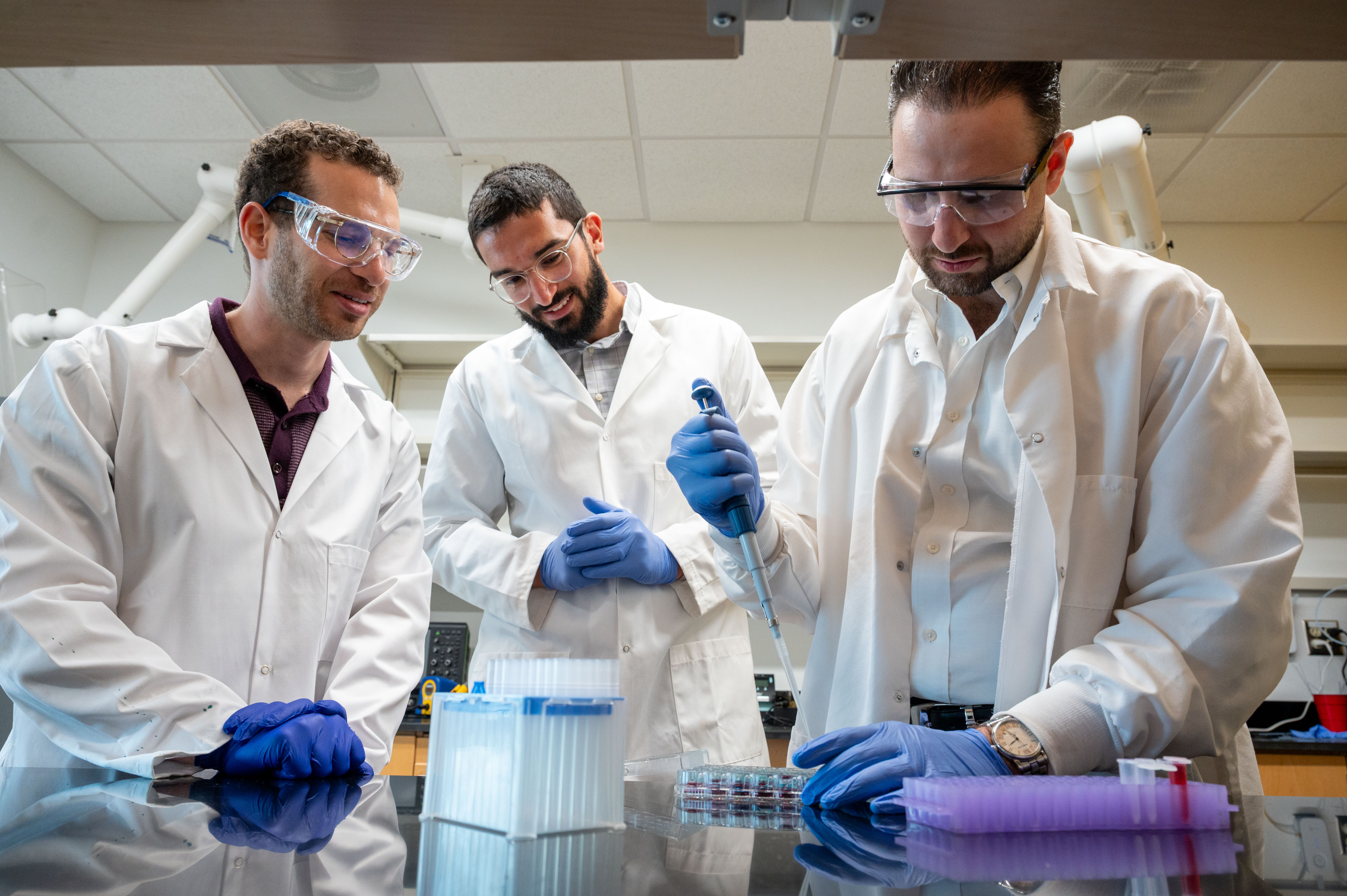
Gut-targeted delivery could offer a needle-free path for mRNA vaccines and GLP-1 drugs

Long space missions linked to higher hip fracture risk in astronauts, study finds
