Psilocybin prevented chemotherapy-linked nerve damage in mice, study finds
Two doses of the psychedelic compound protected mice from a debilitating, often-permanent side effect of common chemotherapy drugs without blunting the treatment's ability to shrink tumors, researchers reported in Science.
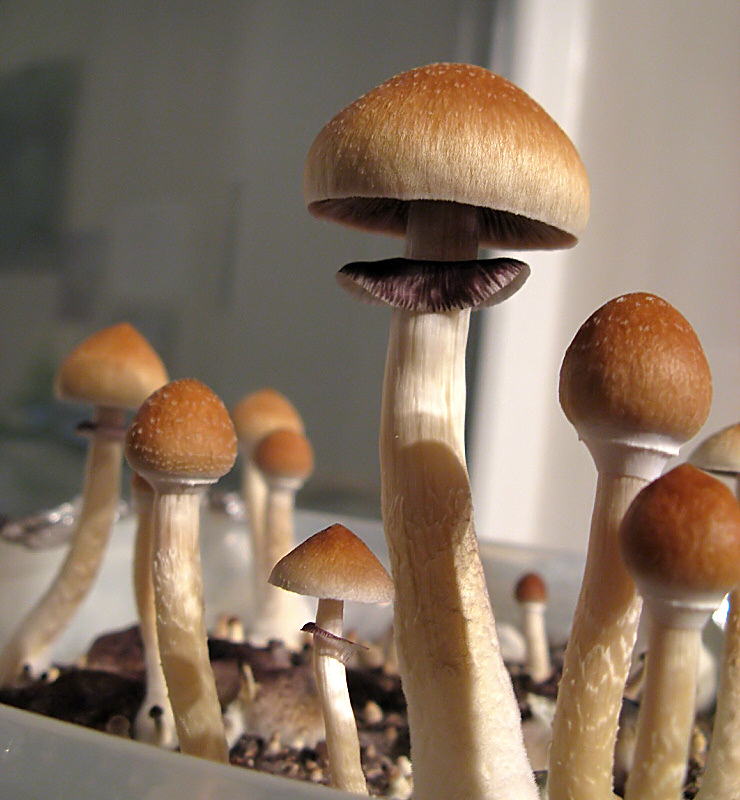
Two doses of psilocybin, the psychoactive compound in "magic mushrooms," prevented nerve damage from chemotherapy in mice, according to a study published Wednesday in the journal Science by researchers at the University of Texas MD Anderson Cancer Center. The animals kept normal sensation in their paws through as many as six cycles of platinum- and taxane-based chemotherapy, while the drugs' ability to shrink tumors was unaffected.
The condition the researchers targeted, chemotherapy-induced peripheral neuropathy, or CIPN, afflicts up to 60 percent of patients treated with platinum-based drugs such as cisplatin, and with taxanes such as paclitaxel and docetaxel, according to the MD Anderson news release. Symptoms include numbness, burning pain and heightened sensitivity to cold in the hands and feet. The damage is often permanent, has no approved prevention, and is a leading reason oncologists reduce or stop chemotherapy before a full course is complete.
What the study found
The MD Anderson team, co-led by head and neck surgeon Moran Amit and pain-medicine researcher Patrick Dougherty, gave mice two doses of psilocybin before rounds of chemotherapy. The pretreated animals did not develop the cold hypersensitivity, loss of touch sensation or degeneration of sensory nerve endings that untreated mice developed, and the protection held up across repeated treatment cycles rather than fading after a single round.
Working out from that result, the researchers traced the mechanism to mitochondria, the structures that supply energy to cells. Chemotherapy drugs damage microtubules, the scaffolding that ferries mitochondria down the long fibers of sensory neurons; when that transport system breaks down, the nerve endings starve of energy and degrade. Psilocybin, acting through the same serotonin 5-HT2A receptor it engages in the brain, kept mitochondria moving along those fibers even as chemotherapy was administered, according to the researchers' account of the mechanism. A related, non-hallucinogenic compound called tabernanthalog produced a similar protective effect in the experiments, evidence that a psychedelic "trip" may not be necessary to get the nerve-protecting benefit — a distinction that matters for a treatment meant to be given alongside infusion-chair chemotherapy rather than in a supervised psychiatric setting.
The researchers also tested whether protecting nerves came at the cost of protecting tumors, a standing worry with any drug given alongside chemotherapy. In the mice, it did not: tumors in animals that received psilocybin shrank at the same rate as tumors in animals that received chemotherapy alone, according to the MD Anderson summary of the findings. That result, if it holds in later stages of testing, would distinguish the compound from some other proposed neuroprotectants, which have raised concern in the field that shielding nerve cells from chemotherapy's toxic effects might also shield cancer cells.
How researchers got here
Psilocybin has drawn scientific attention over the past decade mostly for its effects on the brain, in trials for depression, anxiety and addiction that generally require a supervised dosing session lasting several hours. Those trials have driven a broader wave of psychedelic-medicine research; separately, University of Reading scientists reported in May that a single psilocybin dose made the nerve-pain drug gabapentin more effective for days afterward in mice that already had nerve damage. The MD Anderson study points the compound toward a different target altogether: the peripheral nervous system, outside the brain, and prevention rather than treatment. Existing neuropathy drugs such as gabapentin and duloxetine dull pain signals after damage has already occurred; they do not stop nerves from degenerating in the first place, and oncology guidelines have long noted the scarcity of agents proven to prevent CIPN at all. Once nerve fibers die back, the damage is frequently permanent, which is why oncologists often face a choice between reducing a chemotherapy dose enough to spare a patient's hands and feet, or maintaining the dose that gives the best chance of killing the tumor.
The work was funded in part by the National Institutes of Health and the National Cancer Institute, along with a Stiefel Family Discovery Award, an H-E-B Professorship in Cancer Research, and a Department of Defense Idea Development Award.
"There is an urgent need for treatments that prevent nerve injury without interfering with lifesaving chemotherapy," said Moran Amit, a surgical oncologist at MD Anderson and co-senior author of the study.
Reaction from outside researchers
Independent scientists described the approach, detailed in the researchers' study of psilocybin's effect on chemotherapy-damaged nerves, as unexpected. Joe Cichon, a neuroanesthesiologist at the University of Pennsylvania who was not involved in the research, called the prevention strategy "a clever treatment approach" and said he "wouldn't have expected psilocybin to regulate mitochondrial movement," according to an account in Nature's news coverage of the paper. Maria Maiarú, a pain researcher at the University of Reading, told the same publication that the study reframes CIPN "not simply as an inevitable consequence of neuronal injury but as a failure of resilience." Dougherty, the study's other co-senior author, said the findings show psilocybin "does more than reduce pain signals," protecting the nerves themselves "through energy delivery."
Cancer patients on platinum or taxane regimens, along with the oncologists and pain specialists who manage them, stand to be most directly affected if the finding holds up in humans. Ovarian, lung, breast, colorectal and head-and-neck cancers are commonly treated with the chemotherapy classes tested in the study, and clinicians in those fields have long lacked a way to head off nerve damage before it starts rather than treating it after the fact. Thomas Strouse, a UCLA professor of clinical psychiatry who studies neuropathic pain and was not involved in the research, called chemotherapy-induced nerve damage "a big deal, big problem" for cancer survivors, many of whom live with numbness or pain in their hands and feet for years after their treatment has ended, long after the cancer itself is no longer the primary concern.
What happens next
The mouse results are now the basis for a human trial. MD Anderson is preparing to launch a Phase 2 study, registered on ClinicalTrials.gov as NeuroGuard (NCT07227909), that will give psilocybin to patients undergoing chemotherapy for multiple cancer types, including colorectal, breast and head-and-neck tumors, to see whether the neuroprotective effect seen in mice translates into fewer or milder cases of neuropathy in people. Scientific American reported the trial is expected to open within about a month of the paper's publication.
Researchers caution that mouse data does not guarantee a human benefit, and that peripheral nerves in mice are considerably shorter than the nerves running the length of a human arm or leg, which could make the transport problem the drug is meant to fix more difficult to solve in patients. Psilocybin also remains a Schedule I substance in the United States outside of clinical research settings, which will shape how any eventual treatment is manufactured, dosed and regulated even if the trial succeeds. The tabernanthalog result, showing a non-hallucinogenic compound can produce a similar effect, suggests one path around that regulatory hurdle, should later research bear it out.