Russian missile strike on Kyiv rail depot kills seven as barrage hits capital for sixth straight night
A ballistic missile strike on a Kyiv railway depot killed seven people, six of them rail workers, as a night-long barrage of drones and missiles on Ukraine's capital left at least 12 dead overall on the first day of the school year.

A Russian ballistic missile struck a railway depot in Kyiv before dawn on Tuesday, killing seven people and destroying a maintenance workshop, as the Ukrainian capital endured its sixth consecutive night of large-scale missile and drone attacks. The strike on the depot, which killed six employees of the state rail operator Ukrzaliznytsia, was part of a broader overnight barrage that Ukrainian officials said killed at least 12 people and wounded more than a dozen others across the city and surrounding region.
The attack began Monday evening and continued into Tuesday morning, coinciding with the first day of Ukraine's school year. President Volodymyr Zelensky was visiting a rebuilt school in the Kyiv region to mark the occasion when an air raid alert forced him and the children into a shelter. "Even among any enemies, there is an understanding that children are children," Zelensky said afterward, adding that Russia "makes children participants in war."
The toll
Kyiv's city military administration reported eight deaths within the capital, concentrated in the Darnytskyi and Holosiivskyi districts, with three more people killed in the surrounding Kyiv region, including in the commuter town of Boryspil. Zelensky said the dead included an Indian national. Ukrzaliznytsia chairman Oleksandr Pertsovskyi said the ballistic strike on the depot "claimed the lives of seven people, six of whom were our employees," with one additional colleague hospitalized. He said dozens of workers had reached shelter in time and that one workshop at the site was completely destroyed, with fire crews still extinguishing blazes hours after the strike.
Ukraine's air force said Russia fired a mix of ballistic and cruise missiles alongside roughly 220 drones, about a third of them the newer jet-powered variant that flies faster and is harder to intercept. Air defenses said they shot down or jammed 199 of the aerial targets, including five ballistic missiles and 187 drones, though falling debris from intercepted weapons caused damage at ten additional sites. In the southern Odesa region, strikes damaged energy and port-adjacent export infrastructure and a ferry crossing point on the Romanian border at Orlivka, leaving tens of thousands of households temporarily without power, according to Ukrainian officials and the regional utility DTEK, which reported widespread outages after the bombardment.
How we got here
Tuesday's barrage extended a run of nightly attacks on Kyiv that Ukrainian officials and independent monitors describe as unprecedented in the more than four and a half years since Russia's full-scale invasion began in February 2022. Moscow has intensified long-range strikes on Ukrainian cities through the summer even as diplomatic efforts to end the war have stalled; US-brokered talks have made little visible progress in recent weeks, and the Kremlin has not moved from its maximalist territorial and political demands.
The pattern shows up starkly in the casualty data compiled by the United Nations Human Rights Monitoring Mission in Ukraine. The mission's most recent monthly report found that July was the deadliest month for Ukrainian civilians since March 2022, with 437 people killed and 2,610 injured, a 30 percent rise from June and a 70 percent increase over July 2025. Russia fired 429 missiles that month, roughly double June's total. Across the first seven months of 2026, the mission verified 1,839 civilians killed and 10,638 injured, a 44 percent increase over the same period last year.
"Every month this year the number of killed and injured civilians has increased. That trend accelerated sharply in July," said Danielle Bell, head of the UN Human Rights Monitoring Mission in Ukraine.
Since the war began, the mission has documented nearly 17,000 confirmed civilian deaths, a figure widely regarded as an undercount given the difficulty of verifying casualties in active combat zones and occupied territory.
Who is affected
The immediate toll fell heaviest on the railway workers caught at the Kyiv depot and on residents of the capital's Darnytskyi and Solomianskyi districts, where apartment buildings and a service station were damaged and dozens of people were evacuated from wreckage. Two people were pulled alive from rubble, according to local reports. Kyiv's rail network, a critical artery for both passenger travel and military logistics, saw train traffic suspended on two lines before service was restored later Tuesday. In Odesa, the strikes on energy infrastructure added to a summer of repeated attacks on Ukraine's power grid and Black Sea export routes, compounding hardship for a population already coping with rolling blackouts.
Reaction
Zelensky, writing after the attack, said Russia "always calculates its strikes to cause as much destruction to people's lives as possible" and renewed his appeal for Western allies to supply more air-defense systems before autumn, when Russia has historically escalated strikes on energy infrastructure as temperatures drop. Ukraine's foreign ministry has repeatedly characterized the strike pattern as deliberate targeting of civilians rather than incidental damage from strikes on military targets.
The attack landed as European Union defense ministers gathered for a previously scheduled informal meeting in Wicklow, Ireland, hosted by the Irish presidency of the Council of the EU. The first working session on Tuesday was dedicated to EU support for Ukraine, with Ukraine's acting defense minister, Andrii Khmara, and NATO Deputy Secretary General Radmila Shekerinska joining ministers alongside the bloc's foreign policy chief, Kaja Kallas. Ireland's defense minister, Helen McEntee, said the country would channel further funds toward training programs for Ukrainian forces as part of a wider EU support package.
What happens next
Ukrainian officials say they expect the current run of nightly strikes on Kyiv to continue, with air force spokesmen warning residents that the threat of further ballistic missile and drone attacks "remains in effect." The EU talks in Ireland are expected to feed into a broader push among European governments to accelerate deliveries of Patriot interceptors and other air-defense systems ahead of the winter heating season, when Russian strikes on the power grid have caused the most sustained hardship in previous years. Rescue and repair operations in Kyiv were ongoing Tuesday, with authorities still assessing damage across the affected districts and Ukrzaliznytsia working to fully restore rail service through the capital.
.jpg?width=1200)
Kenya confirms third Ebola case, patient already in quarantine
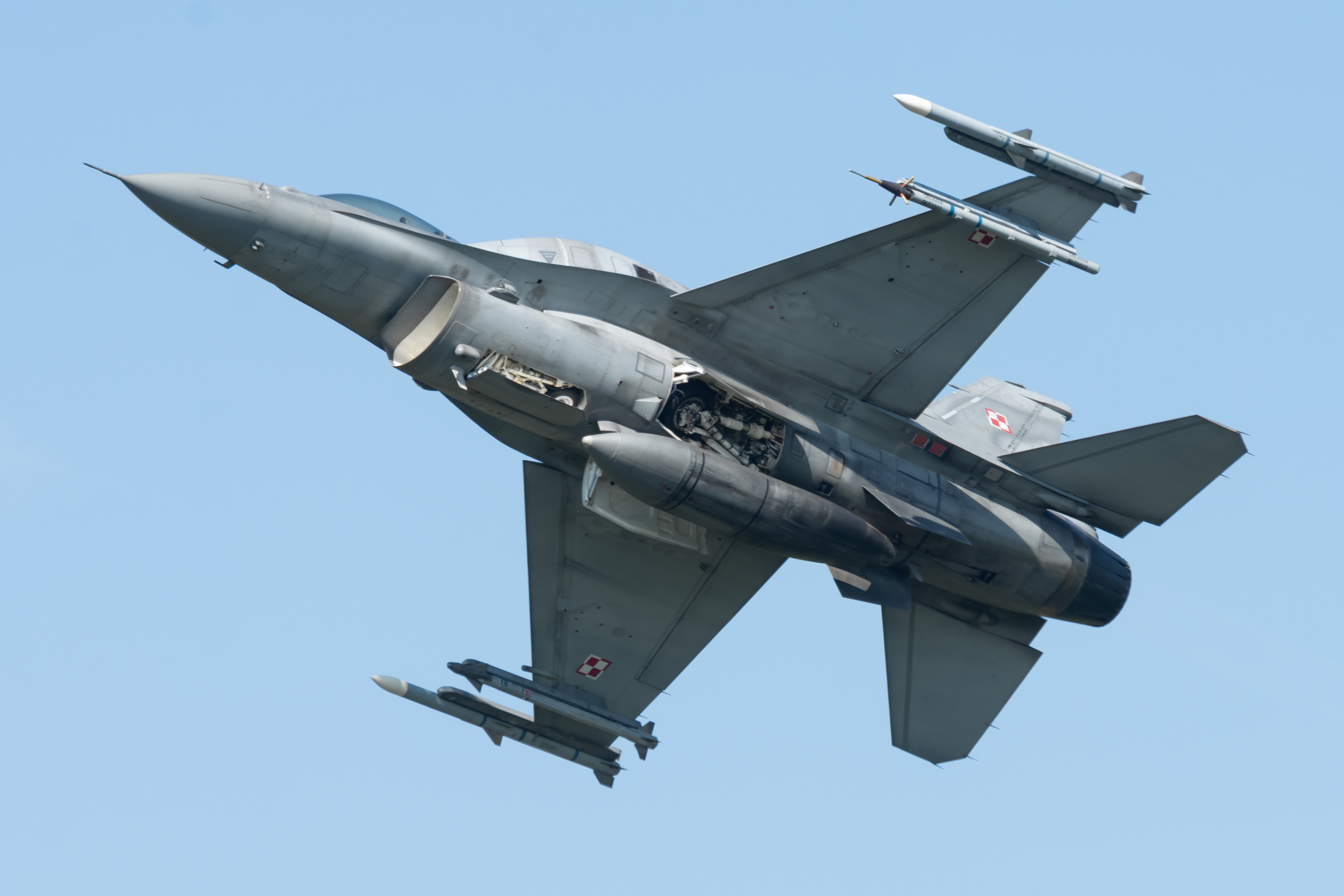
Russia Pounds Ukraine's Grid Overnight, Poland Scrambles Jets Near Border

Myanmar's Coup Leader, Now President, Wins Back Southeast Asian Neighbours
