US and Iran exchange fire near Strait of Hormuz after month-long lull
American strikes on Iranian rocket launchers preparing to mine the Strait of Hormuz drew retaliatory attacks on US-linked bases in Jordan and the United Arab Emirates.
The United States and Iran exchanged fire overnight Sunday for the first time in more than a month, reigniting a conflict that has repeatedly defied predictions of a quick end since fighting first broke out earlier this year.
US forces struck two Islamic Revolutionary Guard Corps rocket launchers on Iran's Larak Island in the Strait of Hormuz, after intelligence indicated the IRGC was preparing to fire rockets carrying sea mines into the shipping lane, according to US Central Command. A CENTCOM spokesperson described the strike as "limited and precise," saying it was intended to keep Iranian forces from laying more mines in the strait and was "not an act of aggression," according to reporting by NPR.
Iran's Revolutionary Guard said it retaliated hours later with missile and drone attacks on two US-linked bases in Jordan, King Hussein Air Base and Al-Azraq Air Base, as well as a strike on a base hosting American personnel in the United Arab Emirates. Iranian state media reported casualties on Larak Island without providing a specific figure, while Al Jazeera reported that Iran's Revolutionary Guards separately shot down a US MQ-9 surveillance drone over the strait with air-defense missiles.
The Strait of Hormuz is one of the world's most important oil chokepoints, carrying roughly a fifth of global petroleum shipments, and Iran has periodically threatened to close or mine it since the war began. Monday's exchange was the first known US strike on Iranian territory since late July, and it briefly rattled financial markets: US stock indexes slipped and oil prices climbed on the news, with traders citing renewed concern that a wider disruption to Gulf shipping could feed back into inflation.
The flare-up came as President Trump has publicly insisted the conflict would be short-lived, a prediction that has now been overtaken by events multiple times. CNN reported that the administration is weighing further limited strikes on Iranian military assets near the strait if Tehran continues attempting to threaten shipping lanes, even as officials in Washington and Tehran have both signaled they want to avoid a full-scale war.
Neither side has indicated the latest exchange has ended. Shipping insurers and commercial operators in the Gulf were monitoring the situation closely Monday, with several charterers reportedly rerouting tankers to avoid the strait's narrowest passage until the security picture becomes clearer.
The exchange marks the latest turn in a conflict that began earlier this year and that Trump had repeatedly predicted would be resolved quickly through a combination of military pressure and diplomacy. Instead, fighting has flared intermittently for months, with each side periodically pulling back before a fresh incident restarts hostilities. Gulf allies including the UAE and Jordan, both targeted in Sunday's retaliatory strikes, have publicly urged de-escalation while continuing to host American forces, a balancing act that has grown more difficult with each new round of attacks. The renewed fighting came as Treasury Secretary Scott Bessent pursues a parallel economic campaign, telling reporters over the weekend that Washington plans to roll out new secondary sanctions against Iran-linked financial institutions "every week" and that he believes sustained pressure could push Iran's economy toward collapse within months, a timeline officials hope will force Tehran back to the negotiating table even as strikes continue.
.jpg?width=1200)
Kenya confirms third Ebola case, patient already in quarantine
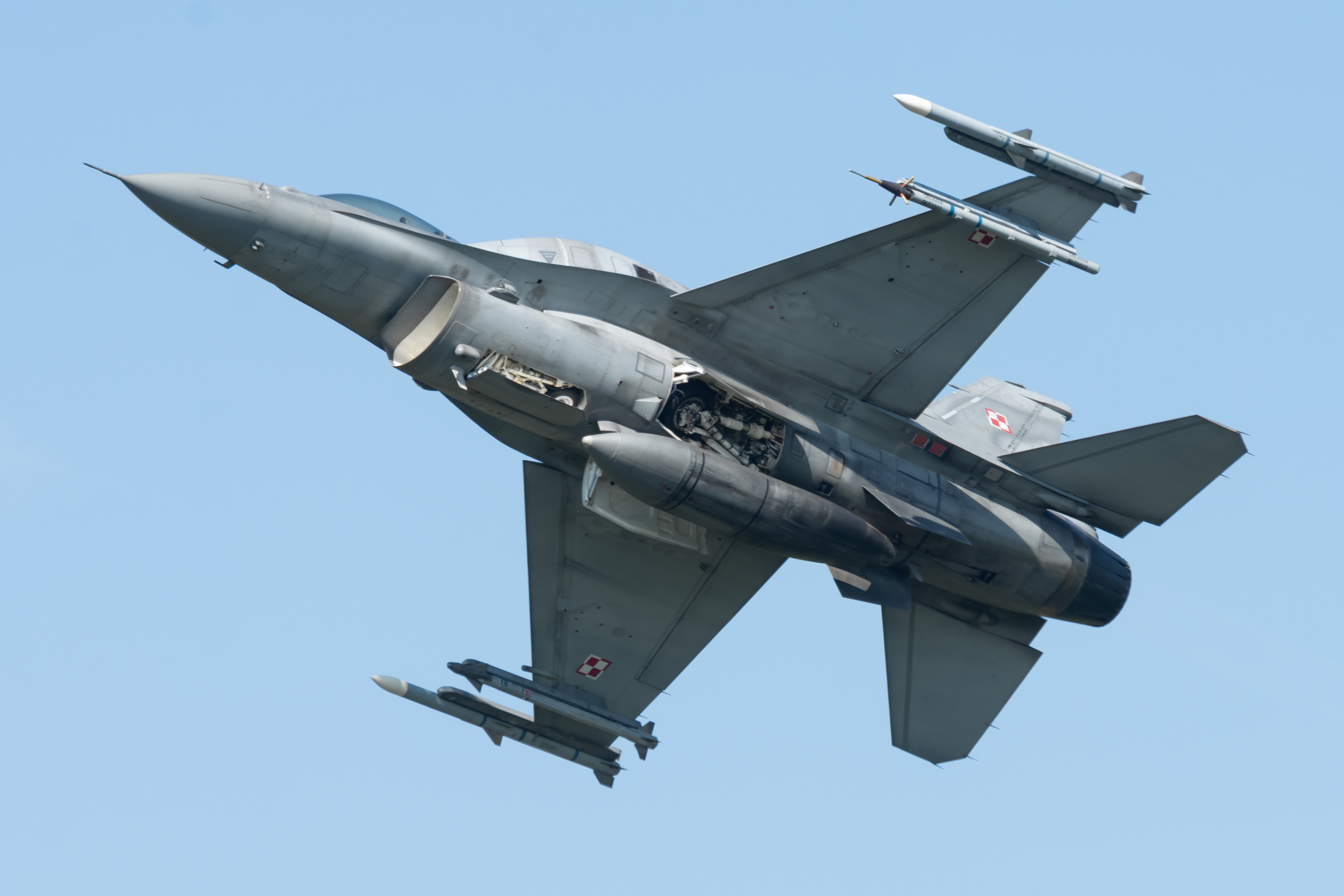
Russia Pounds Ukraine's Grid Overnight, Poland Scrambles Jets Near Border

Myanmar's Coup Leader, Now President, Wins Back Southeast Asian Neighbours
