FTC and CMS warn of Medicare scams as Open Enrollment nears, hold public roundtable
Days before Medicare's Oct. 15 enrollment window opens, the FTC and CMS are holding a public warning campaign on health-insurance scams, citing $3.5 billion in reported impersonation-fraud losses in 2025.
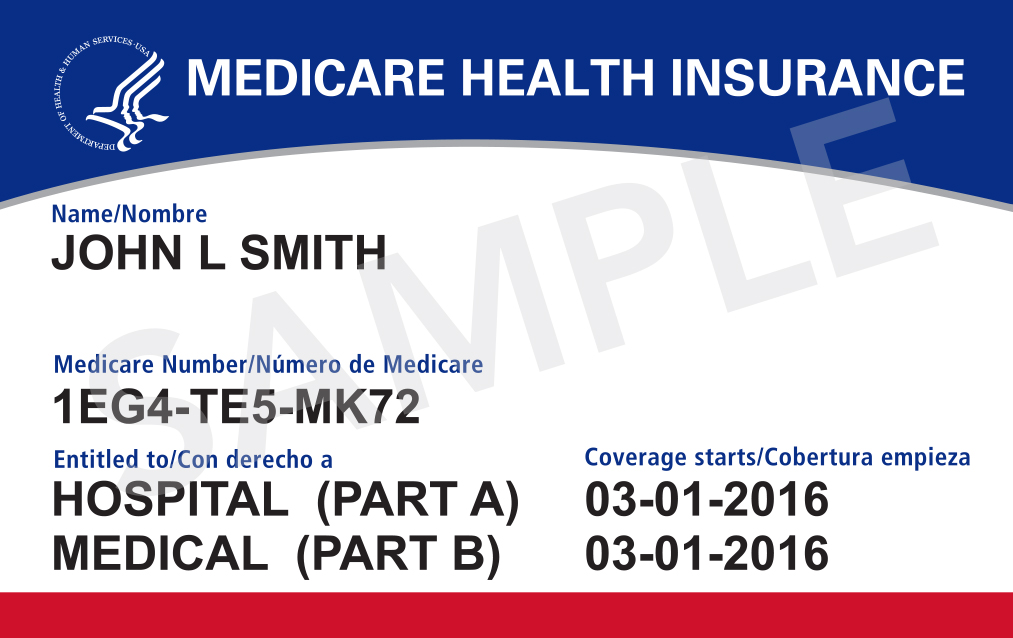
The Federal Trade Commission is holding a public warning campaign this week aimed at Medicare and health-insurance scams, timed to land just over two weeks before the federal government's annual Medicare enrollment window opens. On September 28, the agency published a consumer alert on fake health-insurance websites and government impersonation, and on September 29 it is convening a virtual roundtable with the Centers for Medicare & Medicaid Services and the Senior Medicare Patrol network to walk through the tactics scammers use every fall.
The timing is deliberate. Medicare's annual Open Enrollment period runs October 15 through December 7, the roughly seven-week stretch when tens of millions of beneficiaries can switch Medicare Advantage plans, change prescription drug coverage or move between Original Medicare and private plans. Federal officials say that window, along with the Affordable Care Act Marketplace's own enrollment season, is also when fraud complaints reliably climb, because a flood of legitimate insurance mail, calls and advertising gives scammers cover to blend in.
The numbers behind the warning
The FTC's push is grounded in newly released fraud data. According to the agency's June 2026 report on 2025 fraud reports, Americans reported losing $3.5 billion to impersonation scams last year, an increase of nearly 20 percent over 2024 and almost triple what was reported in 2020. Imposter scams accounted for roughly one in three fraud reports the FTC received. Within that total, people reported losing about $920 million to scammers posing as government agencies and employees, up from $789 million the year before — a 40 percent jump — while business impersonators, including callers posing as banks, accounted for close to $1 billion in reported losses.
Health coverage has become one of the more common covers for that fraud. The FTC's own enforcement record includes a 2025 case against MediaAlpha over what the agency described as a government impersonation scheme used to sell health insurance, and an April 2026 complaint against Innovative Partners, which the FTC alleges impersonated federal agencies and major insurance carriers to market fake PPO plans. Since the agency's Impersonation Rule took effect in 2024, the FTC says it has brought a dozen enforcement actions under it and returned more than $70 million to consumers.
How scammers exploit enrollment season
The mechanics described in the FTC's September 28 consumer alert are mostly about disguise rather than novelty. Scammers buy paid search-engine ads and build websites with addresses and logos designed to look like Healthcare.gov or Medicare.gov, so that a consumer searching for plan information lands on a lookalike page instead of the real one. From there, victims can be sold coverage that is not actual health insurance, or be talked into handing over Medicare numbers and other personal data that enables medical identity theft. The FTC's advice is basic but specific: type the agency's web address directly into a browser rather than clicking a search ad, watch for "Ad" or "Sponsored" labels next to results, and confirm any government site ends in ".gov" before entering information.
Other tactics reported this season, according to coverage of the run-up to Open Enrollment, include robocalls impersonating Medicare that ask beneficiaries to "verify" their Medicare number, offers of a new plastic or gold Medicare card, and promises of free medical equipment or genetic testing in exchange for personal information. More than 40 health systems have separately warned patients about a "MyChart Medicare Kit" scam circulating by text and email that impersonates hospital patient portals. Legitimate Medicare plan marketing is not even permitted to begin until October 1 under federal marketing rules, meaning anyone pitching a 2027 plan before then is, at minimum, breaking the rules governing licensed agents.
"Impersonation scams — especially when amplified by digital platforms that profit from them — do more than rob Americans of their hard-earned money."
That is Christopher Mufarrige, director of the FTC's Bureau of Consumer Protection, in a September 24 press release in which the agency said it is separately seeking public comment on whether to update its impersonation rule to address the role search and social media platforms play in surfacing scam ads. That release cited FTC data showing nearly a third of imposter-scam victims in 2025 said they were first contacted through social media, accounting for roughly $2.1 billion of the year's losses.
Who's affected, and what officials are urging now
The population at risk is broad: everyone currently on Medicare, plus the smaller pool of people who will shop the ACA Marketplace this winter, with older adults singled out as a particular target because of the volume of legitimate outreach they already receive from real insurers, brokers and CMS itself during this period. One retiree told Scripps News reporters she was fielding more than a dozen Medicare-related calls a day despite being on the national Do Not Call Registry — a pattern regional Senior Medicare Patrol chapters say is typical heading into October.
- Americans reported losing $3.5 billion to imposter scams in 2025, up nearly 20 percent from 2024.
- Government impersonation losses alone totaled about $920 million in 2025, up 40 percent year over year.
- Medicare's Open Enrollment period runs October 15 through December 7, with coverage changes taking effect January 1.
- Legitimate agents and insurers are barred from marketing 2027 Medicare plans before October 1.
Tuesday's roundtable, running 1 to 2 p.m. ET, pairs FTC attorney Matthew Schiltz and consumer education specialist Gema de las Heras with two CMS officials — Dennis Sendros of the agency's Audits and Vulnerabilities Group and Gina Zdanowicz, who directs CMS's Marketplace Plan Management Group — along with Brandy Bauer, who directs the Senior Medicare Patrol and State Health Insurance Assistance Program resource centers. The session is free and open to the public by video or phone, and is explicitly framed around scams that surface "before, during and after" the enrollment window rather than just on its opening day.
Officials are directing consumers who suspect a scam to go straight to Medicare.gov or call 1-800-MEDICARE (1-800-633-4227) rather than any number in an email, text or online ad, and to file complaints at ReportFraud.ftc.gov or through a local State Health Insurance Assistance Program office. With the enrollment window opening in just over two weeks, the FTC and CMS are betting that public warnings issued now, before the marketing blitz legally begins on October 1, will cut into a complaint pattern that has worsened for five straight years.

FDA approves Juvmo, first new class of Parkinson's drug in decades

South Bronx Legionnaires' Cluster Grows to 23 Cases as Source Remains Unconfirmed
Pennsylvania's measles outbreak grows to 890 cases as U.S. total tops 3,600