Experimental Blood Test Catches Early Pancreatic Cancer 87% of the Time
City of Hope researchers say their PANXEON liquid biopsy, validated in nearly 1,800 patients, could help flag one of medicine's hardest cancers to catch early.
An investigational blood test developed by researchers at City of Hope correctly identified early-stage pancreatic cancer in 87% of cases in a large international study, a result oncologists say could eventually help catch one of the deadliest common cancers before it becomes untreatable.
The test, called PANXEON, was evaluated in a prospective study of 1,785 people across sites in the United States, Europe and Asia, with results published this month in Nature Medicine. It measures three biological signals from a single blood draw: circulating microRNAs, microRNAs carried inside exosomes, and a protein called CA19-9 that is already used in some cancer monitoring. An artificial intelligence model combines the three readings into a single risk score, which researchers describe as the first assay to merge those particular biomarkers into one panel.
Sensitivity, false positives and an early-warning signal
In the study, PANXEON detected stage 1 and stage 2 pancreatic ductal adenocarcinoma with 87% sensitivity. Its false-positive rate was about 3% among people at average risk and 16% among those already considered high-risk, such as patients with a strong family history or certain genetic mutations. The test also flagged high-grade dysplasia, a precancerous change in pancreatic tissue sometimes classified as stage 0 disease, in more than 64% of cases, raising the possibility of intervening before a tumor becomes invasive at all.
The underlying validation work draws on City of Hope's Pancreatic Cancer Detection Consortium, a multi-site study registered with the federal government's clinical trials database, which set out to prospectively validate an exosome-based signature for noninvasive, early detection of the disease. Researchers caution that PANXEON remains investigational: it has not received regulatory clearance, would not replace imaging or biopsy, and is being positioned as a way to identify people who need closer monitoring rather than as a stand-alone diagnostic.
The stakes for earlier detection are high. Pancreatic cancer has a five-year relative survival rate of roughly 13%, according to federal cancer registry data maintained by the National Cancer Institute, one of the lowest survival rates of any common malignancy. Most cases are still caught only after the tumor has spread beyond the pancreas, when treatment options narrow sharply. Unlike breast, cervical or colon cancer, pancreatic cancer has no widely recommended screening test for the general population, largely because the organ sits deep in the abdomen and early tumors rarely cause symptoms.
Researchers involved in the project told Scientific American that a validated blood-based screening tool has long been considered a "holy grail" for pancreatic oncology precisely because so few patients are eligible for existing high-risk screening programs, which rely on imaging and are generally reserved for people with known genetic risk factors.
City of Hope researchers say the next step is a larger validation trial aimed at regulatory submission, along with studies testing whether earlier detection through PANXEON translates into longer survival, not just earlier diagnosis. Outside researchers have called the results promising but preliminary, noting that a 16% false-positive rate among high-risk patients would still mean a meaningful number of unnecessary follow-up scans and biopsies if the test were deployed broadly.

Amateur Astronomer's Campsite Search Uncovers 390-Million-Year-Old Crater

Astronomers find earliest known ancestor of a galaxy supercluster
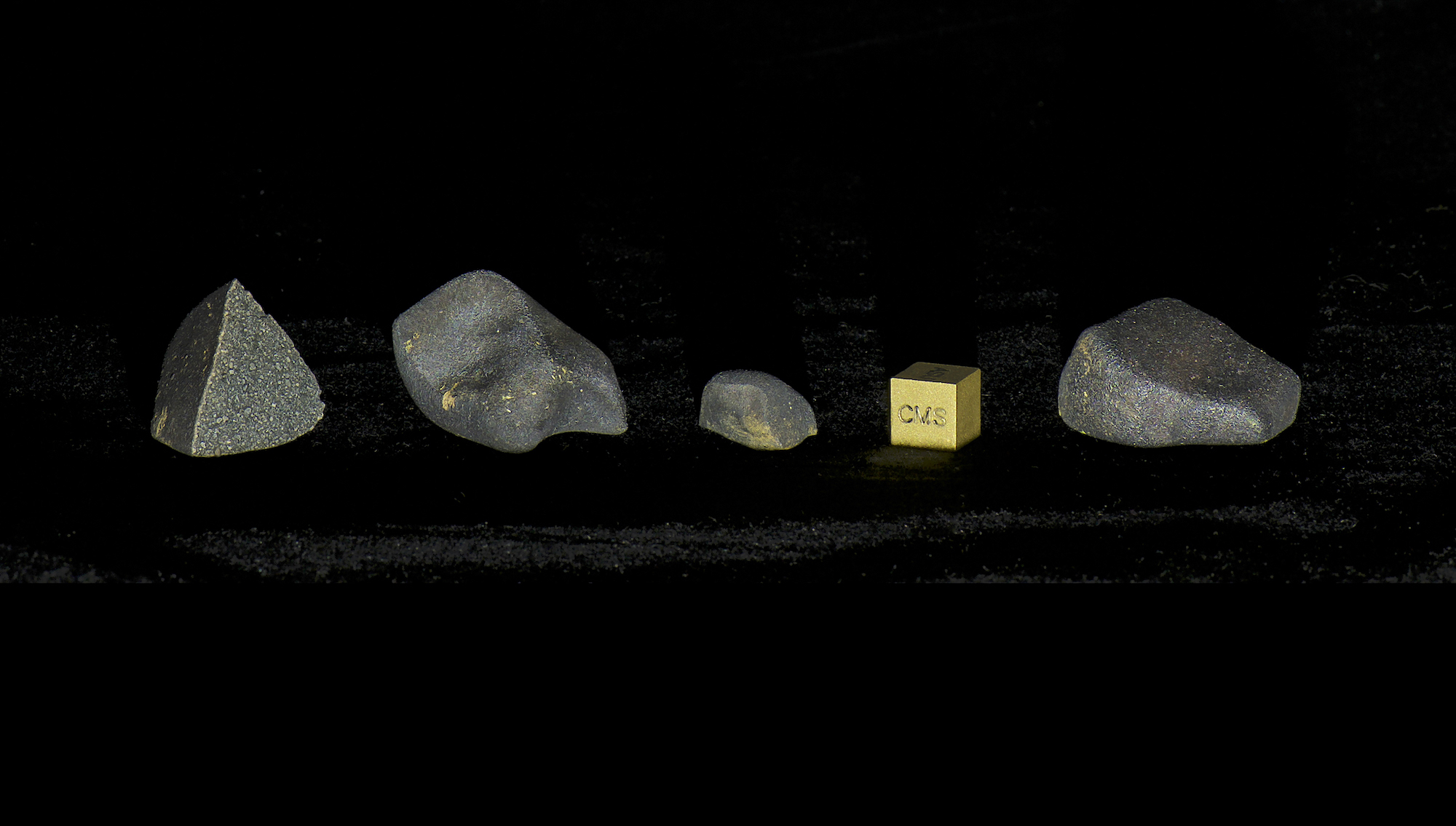
Scientists Find Tens of Thousands of Organic Molecules Packed Inside Two Meteorites
